
6
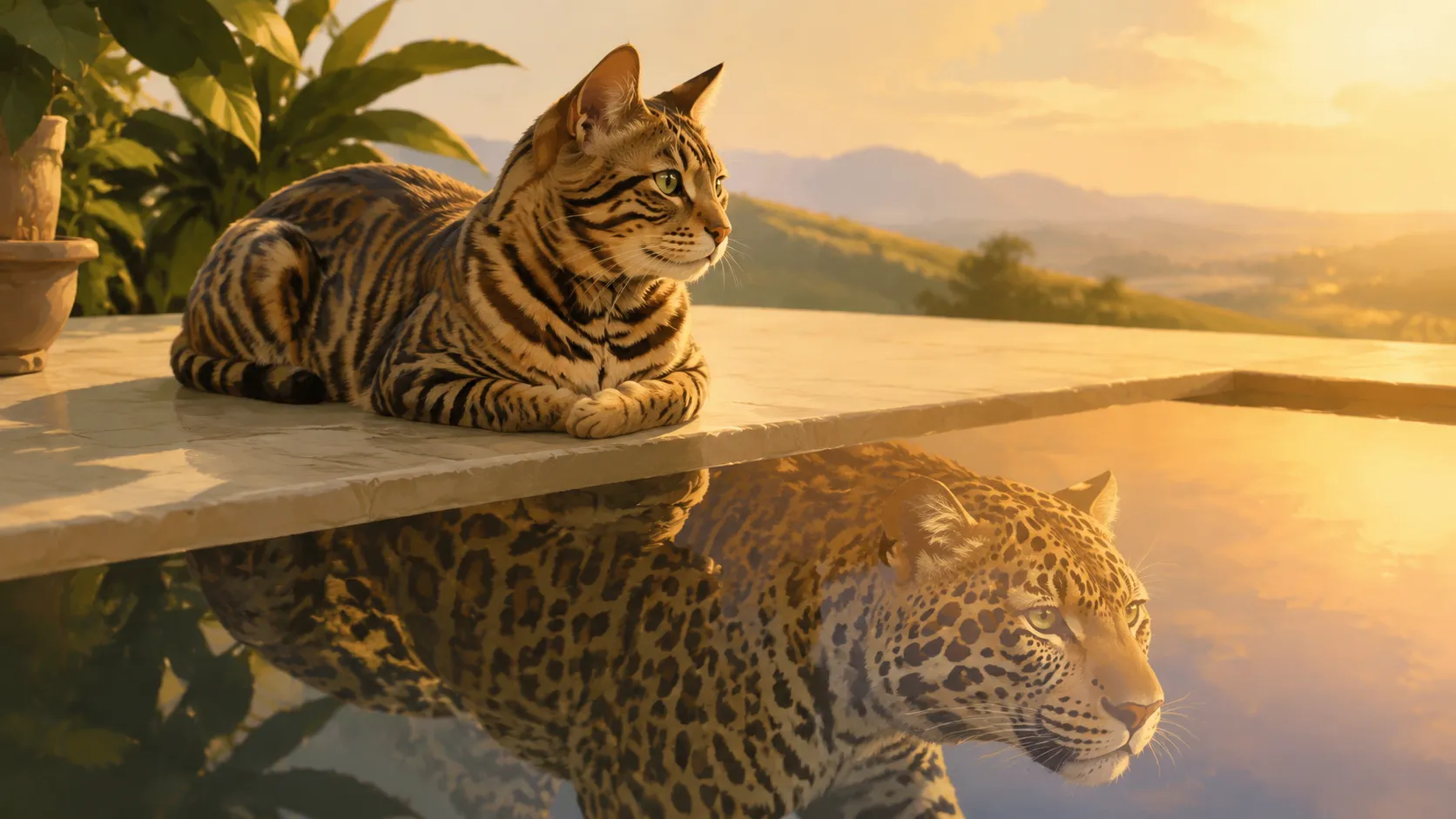
Imagine seeing a cat stretched across your sofa that looks as though it just walked out of a jungle documentary. That instant reaction; “Wait, is that actually a tiny leopard?”; is exactly why wild-looking domestic cats have become incredibly popular. Humans have always been fascinated by powerful predators. Leopards move with elegance, confidence, and mystery, and many cat enthusiasts love the idea of capturing a small piece of that beauty in a pet that still curls up beside them during movie night.
The attraction is not only visual. Exotic-looking cats create a feeling of adventure inside ordinary life. It is similar to owning a sports car parked in a suburban driveway. You may not be racing through mountains, but the experience still creates excitement. People often assume these cats behave like tiny versions of wild animals, yet reality is usually much more interesting. Behind those dramatic spots and intense eyes are personalities ranging from playful clowns to affectionate companions.
Selective breeding has made this possible. Breeders spent decades emphasizing coat patterns, body structures, and facial features that resemble wild felines while maintaining domestic temperaments. Today several breeds carry that striking appearance without turning your living room into a wildlife reserve. Studies and breed organizations continue to identify characteristics that help distinguish these cats from ordinary domestic patterns. Breeds such as Bengals and Savannahs became especially famous for producing the spotted “mini leopard” effect many people search for.
The Features That Create a Leopard-Like Appearance
Distinctive Spots and Rosettes
The most obvious feature behind the leopard illusion is the coat pattern itself. A leopard’s coat contains irregular clusters called rosettes rather than simple dots. Rosettes look like spots surrounding lighter centers. Think of them as nature’s fingerprints; beautifully imperfect and instantly recognizable. Domestic breeds that mimic this pattern create a remarkably similar visual effect.
Athletic Body Structure
A spotted coat alone does not complete the illusion. Body shape matters too. Leopard-like cats often have long muscular frames, broad shoulders, and graceful movements. Their bodies appear ready to spring into action even while relaxing. Strong hind legs, flowing tails, and sleek muscles create that “predator silhouette” people recognize immediately.
Eye Shape and Facial Details
Eyes and facial structure play subtle but powerful roles. Many wild-looking breeds have almond-shaped eyes and strong facial lines that create alert expressions. Larger ears and pronounced cheekbones can add an exotic appearance. Put these features together and you have a cat that seems designed by nature’s own fashion department.
| Feature | Leopard | Leopard-Like Domestic Cats |
|---|---|---|
| Coat Pattern | Rosettes | Rosettes or spots |
| Body Shape | Muscular and lean | Athletic and streamlined |
| Eyes | Almond-shaped | Almond or oval |
| Movement | Fluid and agile | Active and graceful |
Breeds Known for Leopard-Like Markings
Bengal Cats
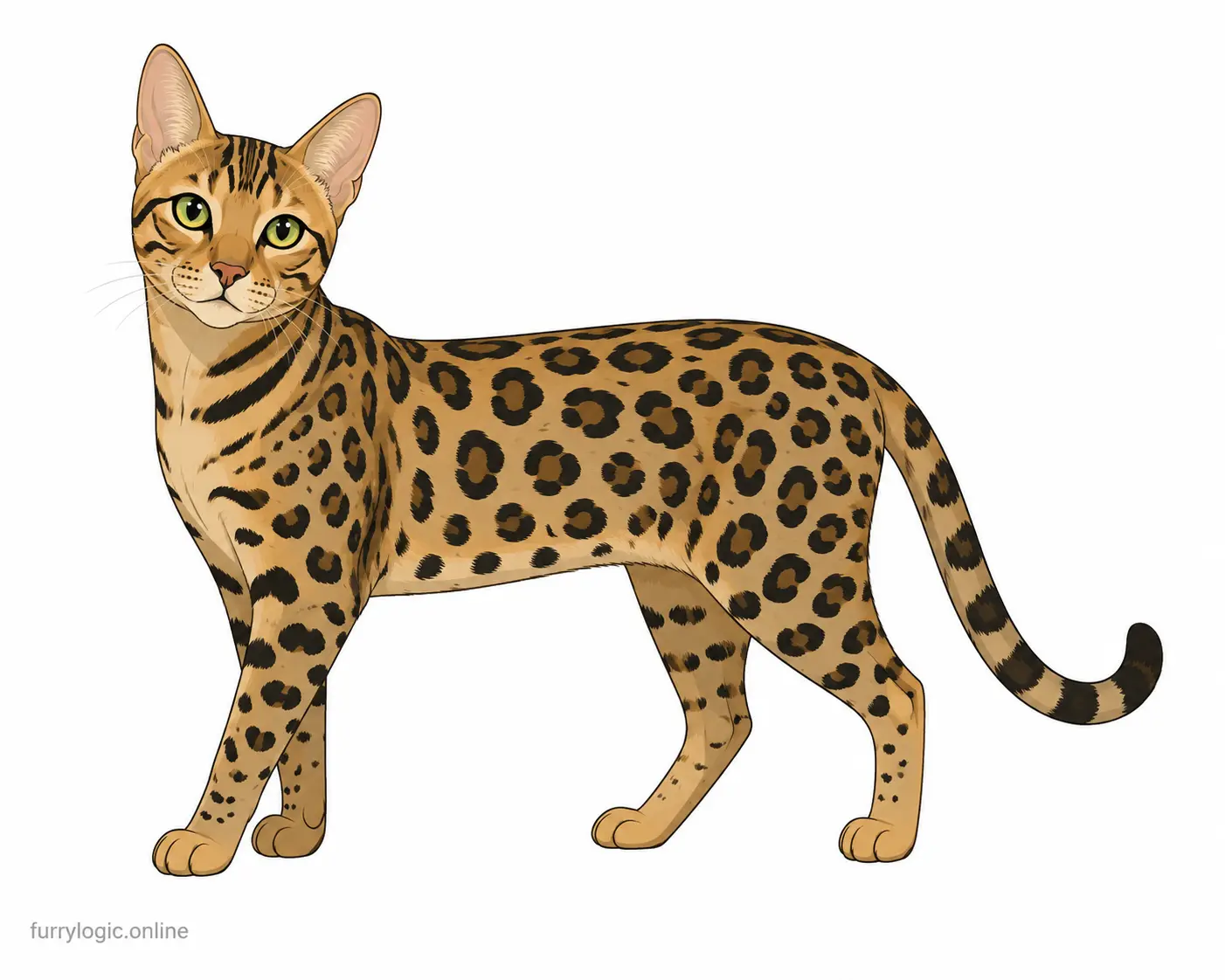
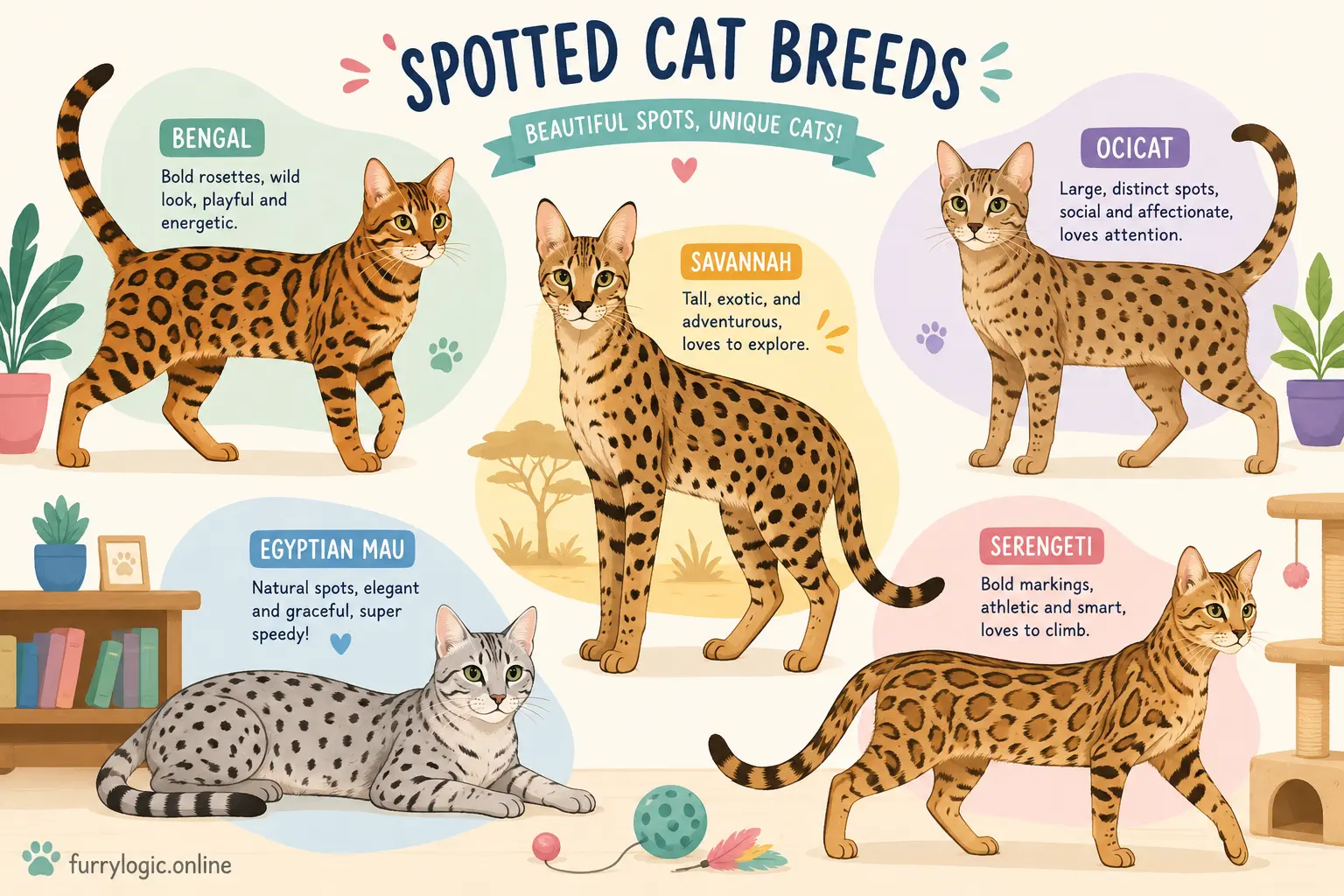
The most famous leopard look-alike is probably the Bengal. Bengals were developed to emphasize dramatic rosettes and athletic bodies. They are known for energy, curiosity, and intelligence. People often compare their movement to miniature jungle cats because they climb, jump, and investigate nearly everything around them. Bengals are especially admired for their distinctive markings and leopard-like appearance.
Ocicat
Ocicat resembles a wild cat despite being fully domestic. The breed was named because of its resemblance to the wild ocelot, although it contains no wild cat DNA. The coat presents attractive spots spread evenly across the body, giving it a naturally exotic look.
Savannah Cat
Savannah Cat combines striking spots with long legs and tall ears. Its silhouette alone often catches attention instantly. The breed is famous for appearing taller and more dramatic than average house cats.
Egyptian Mau
Egyptian Mau carries naturally occurring spots rather than heavily engineered patterns. Many enthusiasts admire this breed because the appearance feels organic and ancient.
Serengeti Cat
Serengeti Cat also deserves attention. Long legs and dramatic markings create a sleek, safari-inspired look.
Coat Patterns and Colors That Stand Out
Rosetted Coats
Rosettes create the strongest leopard resemblance. Their irregular shapes add depth and movement across the coat.
Marbled Patterns
Marbled patterns look like flowing streams of color across fur. Instead of spots, they create swirling artwork. Think of ink dropped into water and frozen in place.
Rare Color Variations
Snow colors, silver shades, charcoal patterns, and golden tones make these cats even more visually dramatic. Certain patterns can appear almost metallic under light, creating a shimmering effect.
Temperament Beyond the Exotic Look
Activity Levels
People often focus entirely on appearance and overlook personality. That can become a surprise. Many spotted breeds have substantial energy levels and crave stimulation. They are often explorers rather than couch decorations.
A leopard coat does not automatically mean a wild personality. Some cats love climbing shelves while others happily spend afternoons sleeping beside their owners. Activity levels vary dramatically between individuals and breeds.
Social Personality Traits
Many exotic-looking breeds are surprisingly people-oriented. Toygers, for example, were specifically bred for companion qualities and are frequently described as affectionate and easygoing.
A cat may look ready to patrol a rainforest but still demand belly rubs and attention. Personality can feel like opening a wrapped gift; you admire the package first, but what matters is what’s inside.
Similarities and Differences From Wild Cats
Physical Resemblance
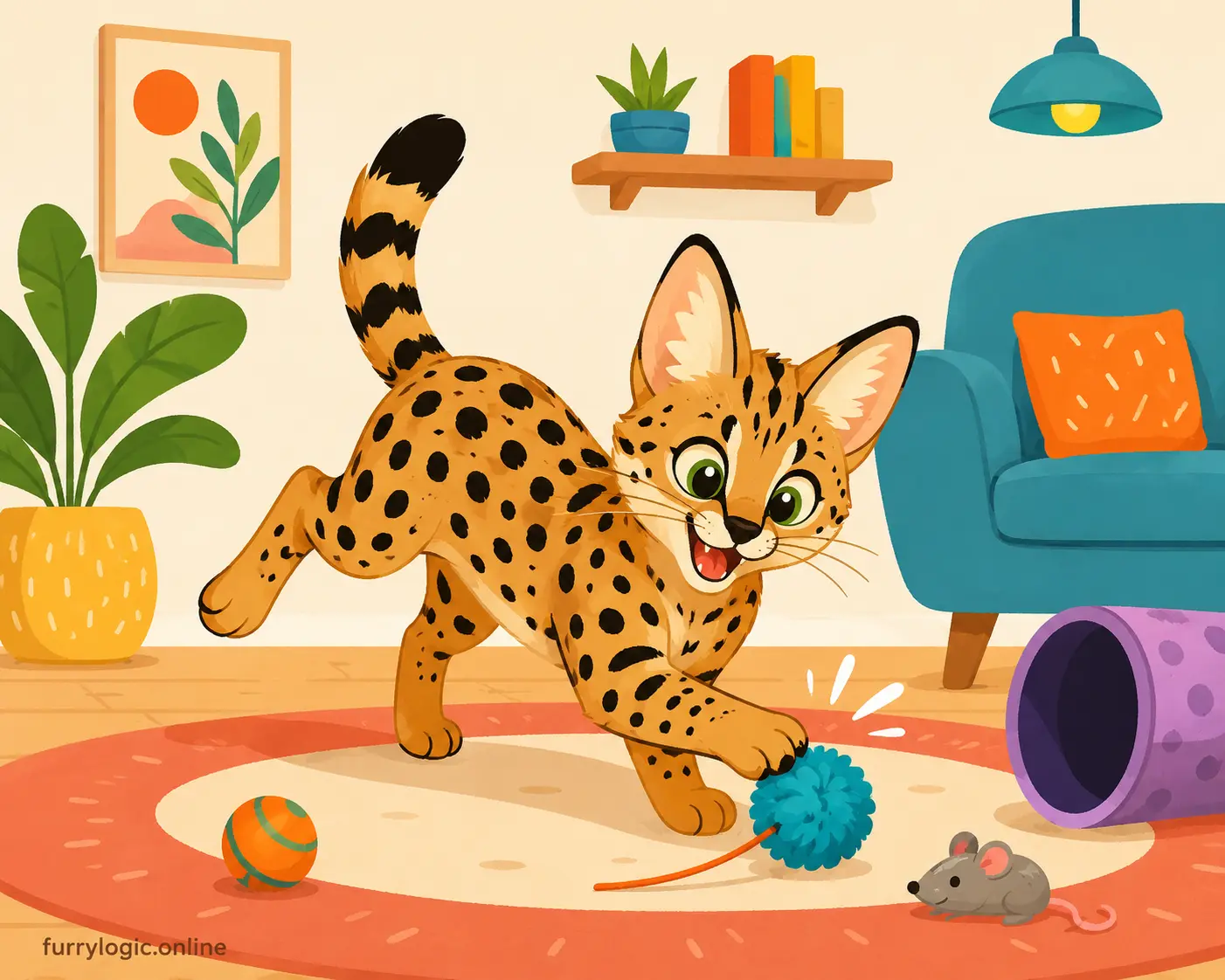
Some domestic cats genuinely resemble wild cats at first glance. Spots, long legs, muscular bodies, and intense expressions create visual similarities that can fool people.
Behavioral Differences
Behavior tells a different story. Leopards survive through hunting skills and territorial instincts. Domestic cats live alongside humans and have adapted socially across thousands of years.
Wild cats usually avoid human interaction or tolerate it only under controlled circumstances. Domestic cats seek companionship, routine, and affection. Appearance may echo the wilderness, but behavior usually belongs firmly inside the home.
Care Considerations for Spotted Breeds
Exercise and Mental Stimulation
Active breeds need exercise that goes beyond a food bowl and soft bed. Puzzle toys, climbing towers, interactive games, and regular play sessions become important parts of daily life.
Without stimulation, boredom can appear quickly. A bored energetic cat can become surprisingly creative; and not always in ways owners appreciate. Scratched furniture and midnight zoomies become common examples.
Diet and Grooming Needs
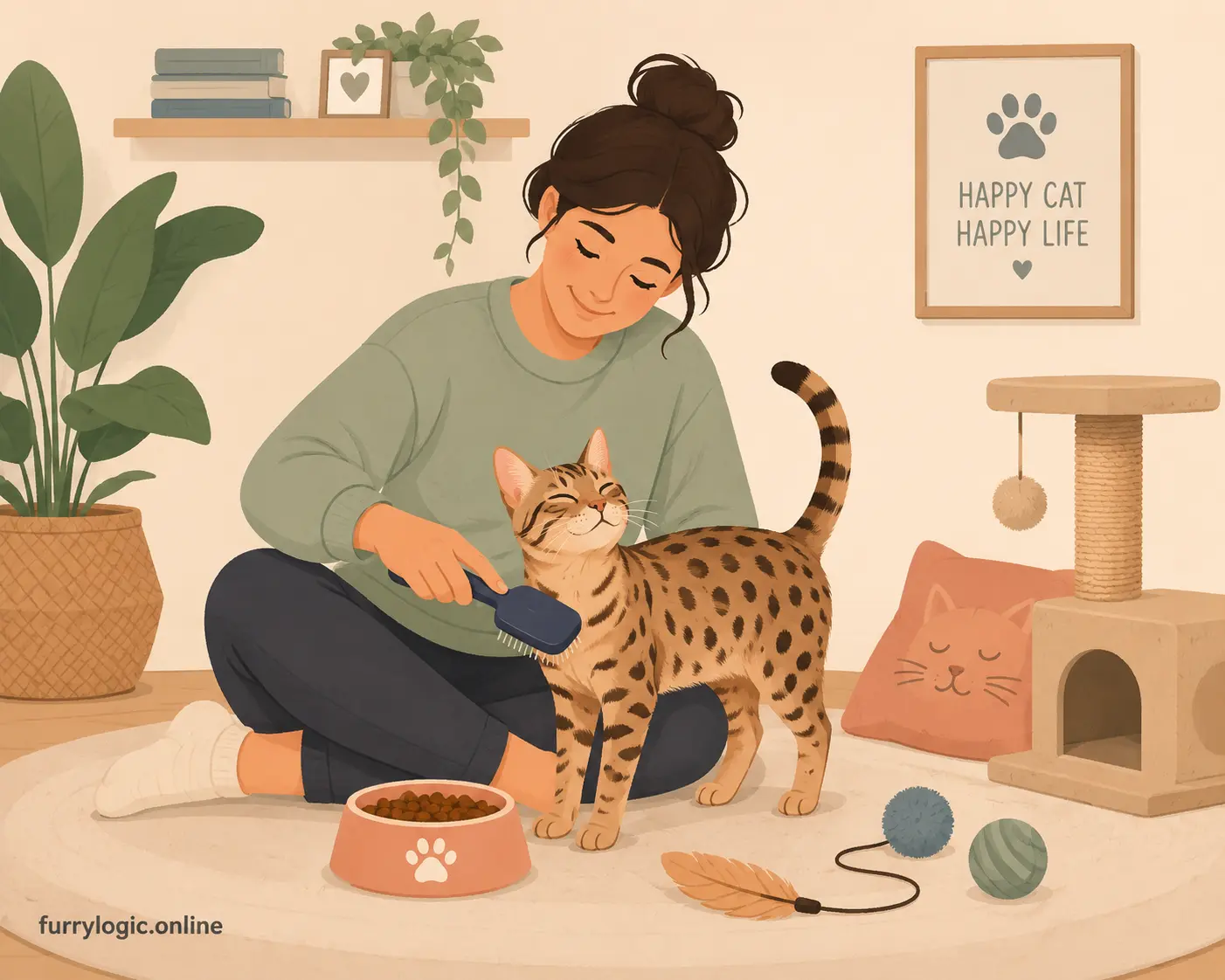
Most spotted breeds have short coats requiring relatively simple grooming routines. Weekly brushing often removes loose fur and keeps coats healthy.
Diet quality matters significantly because athletic breeds burn energy rapidly. High-quality protein supports muscle development and overall health.
Finding the Right Match for Your Household
Choosing Based on Lifestyle
The best leopard-looking cat for one home may be completely wrong for another. Households with children, other pets, and active lifestyles may enjoy energetic companions. Quieter homes might prefer gentler personalities.
Ask practical questions before choosing:
- How much daily interaction can you provide?
- Do you want a highly active cat?
- Are children or other pets involved?
- Do you prefer independence or affection?
Long-Term Commitment
Selecting a cat based purely on appearance is like choosing a book by its cover. The artwork may attract you, but the story determines whether you stay invested.
Wild-looking breeds can become extraordinary companions when personality and lifestyle match successfully. Their dramatic appearance may draw attention first, yet their behavior, habits, and emotional connections are what truly define the experience of sharing a home with them.
Conclusion
Domestic cats that look like leopards bring together two worlds that seem completely opposite: untamed beauty and household companionship. Breeds like Bengals, Savannahs, Ocicats, and Egyptian Maus demonstrate how selective breeding transformed visual characteristics into something extraordinary. Their spots, athletic movements, and striking faces create the illusion of miniature predators walking through living rooms.
The exciting appearance should never be the only deciding factor. Temperament, energy level, care requirements, and compatibility with household routines matter far more over years of companionship. The perfect match is not simply the cat with the most dramatic spots; it is the one whose personality fits naturally into daily life.
FAQs
1. Which domestic cat looks most like a leopard?
The Bengal is commonly considered the closest leopard look-alike because of its rosetted coat and athletic body.
2. Are leopard-looking cats aggressive?
No. Appearance does not determine temperament. Many exotic-looking cats are affectionate and social.
3. Are spotted cats harder to care for?
Not necessarily, although energetic breeds often require more playtime and mental stimulation.
4. Do all spotted cats have wild ancestry?
No. Breeds such as the Ocicat are completely domestic despite their exotic appearance.
5. Are leopard-like cat breeds good for families?
Many can fit family environments well if their activity levels and personalities match the household.

Dorian Keene is an American content writer and blogger based in Boise, Idaho. At 31 years old, he has spent several years researching and writing practical, well-sourced articles focused on consumer guides, digital trends, and lifestyle topics. His experience working with online publications has helped him develop a clear, trustworthy writing style that prioritizes accuracy and reader value. As a contributor to furrylogic.online, he is committed to creating informative content that reflects careful research, real-world insights, and dependable editorial standards.