
Cats sneeze for many of the same reasons humans do. A sneeze is the body’s natural way of clearing irritants from the nose and upper airways. One random sneeze after sniffing dusty furniture or poking around behind the couch is usually nothing dramatic. Cats are curious creatures, and their noses constantly explore the world around them. That curiosity sometimes pulls in tiny particles that trigger the sneeze reflex. Veterinarians explain that occasional sneezing is considered normal, especially if the cat otherwise acts healthy, eats normally, and has no other symptoms.
The real concern starts when sneezing becomes frequent, repetitive, or paired with other physical changes. Think of sneezing like a smoke alarm. One quick chirp might not mean much, but repeated alarms suggest something needs attention. Persistent sneezing may point toward infections, inflammation, dental disease, nasal growths, or environmental irritants. Some cats experience short “sneezing clusters,” where they sneeze multiple times in a row. This pattern often catches owners off guard because it feels sudden and intense. According to veterinary sources, repeated sneezing fits deserve closer observation, especially if mucus, blood, or breathing changes appear.
How the Sneezing Reflex Works in Cats
A cat’s nasal passages are extremely sensitive. Tiny nerve endings inside the nose react when dust, pollen, smoke, or infectious particles irritate the tissue. The brain responds by forcing air explosively through the nose and mouth, creating the familiar sneeze. It is essentially the body pressing a reset button to protect the respiratory system. Cats rely heavily on smell, so their nasal structures are complex and highly responsive.
This sensitivity is one reason indoor environmental changes can suddenly trigger sneezing episodes. Renovation dust, scented candles, perfume sprays, and even strong cleaning products may irritate the delicate lining inside a cat’s nose. Unlike humans, cats cannot explain discomfort, so sneezing becomes one of the clearest clues owners notice. Some cats may also paw at their noses or shake their heads after sneezing if irritation persists.
When Sneezing Is Completely Normal
A healthy cat may sneeze occasionally without any illness at all. A few isolated sneezes spread throughout the day usually fall into the harmless category. This is especially true if the cat remains energetic, playful, and hungry. Veterinarians often describe isolated sneezing as a normal housekeeping function of the respiratory tract.
Cats may sneeze after investigating dusty corners, inhaling litter particles, or encountering pollen through open windows. Some even sneeze briefly after excitement or vigorous movement. Kittens and newly adopted shelter cats may sneeze mildly as they adjust to new environments. In these situations, the sneezing often fades naturally without treatment. Monitoring the pattern is usually enough unless additional symptoms appear.
Occasional Sneezing Versus a Persistent Pattern
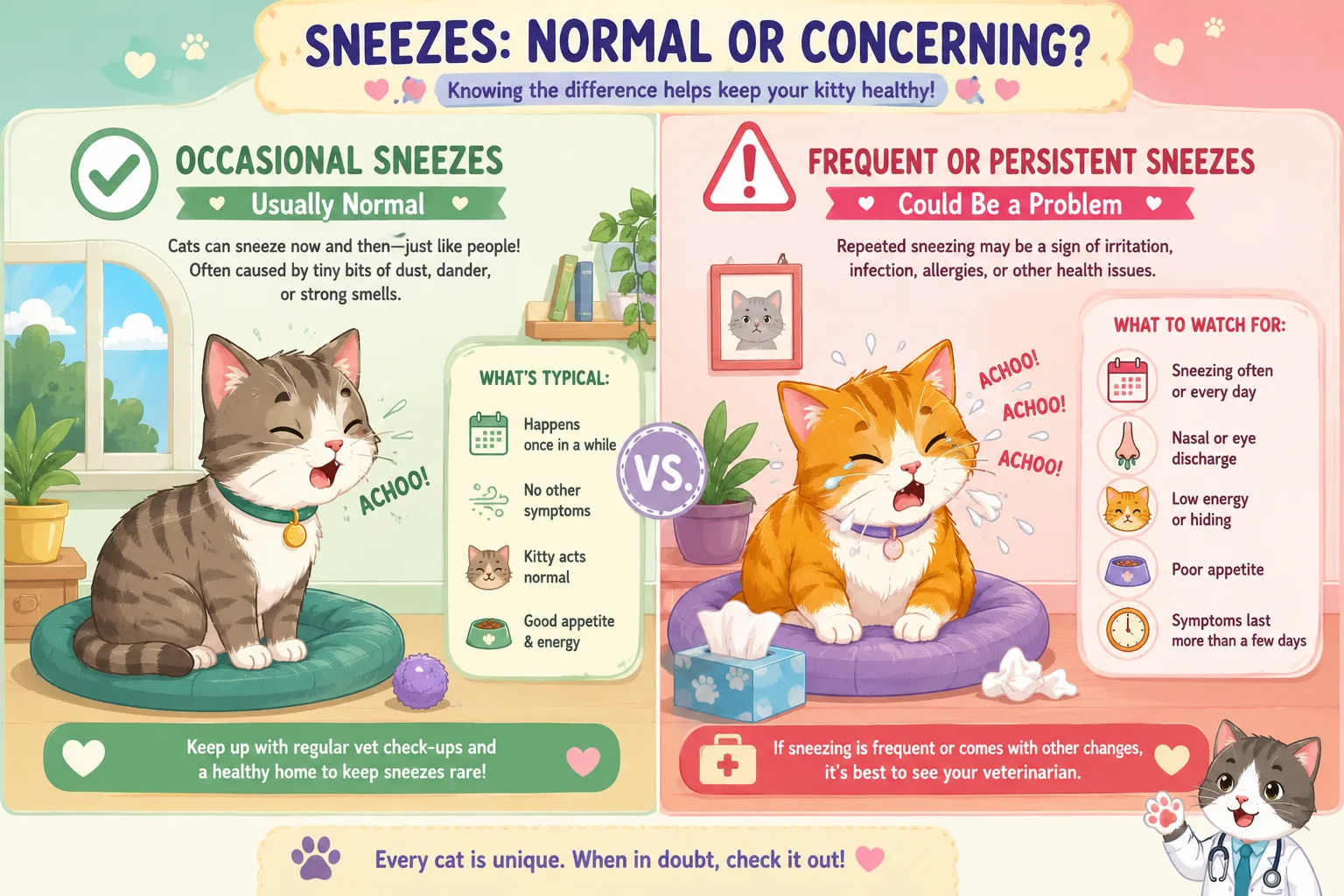
One of the biggest challenges for cat owners is determining whether sneezing is harmless or a warning sign. Frequency matters. A cat that sneezes once every few hours is very different from a cat that experiences repeated fits throughout the day. Persistent sneezing typically means the nose or upper respiratory tract remains irritated or inflamed.
Veterinary experts often separate sneezing into two categories: isolated sneezing and chronic sneezing. Isolated sneezing happens randomly and briefly. Chronic sneezing continues for days or weeks, sometimes worsening over time. If sneezing becomes a daily event, it should not be dismissed as “just allergies.” Cats actually experience respiratory infections far more commonly than true environmental allergies.
What Counts as Occasional Sneezing
Occasional sneezing usually involves:
| Normal Sneezing Characteristics | Why It’s Usually Harmless |
|---|---|
| One or two sneezes at a time | Temporary irritation |
| No mucus or eye discharge | No active infection |
| Normal appetite and energy | Overall health remains stable |
| Sneezing stops quickly | Irritant likely passed |
Cats experiencing this type of sneezing often recover without intervention. Owners simply need to observe for changes. It is similar to a person sneezing after walking through a dusty attic. The body reacts briefly and then moves on.
Signs That Sneezing May Signal a Health Issue
Persistent sneezing looks very different. Cats may sneeze repeatedly in clusters, produce nasal discharge, or show reduced appetite and lethargy. Thick yellow or green mucus often points toward infection. Blood in the sneeze is especially concerning because it may indicate severe inflammation, trauma, fungal infection, or even tumors.
Behavioral changes matter too. Cats with chronic nasal problems may hide more, sleep excessively, or avoid food because congestion reduces their ability to smell. Since smell strongly influences appetite in cats, respiratory illness can quickly lead to poor eating habits. If sneezing continues beyond several days, veterinary evaluation becomes important.
Common Irritants Found Around the Home
Many households unknowingly contain respiratory irritants capable of triggering feline sneezing. Cats spend most of their lives close to the ground where dust, cleaning residue, and airborne particles settle. Something that smells pleasant to humans can feel overwhelming to a cat’s sensitive nose.
Indoor air quality plays a surprisingly large role in feline respiratory comfort. Strong scents and chemical vapors can irritate nasal tissue repeatedly, creating inflammation that leads to chronic sneezing. Owners often notice improvement after removing specific triggers from the environment.
Dust, Smoke, and Household Chemicals
Dust remains one of the most common triggers for mild sneezing episodes. Construction work, vacuuming, old carpets, and poor ventilation all increase airborne particles. Cigarette smoke is another major culprit. Veterinary experts warn that smoke exposure can irritate the respiratory tract and worsen underlying conditions.
Perfumes, aerosol sprays, and chemical cleaners may also cause irritation. Imagine standing inside a cloud of strong bleach fumes with a nose far more sensitive than a human’s. That is essentially what some cats experience. Scented candles and essential oil diffusers can create similar problems. Certain oils are not only irritating but toxic to cats.
Cat Litter and Airborne Allergens
Dusty cat litter frequently contributes to sneezing. Clay-based litters especially release fine particles when cats dig or cover waste. Switching to low-dust or unscented litter often reduces symptoms significantly. Some owners notice sneezing flare-ups immediately after cleaning the litter box because airborne particles temporarily increase.
Seasonal pollen and mold can also contribute, particularly in homes with open windows or damp areas. Although true allergies are less common in cats than in humans, environmental irritants still aggravate sensitive airways. Air purifiers and better ventilation sometimes make a noticeable difference in reducing episodes.
Related Articles: What Does a Flea Egg Look Like on a Cat
Respiratory Infections and Other Frequent Culprits
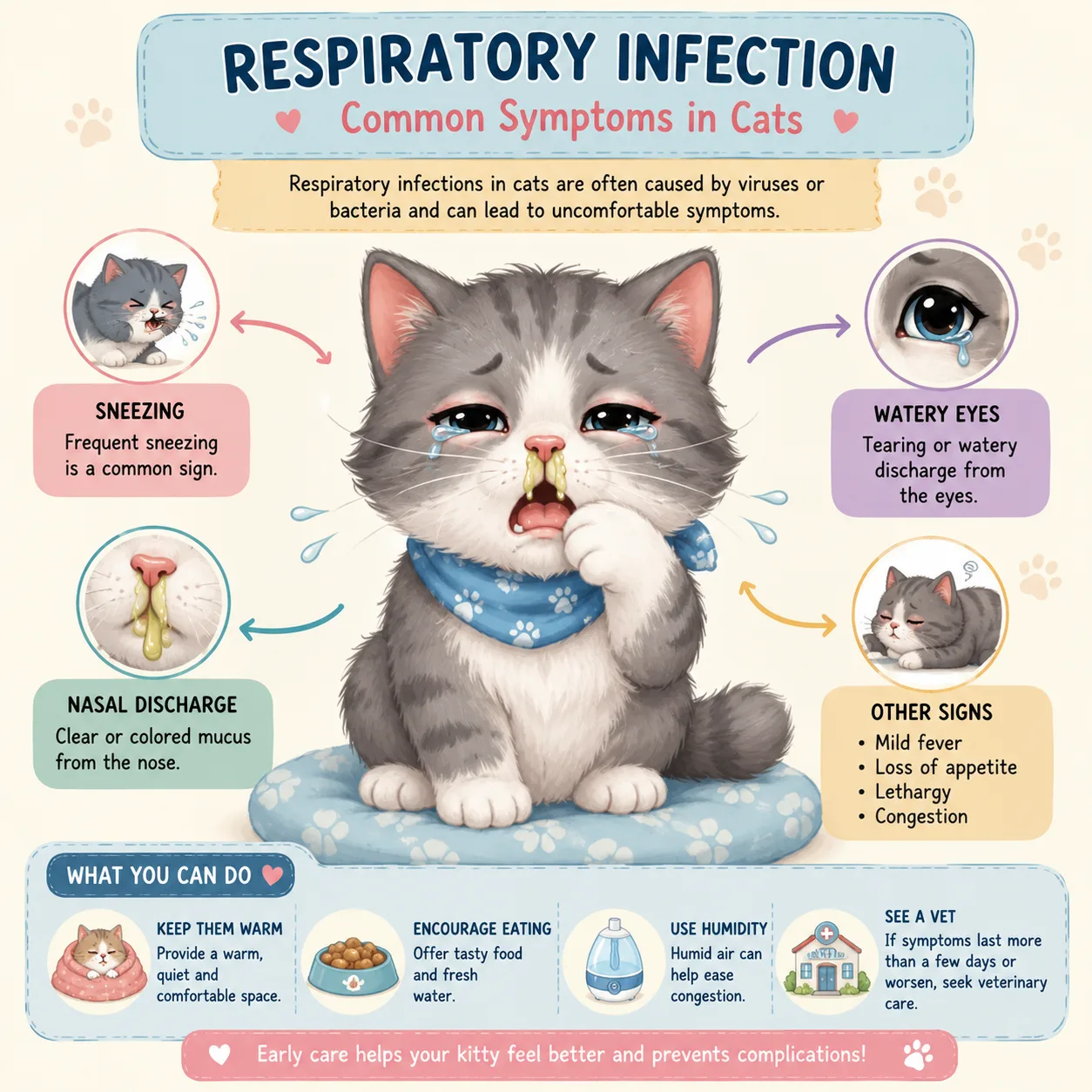
Upper respiratory infections are among the most common medical reasons cats sneeze repeatedly. These illnesses spread easily between cats, especially in shelters, boarding facilities, or multi-cat households. Kittens and older cats tend to be more vulnerable because their immune systems are weaker.
Many feline respiratory infections resemble the human common cold. Sneezing, congestion, eye discharge, fever, and fatigue frequently appear together. Viral infections are particularly widespread and may linger or recur throughout a cat’s life.
Viral Upper Respiratory Infections
Feline herpesvirus and calicivirus are leading causes of upper respiratory disease in cats. Once infected, some cats carry the virus permanently and experience flare-ups during stress. Moving homes, introducing new pets, or changes in routine may trigger renewed sneezing episodes.
Cats with viral infections often develop watery eyes, nasal discharge, reduced appetite, and congestion. The sneezing may sound explosive or frequent. Veterinarians note that stress plays a surprisingly powerful role in recurrence. A cat recovering from illness may seem fine for months before another stressful event sparks symptoms again.
Bacterial and Fungal Infections
Bacterial infections commonly appear secondary to viral disease. When nasal tissues become inflamed, bacteria take advantage of the weakened defenses. Thick yellow or green discharge strongly suggests bacterial involvement. Antibiotics may help in these cases, though treatment depends on proper diagnosis.
Fungal infections are less common but potentially serious. One fungal organism frequently linked to feline nasal disease is Cryptococcus. These infections may cause chronic sneezing, swelling around the nose, and persistent discharge. Diagnosis usually requires advanced testing because symptoms overlap with many other conditions.
Foreign Objects Stuck in the Nasal Passage
Sometimes the explanation is surprisingly simple: something is stuck in the nose. Grass blades, tiny plant particles, or debris can become trapped inside the nasal passages. Cats with foreign objects often experience sudden violent sneezing fits and may paw frantically at their faces.
This situation can resemble a human getting pepper up the nose. The irritation becomes immediate and intense. Veterinarians may use rhinoscopy or nasal flushing procedures to locate and remove the material safely.
Clues That Point to Dental or Nasal Problems
Many owners never connect sneezing with dental disease, yet the relationship is surprisingly strong. The roots of upper teeth sit very close to the nasal passages. Severe tooth infections can penetrate nearby tissues and trigger sneezing, nasal discharge, or chronic inflammation.
Nasal growths and tumors may also create persistent sneezing patterns, especially in older cats. These conditions usually develop gradually, which makes early symptoms easy to overlook.
Dental Disease and Tooth Root Infections
Advanced dental disease can allow bacteria and inflammation to spread into the nasal cavity. Cats may sneeze during or after eating because food particles irritate infected areas connected to the nose. Bad breath, drooling, facial sensitivity, and difficulty chewing often accompany the sneezing.
Routine dental care plays a major role in prevention. Many owners underestimate how quickly feline dental disease progresses. Professional cleanings and regular monitoring help reduce the risk of tooth-root infections contributing to respiratory symptoms.
Read More: What Age Should a Cat Be Neutered
Nasal Polyps and Tumors
Persistent one-sided discharge or sneezing sometimes signals polyps or tumors inside the nasal passages. Older cats face higher risk for nasal tumors, though benign polyps may occur in younger animals too. These growths physically obstruct airflow and irritate surrounding tissues.
Warning signs may include bloody discharge, noisy breathing, facial swelling, or sneezing concentrated on one side of the nose. Diagnosis often requires imaging such as CT scans or rhinoscopy. Early detection improves treatment options significantly.
Symptoms That Shouldn’t Be Ignored
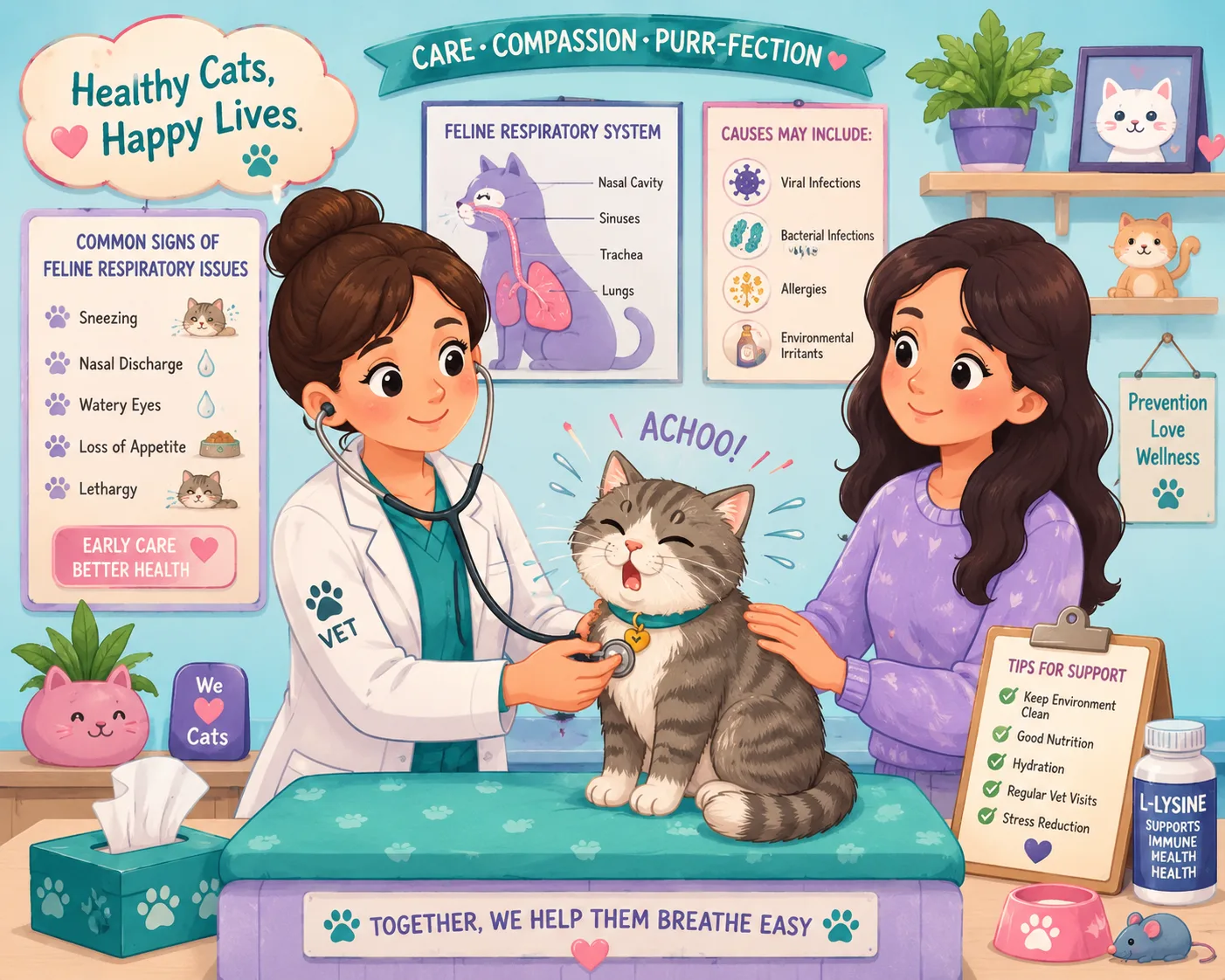
Sneezing alone may not always signal danger, but certain accompanying symptoms absolutely deserve prompt veterinary attention. Cats are experts at hiding illness, which means visible symptoms often appear only after a condition has progressed.
Owners should pay close attention to appetite, breathing, energy levels, and nasal discharge. These clues help determine whether the problem is mild irritation or something more serious.
Warning Signs That Require Veterinary Attention
The following symptoms should never be ignored:
| Symptom | Why It Matters |
|---|---|
| Thick yellow or green discharge | Possible bacterial infection |
| Loss of appetite | Risk of dehydration and weakness |
| Sneezing lasting more than several days | Ongoing inflammation or illness |
| Eye discharge or swelling | Upper respiratory involvement |
| Weight loss | Possible chronic disease |
| Blood from the nose | Trauma, tumor, or severe infection |
Veterinary professionals consistently stress that cats refusing food for more than 24 hours need evaluation. Reduced smell caused by congestion often decreases appetite rapidly.
Emergency Symptoms in Sneezing Cats
Some symptoms require immediate care. Open-mouth breathing, labored breathing, severe lethargy, or continuous bleeding are emergencies. Cats are not natural mouth breathers like dogs, so open-mouth breathing often signals respiratory distress.
Sudden violent sneezing combined with pawing at the face may indicate a foreign object lodged inside the nose. Delaying treatment in these situations can worsen irritation or infection.
How Veterinarians Identify the Underlying Cause
Diagnosing chronic sneezing can be surprisingly complex because many conditions produce similar symptoms. Veterinarians begin by collecting a detailed history about the cat’s environment, vaccination status, symptom duration, and exposure to other animals.
Owners who record videos of sneezing episodes may actually help the diagnostic process. Some sounds mistaken for sneezing are coughing, gagging, or wheezing instead.
Physical Exams and Diagnostic Testing
A physical examination typically includes checking the nose, eyes, mouth, teeth, and lymph nodes. Veterinarians may also recommend blood tests or swabs from the nose and throat. These tests help identify infections and evaluate overall health.
Dental examinations are particularly important because hidden tooth-root infections frequently contribute to chronic sneezing. Cats often tolerate dental pain quietly, making oral disease difficult to detect without professional evaluation.
Imaging, Rhinoscopy, and Biopsies
Advanced diagnostics sometimes become necessary when sneezing persists. X-rays and CT scans help visualize hidden nasal abnormalities. Rhinoscopy involves placing a small camera inside the nasal passages under anesthesia to search for tumors, fungal plaques, or foreign objects.
Biopsies may also be collected during these procedures. Although invasive, biopsies provide critical information when cancer, fungal infection, or severe inflammation is suspected. The goal is not merely stopping the sneezing temporarily but identifying the root cause accurately.
Steps That May Help Reduce Sneezing Episodes
Managing feline sneezing often requires both medical care and environmental adjustments. Small household changes sometimes create dramatic improvement, especially when irritants contribute to symptoms.
The key is reducing stress on the respiratory system while supporting overall immune health. Think of it as creating cleaner breathing conditions for a very sensitive nose.
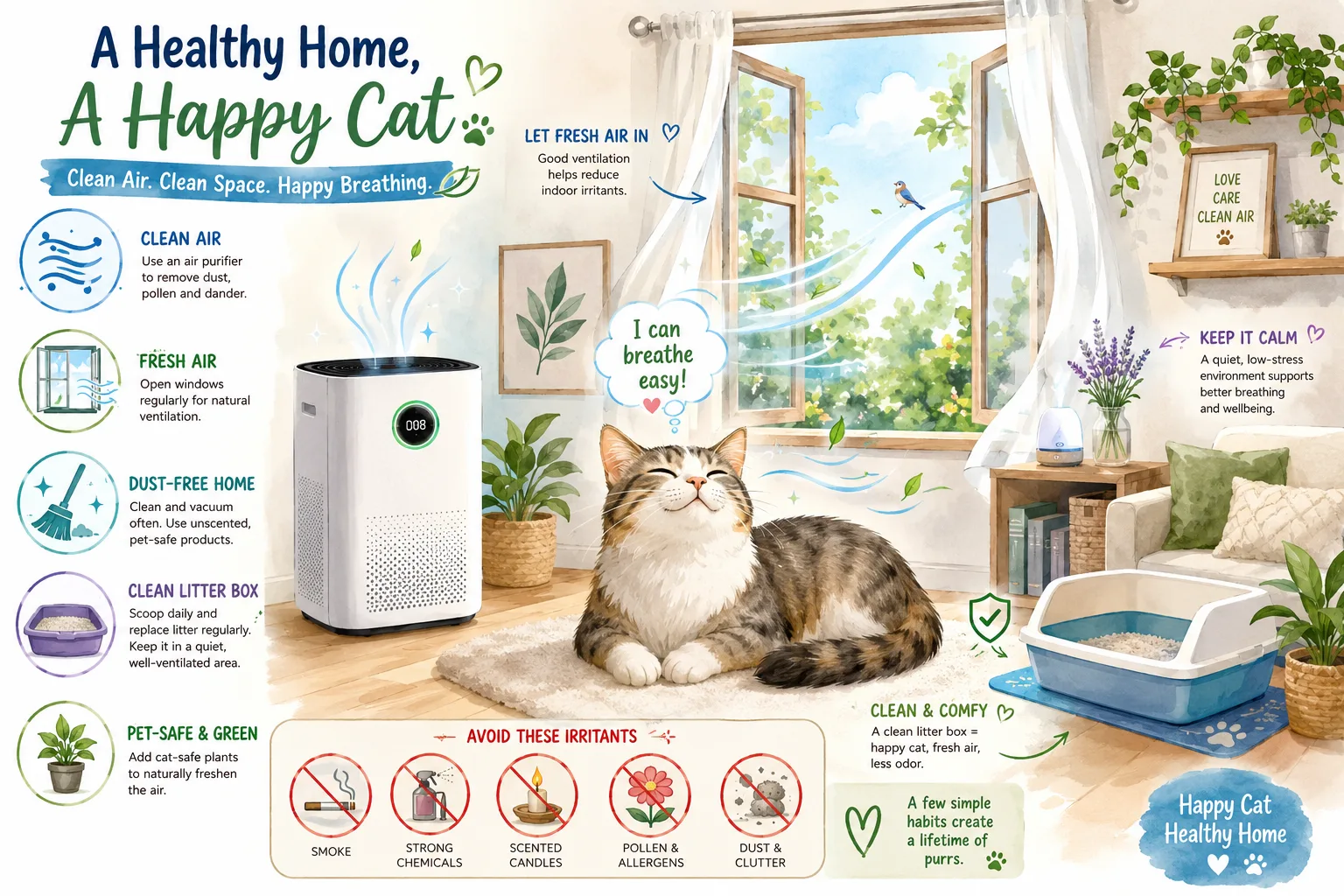
Improving the Home Environment
Several practical changes may help:
- Use low-dust, unscented cat litter
- Avoid smoking indoors
- Limit aerosol sprays and perfumes
- Improve ventilation and airflow
- Clean dusty areas regularly
- Use air purifiers if needed
Humidity may also help some cats breathe more comfortably. Veterinarians sometimes recommend humidifiers or allowing cats to sit in a steamy bathroom briefly. These approaches can loosen congestion and soothe irritated nasal passages.
Supporting Your Cat’s Long-Term Respiratory Health
Routine veterinary care remains essential for long-term respiratory health. Vaccinations reduce the risk of common viral infections, while regular dental care prevents oral disease from spreading into the nasal cavity.
Stress reduction matters more than many owners realize. Cats experiencing chronic viral infections often flare during periods of anxiety or environmental change. Maintaining stable routines, providing safe hiding spaces, and minimizing household stress can reduce recurrent sneezing episodes.
See Also: Why Is Your Cat Throwing Up Every Day
Conclusion
A sneezing cat is not always a sick cat, but persistent sneezing should never be ignored. Occasional sneezes are usually harmless responses to temporary irritants like dust or litter particles. Chronic sneezing, repeated sneezing fits, mucus discharge, or breathing changes tell a very different story. Respiratory infections, dental disease, nasal inflammation, fungal infections, and even tumors may all contribute to ongoing symptoms.
The most important step is observing the pattern. A healthy cat that sneezes once in a while and behaves normally probably does not need urgent care. A cat that sneezes constantly, stops eating, develops discharge, or struggles to breathe absolutely deserves veterinary attention. Early diagnosis often makes treatment easier and more effective.
Cats rely heavily on their noses to navigate the world. When sneezing disrupts that system, it affects appetite, comfort, and overall quality of life. Paying attention to those tiny “achoo” moments can reveal important clues about your cat’s health long before more serious problems appear.
Frequently Asked Questions
1. Is it normal for cats to sneeze every day?
Occasional daily sneezing may happen from dust or mild irritation, but repeated daily sneezing over several days should be evaluated by a veterinarian, especially if other symptoms appear.
2. Can cat litter cause sneezing?
Yes. Dusty or heavily scented cat litter can irritate sensitive nasal passages and trigger sneezing episodes in some cats.
3. Why does my cat sneeze but act completely normal?
A cat may sneeze occasionally because of harmless irritants like dust or pollen. If appetite, behavior, and energy remain normal, the sneezing may not indicate illness.
4. Should I worry if my cat sneezes blood?
Yes. Blood in sneezes can signal severe inflammation, trauma, fungal infection, nasal tumors, or other serious conditions requiring veterinary evaluation.
5. Can stress make cats sneeze more?
Yes. Stress can trigger flare-ups of viral respiratory infections, particularly feline herpesvirus, causing recurring sneezing episodes in some cats.

Dorian Keene is an American content writer and blogger based in Boise, Idaho. At 31 years old, he has spent several years researching and writing practical, well-sourced articles focused on consumer guides, digital trends, and lifestyle topics. His experience working with online publications has helped him develop a clear, trustworthy writing style that prioritizes accuracy and reader value. As a contributor to furrylogic.online, he is committed to creating informative content that reflects careful research, real-world insights, and dependable editorial standards.