

Cats have mastered the art of looking adorable at every size. A fluffy belly, a rounded face, and a slow, lazy stretch across the sofa can seem harmless; even charming. But beneath all that cuteness, excess weight can quietly chip away at a cat’s health. Veterinary experts now estimate that up to 60% of cats in developed countries are overweight or obese, making feline obesity one of the most common health problems seen in veterinary clinics today.
The tricky part? Many cat owners genuinely do not realize their pets are overweight. Cats gain weight gradually, and because we see them every day, those small changes can be almost invisible. One extra treat here, less movement there, and suddenly your cat is carrying pounds that place stress on joints, organs, and metabolism. It’s similar to adding a heavy backpack to your own body and never taking it off. Over time, the burden affects every movement and every system inside the body.
Veterinarians use more than just a number on the scale to determine whether a cat is overweight. Body shape, fat distribution, rib visibility, muscle tone, and activity levels all matter. A healthy cat is not necessarily a skinny cat, but there is a clear line between healthy body condition and dangerous weight gain. Understanding that line can help owners prevent serious diseases and improve their cat’s quality of life.
Understanding Healthy Feline Body Condition
Why Weight Matters More Than Appearance
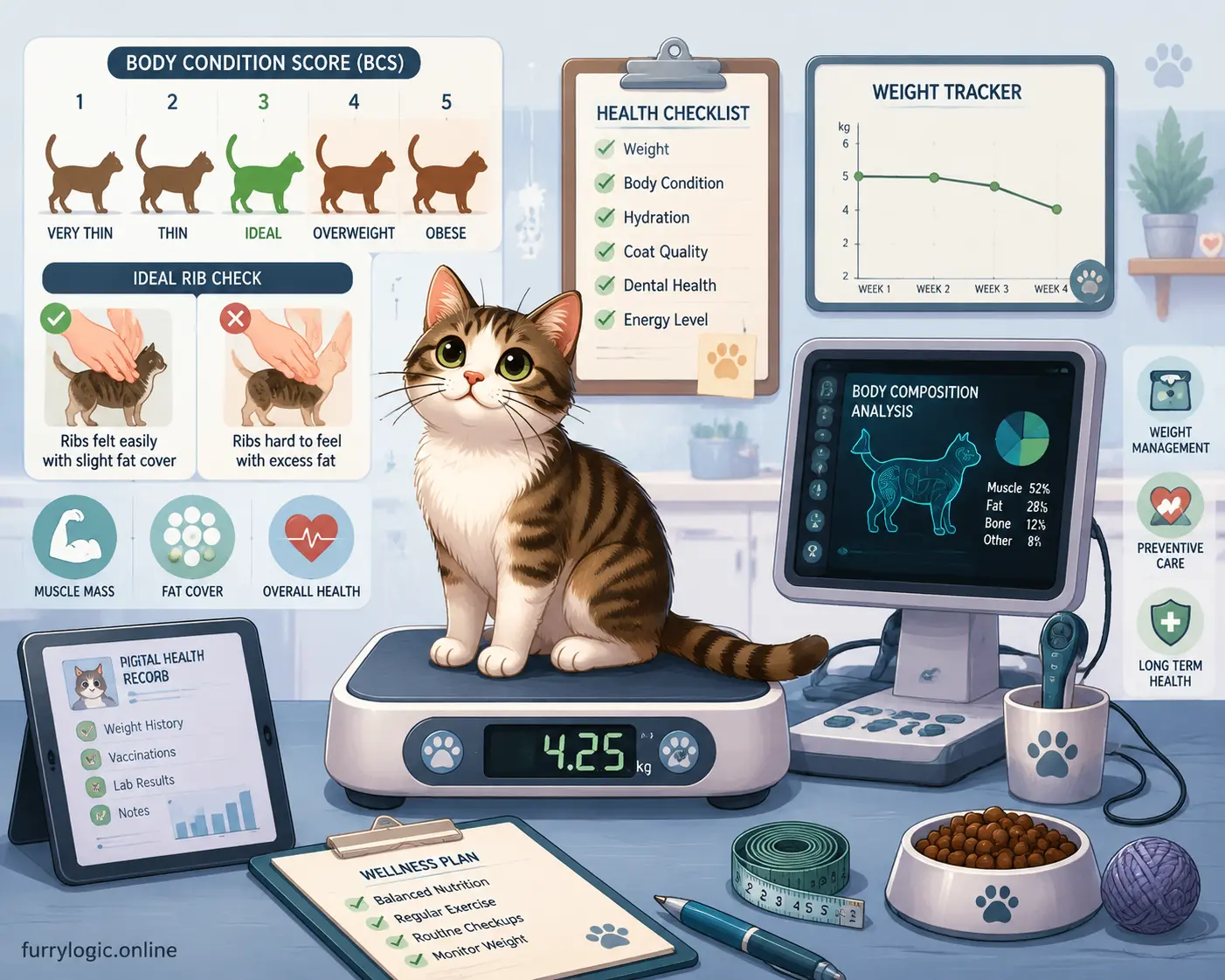
A cat’s appearance can be deceiving. Some breeds naturally look stockier, while long-haired cats can appear much larger than they really are. That luxurious coat may hide layers of body fat that owners never notice until a veterinarian points it out during an exam. This is why veterinarians focus on body condition instead of relying only on body weight.
A healthy cat should have a visible waistline when viewed from above and a slight abdominal tuck when viewed from the side. You should also be able to feel the ribs without pressing hard. Think of it like feeling the back of your hand beneath a thin glove; not buried under a thick cushion. If the ribs are difficult to locate, excess fat is probably present.
Many owners unintentionally normalize weight gain because heavier cats are often portrayed online as funny or lovable. Social media is full of chunky cats balancing on furniture or waddling across kitchens, and while those videos may be entertaining, obesity is not harmless. Research published in veterinary journals has connected feline obesity with diabetes, arthritis, urinary disease, cardiovascular strain, and reduced lifespan.
Weight also affects a cat emotionally and behaviorally. Overweight cats may stop jumping onto favorite surfaces, avoid playtime, or groom less effectively. Owners sometimes assume the cat is simply “getting older,” when in reality, carrying extra weight is making normal movement difficult. A healthy body condition supports energy, flexibility, and natural feline behavior.
Ideal Weight vs Body Condition Score
One of the biggest misconceptions among cat owners is believing every cat should weigh the same. In reality, ideal weight varies depending on breed, frame size, age, and muscle mass. A petite Siamese may be healthy at 8 pounds, while a large Maine Coon could naturally weigh 16 pounds without being overweight.
That’s why veterinarians commonly use the Body Condition Score (BCS) system. This scoring method evaluates fat coverage and body shape on a scale, usually from 1 to 9. Cats with a score of 4 or 5 are considered ideal. Cats scoring 6 or higher are classified as overweight, while scores of 8 or 9 indicate obesity.
| Body Condition Score | Weight Status | Visible Signs |
|---|---|---|
| 1-3 | Underweight | Ribs highly visible, minimal fat |
| 4-5 | Ideal | Waist visible, ribs easily felt |
| 6-7 | Overweight | Reduced waistline, fat deposits |
| 8-9 | Obese | Rounded abdomen, ribs difficult to feel |
Veterinary experts generally define overweight cats as being 10–20% above their ideal weight, while obese cats exceed ideal weight by more than 20%. That may not sound dramatic, but even a small increase can significantly impact health. For a cat whose ideal weight is 10 pounds, gaining just 2 extra pounds is equivalent to a human gaining dozens of excess pounds.
Body condition scoring is useful because it reflects actual health status better than the scale alone. Muscle-heavy cats may weigh more without excessive fat, while sedentary cats may have unhealthy fat accumulation despite a “normal” weight number. The BCS system helps veterinarians look at the whole picture rather than chasing arbitrary numbers.
Physical Signs Your Cat May Be Overweight
Changes in Shape and Movement
The earliest signs of feline weight gain often appear in body shape and movement patterns. Owners may notice their cat’s silhouette becoming rounder, especially around the abdomen. Instead of a defined waist, the body starts to resemble an oval shape from above. Fat pads may also develop near the lower belly or base of the tail.
Movement changes can be even more revealing. Cats are naturally agile athletes built for climbing, sprinting, and jumping. When excess fat accumulates, those movements become harder. A cat that once leaped effortlessly onto shelves may suddenly hesitate or seek lower surfaces. Some overweight cats stop climbing cat trees altogether because carrying extra body weight strains their joints.
Walking can also look different. Overweight cats sometimes develop a waddling gait or appear stiff after resting. Their stamina decreases, and play sessions become shorter. Imagine trying to run while wearing a weighted vest all day; it’s exhausting. Cats experience a similar burden.
Another overlooked sign is reduced grooming. Cats are meticulous cleaners, but obese cats may struggle to reach certain areas of the body. Matted fur, dandruff, or greasy patches around the back are common indicators. Owners may mistake these grooming problems for laziness, but the real issue is reduced flexibility caused by body fat.
Behavioral Clues Owners Often Miss
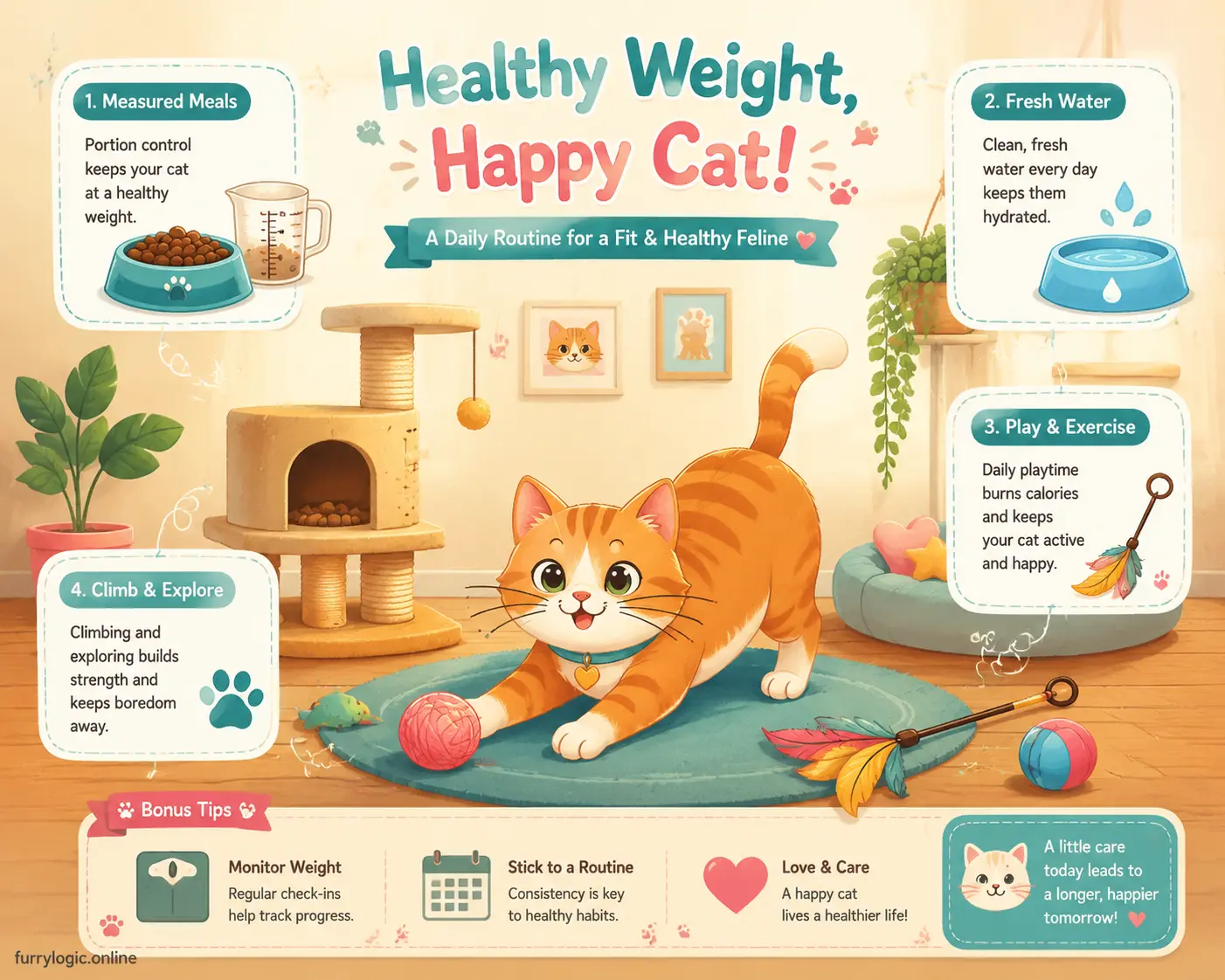
Behavioral changes linked to obesity can be subtle at first. Many cats sleep more as they age, but excessive weight can amplify fatigue and reduce curiosity. Overweight cats often become less interactive and less willing to engage in hunting-style play.
Food obsession may increase too. Cats fed unrestricted dry food throughout the day sometimes develop constant grazing habits. Instead of eating out of hunger, they eat from boredom or routine. Indoor cats are especially vulnerable because they lack the environmental stimulation and physical activity of outdoor cats.
Some owners interpret begging behavior as hunger, even when calorie intake already exceeds healthy levels. Cats are clever manipulators. They quickly learn that vocalizing near the kitchen leads to treats or extra portions. It’s not unlike a child discovering that dramatic puppy eyes work on grandparents every single time.
Stress and emotional factors may also contribute. Changes in household routine, limited territory, or lack of enrichment can lead cats to eat more frequently. Overeating becomes a coping mechanism, similar to emotional snacking in humans. Recognizing these behavioral patterns early can help prevent long-term obesity.
How Veterinarians Assess Weight Status
The Body Condition Scoring System
Veterinarians rely heavily on the Body Condition Score because it offers a standardized method of evaluating fat accumulation. During a physical exam, the veterinarian feels the ribs, spine, hips, and abdomen to assess fat coverage and muscle tone.
A healthy cat should have ribs that are easily felt beneath a thin layer of fat. The abdomen should not hang excessively, and the waist should remain visible when viewed from above. As fat accumulation increases, these landmarks become harder to identify.
The BCS system is especially useful because owners frequently underestimate obesity. A recent study from Brazil found low agreement between owners’ perceptions and veterinarians’ body condition assessments. In simple terms, many people think their overweight cats look normal.
Veterinarians also compare current weight to historical records. Gradual increases over months or years often reveal trends owners may overlook. Even small changes matter because feline metabolism is sensitive. Cats can gain unhealthy amounts of fat surprisingly quickly when calorie intake exceeds energy expenditure.
Modern Veterinary Assessment Tools
Veterinary medicine continues evolving beyond simple scales and visual exams. Recent research highlights newer methods for evaluating feline adiposity, including feline BMI calculations and ultrasonography techniques. These tools help veterinarians measure body fat more objectively.
Advanced clinics may use imaging technologies or body composition analysis to distinguish muscle from fat. This matters because older cats can lose muscle while simultaneously gaining fat, creating misleading body weights. Muscle loss combined with obesity is especially dangerous because it reduces mobility and metabolic efficiency.
Blood testing may also reveal obesity-related metabolic changes. Elevated glucose levels, inflammatory markers, and hormone abnormalities can indicate the body is already under stress. Studies published in veterinary journals have linked obesity with altered adipokine levels and inflammatory processes associated with diseases like osteoarthritis.
These modern assessment tools reinforce an important truth: feline obesity is not just cosmetic. It is a measurable medical condition affecting nearly every body system.
Common Causes of Weight Gain in Cats
Overfeeding and Free Feeding
The most common cause of feline obesity is surprisingly simple: consuming more calories than the body burns. Free feeding; leaving food available all day; is one of the biggest contributors. Many cats lack the self-regulation needed to avoid overeating, especially with calorie-dense dry food.
Portion distortion also plays a role. Measuring cups may not reflect accurate calorie needs, and treat calories often go uncounted. A handful of treats here and there can significantly increase daily intake over time. For a small cat, even tiny excesses add up quickly.
Pet food labels can be confusing too. Feeding recommendations frequently provide broad ranges that may exceed what indoor cats truly need. A sedentary indoor cat living in an apartment burns far fewer calories than an active outdoor hunter.
Human behavior contributes heavily as well. Feeding becomes emotionally tied to affection. Many owners equate food with love, rewarding cats with snacks after work or during quiet evenings. The problem is that cats do not need emotional comfort in the form of constant calories.
Indoor Lifestyle and Low Activity
Indoor living has dramatically improved feline safety and lifespan, but it also reduces physical activity. Outdoor cats naturally patrol territory, climb obstacles, and hunt prey. Indoor cats may spend most of the day sleeping on furniture.
Lack of stimulation compounds the issue. Cats are intelligent predators designed to stalk and chase. Without toys, climbing structures, or interactive play, boredom develops quickly. Eating becomes the most exciting event of the day.
Technology has changed pets’ lifestyles just as it has changed human lifestyles. Many modern households are quieter and more sedentary than ever before. Cats adapt to that rhythm, often becoming inactive companions rather than energetic hunters.
Environmental enrichment can make a huge difference. Puzzle feeders, climbing shelves, rotating toys, and scheduled play sessions encourage movement and mental engagement. Even short daily bursts of activity can improve calorie expenditure and reduce boredom-driven eating.
Age, Neutering, and Metabolism
Age is another important factor. Middle-aged cats are particularly vulnerable to obesity because metabolism slows while activity levels decrease. A 2025 study involving veterinary clinics found obesity rates increased significantly with age.
Neutering and spaying also influence metabolism. Hormonal changes after sterilization reduce calorie requirements, meaning cats need fewer calories than before surgery. Owners who continue feeding the same portions may unintentionally cause weight gain.
Certain medical conditions contribute too. Hypothyroidism is rare in cats, but arthritis, chronic pain, and mobility limitations can reduce activity. Some medications may increase appetite or encourage fat accumulation.
Genetics likely play a role as well. Some cats seem naturally more food-driven than others. Breed differences, appetite regulation, and metabolic efficiency all influence obesity risk. Still, genetics rarely act alone. Lifestyle and feeding habits remain the strongest contributors.
Health Risks Linked to Excess Weight
Diabetes and Metabolic Disorders
One of the most serious consequences of feline obesity is diabetes mellitus. Excess body fat interferes with insulin sensitivity, making it harder for the body to regulate blood sugar effectively. Over time, the pancreas becomes overwhelmed.
Diabetic cats may drink more water, urinate frequently, lose muscle mass, and become lethargic. Treatment often requires insulin injections, dietary management, and ongoing monitoring. Obesity dramatically increases the likelihood of developing this disease.
Inflammation is another hidden danger. Fat tissue is biologically active, releasing inflammatory chemicals throughout the body. This chronic low-grade inflammation contributes to metabolic dysfunction and organ stress. Recent veterinary research continues exploring the relationship between obesity-related hormones and systemic disease in cats.
Obesity can also shorten lifespan. Studies consistently show overweight pets face increased health complications and reduced longevity. Carrying extra fat essentially accelerates wear and tear on the body.
Joint Problems and Reduced Mobility
Cats are built for graceful movement, but obesity transforms those movements into physical labor. Every jump places additional strain on joints, especially the hips, knees, and spine. Over time, arthritis and chronic pain may develop.
Research published in veterinary journals has linked body fat and osteoarthritis severity in cats. The relationship is not only mechanical but also inflammatory. Fat tissue contributes chemicals that worsen joint inflammation and discomfort.
Mobility problems often create a vicious cycle. Pain discourages activity, reduced activity promotes additional weight gain, and further weight gain increases pain. Breaking that cycle requires gradual, sustainable intervention.
Reduced mobility also impacts emotional well-being. Cats unable to climb, perch, or explore may become frustrated or withdrawn. Obesity limits natural feline behaviors, reducing overall quality of life.
Heart, Urinary, and Respiratory Issues
Excess weight affects cardiovascular and respiratory health too. Obese cats may tire more easily because their bodies work harder during basic activity. Fat accumulation around the chest and abdomen can restrict breathing efficiency.
Urinary problems are another concern. Overweight cats face increased risk of urinary tract disease, partly because inactivity reduces water intake and litter box use frequency. Stress and inflammation may worsen these conditions further.
Obesity can even complicate routine medical care. Anesthesia becomes riskier, surgeries become more challenging, and recovery times often increase. Veterinarians must carefully adjust medication dosing and monitoring protocols for overweight patients.
The reality is simple: obesity rarely affects just one organ system. It creates a domino effect throughout the entire body.
Safe Weight Management Strategies
Nutrition Changes That Actually Work
Successful feline weight loss begins with nutrition, but drastic calorie cuts are dangerous. Cats cannot safely fast for extended periods because rapid fat breakdown may trigger hepatic lipidosis, a potentially fatal liver condition.
Veterinarians typically recommend gradual calorie reduction combined with balanced nutrition. Prescription weight-management diets are often high in protein and fiber, helping cats feel fuller while preserving muscle mass.
Portion measurement is essential. Guessing portions almost always leads to overfeeding. Digital kitchen scales and precise measuring tools provide far more accurate calorie control.
Wet food may also help because it generally contains fewer calories per volume and increases water intake. Feeding scheduled meals instead of free feeding creates structure and allows owners to monitor appetite changes more effectively.
Exercise and Environmental Enrichment
Exercise for cats does not require treadmills or marathon sessions. It simply means encouraging natural hunting and play behavior. Wand toys, laser pointers, climbing structures, and treat puzzles can significantly increase activity levels.
The key is consistency. Short, frequent play sessions often work better than occasional intense exercise. Even ten-minute interactive sessions twice daily can improve calorie expenditure and strengthen the bond between owner and cat.
Environmental enrichment matters just as much as physical activity. Cats thrive when they can climb, hide, stalk, and explore. Vertical shelves, window perches, and rotating toys transform indoor spaces into engaging territories.
Think of enrichment as mental exercise paired with physical movement. A stimulated cat is less likely to overeat from boredom.
Why Crash Diets Are Dangerous
Many owners become impatient when weight loss progresses slowly. But rapid weight loss is risky for cats. Unlike humans, cats have highly sensitive liver metabolism that cannot safely process sudden starvation.
Veterinarians generally aim for gradual weight reduction over months rather than weeks. Slow progress is healthier and more sustainable. Regular weigh-ins help track changes while ensuring muscle mass remains stable.
Cats also need emotional support during lifestyle changes. Abrupt food restriction without enrichment can increase stress and behavioral problems. The goal is not punishment; it’s long-term health improvement.
Tracking Progress Over Time
Monitoring Weight at Home
Tracking progress consistently is one of the best ways to maintain healthy feline weight. Owners can weigh cats monthly using baby scales or by subtracting their own body weight while holding the cat.
Photographs help too. Side and top-view images taken regularly reveal body shape changes that may be difficult to notice day-to-day. Recording feeding amounts, treat intake, and activity levels provides additional insight.
Behavioral improvements are equally important indicators. Increased playfulness, easier grooming, improved jumping ability, and better stamina often appear before dramatic scale changes.
Patience matters. Healthy feline weight management is a marathon, not a sprint.
Working With Your Veterinarian
Veterinary guidance is critical throughout the process. A veterinarian can determine ideal body condition, calculate calorie targets, and identify underlying medical issues contributing to weight gain.
Regular follow-up appointments ensure progress remains safe and effective. Adjustments may be necessary based on age, muscle condition, and activity level.
Veterinarians can also help owners avoid misinformation. Online advice varies wildly, and not every trendy feeding method suits every cat. Evidence-based recommendations tailored to the individual cat provide the safest path forward.
Conclusion
A cat is generally considered overweight when it exceeds its ideal body weight by 10–20%, and obese when weight surpasses that range even further. But the number on the scale tells only part of the story. Healthy body condition depends on shape, mobility, muscle tone, and overall wellness.
Recognizing obesity early can prevent serious diseases like diabetes, arthritis, urinary disorders, and cardiovascular strain. Small daily habits; portion control, regular play, environmental enrichment, and veterinary monitoring; make a tremendous difference over time.
Cats may not complain when extra weight slows them down. They adapt quietly, hiding discomfort behind sleepy expressions and fluffy coats. That silence makes owner awareness incredibly important. A healthy-weight cat is often more energetic, agile, curious, and comfortable. In many ways, maintaining healthy body condition is one of the most powerful forms of care a cat owner can provide.
FAQs
1. How can I tell if my cat is overweight without a scale?
You should be able to feel your cat’s ribs easily without pressing hard, and the cat should have a visible waistline when viewed from above. A rounded abdomen or difficulty feeling the ribs may indicate excess fat.
2. What is the ideal weight for most domestic cats?
Most average domestic cats weigh between 8 and 12 pounds, but ideal weight varies significantly depending on breed, body frame, and muscle mass.
3. Are indoor cats more likely to become overweight?
Yes. Indoor cats typically burn fewer calories because they have less opportunity for climbing, hunting, and roaming compared to outdoor cats.
4. Can overweight cats lose weight safely at home?
Yes, but weight loss should happen gradually and under veterinary guidance. Rapid calorie restriction can cause dangerous liver disease in cats.
5. How long does healthy feline weight loss usually take?
Safe weight loss often takes several months. Veterinarians usually recommend slow, steady progress rather than rapid changes.

Cael Voss is a 27-year-old American writer from Madison, Wisconsin, with a background in blogging, online publishing, and educational content development. He enjoys breaking down complex topics into practical, reader-friendly guides while maintaining high editorial standards. His work emphasizes clarity, factual accuracy, and user-focused research. Through furrylogic.online, Cael contributes engaging articles designed to help readers make informed decisions with confidence.