

Cats are mysterious little creatures. One minute they ignore you completely, and the next they leap into your lap like you’re the most important thing in the universe. If you’ve ever wondered why your cat suddenly chooses your lap as the perfect resting place, you’re definitely not alone. Cat owners everywhere try to decode this affectionate behavior, especially when their normally independent feline transforms into a cuddly companion during quiet evenings.
The truth is, cats sit on laps for a fascinating mix of emotional, physical, and instinctive reasons. Warmth, comfort, safety, affection, and trust all play major roles in this behavior. Veterinary experts and feline behavior studies increasingly suggest that lap sitting is more than random affection; it often reflects the strength of the human-cat relationship.
The Natural Instinct Behind Lap Sitting
Cats may act sophisticated and independent, but beneath that elegant attitude lies an animal deeply guided by instinct. Domestic cats still carry many behaviors inherited from their wild ancestors. One of the strongest instincts they possess is the desire to seek warmth, security, and safe resting spots. Your lap happens to provide all three at once, almost like a perfectly designed feline luxury chair. That’s why many cats naturally gravitate toward their owners during moments of relaxation.
In the wild, cats conserve energy whenever possible. Sleeping in a warm and protected place helps them avoid unnecessary energy loss. Even indoor cats who have never faced survival challenges still retain these deeply rooted instincts. Experts note that cats prefer warmer temperatures than humans, often between 77°F and 86°F. That means your body heat feels incredibly inviting to them, especially during colder evenings or quiet mornings.
Comfort also plays a huge role. Your lap is soft, slightly elevated, and carries familiar scents. Cats rely heavily on smell to identify safe environments and trusted companions. When they curl up on your lap, they’re surrounded by your scent, heartbeat, and warmth simultaneously. Imagine wrapping yourself in your favorite blanket while hearing soothing music in the background; that’s probably close to what your cat experiences.
There’s also an emotional layer hidden beneath this behavior. Cats often choose predictable spaces where they feel secure. If your lap consistently provides comfort without sudden movements or stress, your cat begins associating you with safety. Over time, this routine becomes part of their emotional world, almost like a bedtime ritual they eagerly anticipate.
Warmth and Comfort as Powerful Motivators
Why Human Body Heat Attracts Cats
If cats could design the perfect heating system, humans might actually rank near the top of the list. Your body produces steady warmth, which makes your lap incredibly attractive to a cat looking for relaxation. Since cats naturally maintain higher body temperatures than humans, they constantly search for warm environments that help them stay comfortable without expending extra energy.
Think about how often cats seek out sunny windowsills, blankets fresh from the dryer, or spots near heaters. Your lap functions exactly the same way, except it also comes with emotional reassurance. This combination of physical comfort and emotional familiarity makes your lap almost irresistible. Some cats become especially clingy during winter months because environmental temperatures directly influence their desire for warmth. Reddit discussions among cat owners frequently mention reduced lap sitting during hot weather and increased cuddling during colder seasons.
Body positioning matters too. Cats often choose curled-up positions because this posture helps conserve heat efficiently. When your cat circles twice before settling into your lap, they’re essentially optimizing their comfort like a tiny engineer adjusting a sleeping bag. Their purring during these moments may indicate deep relaxation and contentment.
What’s fascinating is that warmth alone doesn’t explain everything. Cats could easily sleep beside a heater or sunny window all day, yet many still choose their humans instead. That decision reveals something deeper than temperature preference. Your lap offers emotional familiarity that an object simply cannot provide. It’s warmth mixed with trust, and that combination creates a uniquely powerful attraction.
The Science of Feline Temperature Preferences
Understanding feline temperature preferences helps explain why lap sitting feels so natural for cats. Humans generally feel comfortable at temperatures around 68°F to 72°F, but cats prefer significantly warmer conditions. Veterinary experts explain that cats evolved from desert-dwelling ancestors, which partly explains their attraction to heat sources.
This preference becomes even more obvious in older cats, kittens, or short-haired breeds. Senior cats often experience joint stiffness and reduced circulation, making warm laps particularly soothing. Kittens instinctively seek warmth because they associate it with maternal comfort and protection. Some cats even knead while sitting on laps, a behavior linked to kittenhood nursing instincts.
Warmth can also influence emotional stability. Just like humans feel calmer wrapped in a cozy blanket, cats experience reduced tension in warm environments. Researchers studying animal behavior suggest that comfort-based routines help reduce stress and anxiety in companion animals. That means your lap may function as both a heating pad and a stress-relief zone.
Interestingly, not all cats express this behavior equally. Some cats prefer lying beside you instead of directly on your lap because they enjoy warmth without feeling restricted. Others become “velcro cats” that instantly climb aboard whenever you sit down. These differences highlight how personality and environmental factors shape feline affection.
The Trust Behind Choosing You as a Resting Spot
Vulnerability During Sleep
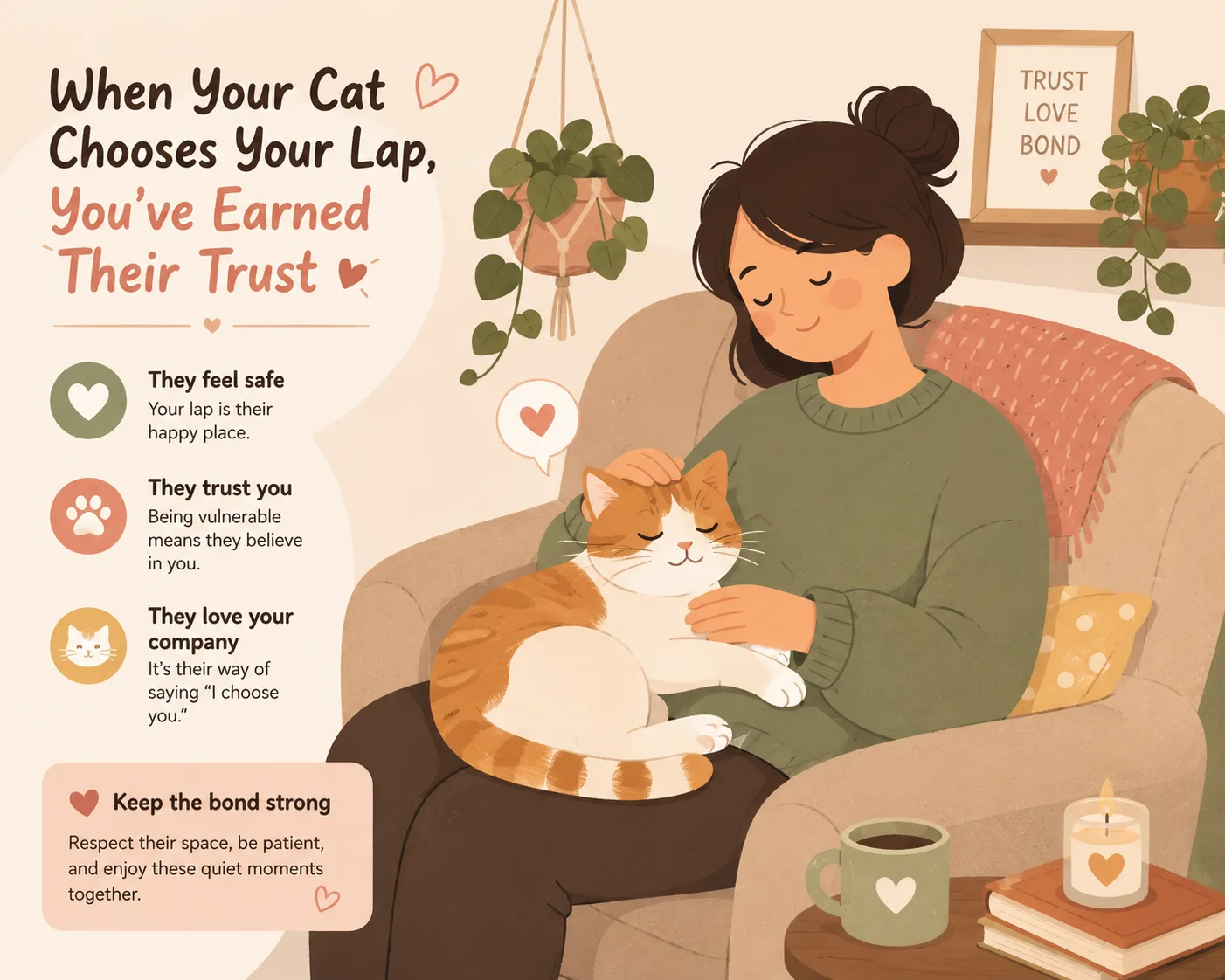
One of the clearest signs of feline trust is vulnerability during rest. Cats are naturally cautious animals. In the wild, sleeping in the wrong location could expose them to predators or danger. Even domesticated cats retain this instinctive awareness, which is why they often remain alert in unfamiliar environments. When your cat chooses your lap as a sleeping spot, they are essentially lowering their guard around you.
Veterinary behavior experts frequently point out that cats are at their most defenseless while sleeping. By resting on your lap, your cat signals confidence that you will not harm or disturb them. That level of trust is significant because cats do not casually expose themselves to vulnerability. Unlike dogs, whose social behavior naturally encourages physical closeness, cats typically reserve close body contact for individuals they deeply trust.
You may notice your cat closing their eyes fully, stretching out comfortably, or exposing part of their belly while sitting on you. These are powerful trust indicators. A tense or anxious cat rarely relaxes completely. Instead, they remain partially alert, ears twitching and muscles ready to react. A relaxed lap cat behaves entirely differently. Their breathing slows, their paws loosen, and they sometimes begin purring rhythmically like a tiny engine humming with satisfaction.
This trust often develops gradually. Rescue cats or shy cats may take months before willingly sitting on a lap. Their eventual decision to do so reflects emotional progress and growing confidence. It’s similar to how humans slowly build trust in relationships over time. Small positive interactions accumulate until the cat feels emotionally secure enough to rest beside you without fear.
How Cats Build Emotional Bonds
Cats form emotional connections differently than humans, but those bonds can become incredibly deep. Studies on feline attachment behaviors show that cats often use trusted humans as “secure bases,” much like children rely on caregivers for comfort and reassurance. This explains why many cats follow owners from room to room or seek physical closeness during quiet moments.
Scent plays an enormous role in bonding. Cats possess scent glands around their face, paws, and tail base. When they rub against you or sit on your lap, they mix their scent with yours, creating a shared familiar smell associated with safety and companionship. In feline language, that’s almost like creating a shared emotional signature.
Routine strengthens these emotional ties as well. Cats love predictability. If your evening routine involves reading on the couch while your cat naps on your lap, that repeated experience becomes emotionally meaningful. Over time, your cat may begin anticipating those moments long before they happen.
Some owners mistakenly assume cats are emotionally distant animals. In reality, many cats simply express affection more subtly than dogs. Lap sitting is one of the clearest demonstrations of feline attachment because it combines trust, comfort, and voluntary closeness into one behavior.
Seeking Security During Quiet Moments
Calm Environments Encourage Closeness
Have you noticed that cats often become more affectionate late at night or during calm afternoons? That timing is not accidental. Quiet environments help cats feel secure enough to relax physically and emotionally. Loud noises, sudden movement, or chaotic households can make cats cautious, even if they love their owners deeply.
When the environment becomes peaceful, your cat’s nervous system relaxes. That relaxation encourages behaviors like lap sitting, purring, kneading, and sleeping nearby. Calm surroundings reduce the need for hypervigilance, allowing cats to focus on comfort and bonding instead. In many homes, evening television time or quiet reading sessions become prime opportunities for feline affection.
Cats are incredibly observant creatures. They monitor human body language carefully and often respond to emotional energy. If you’re stressed, pacing around, or constantly moving, your cat may hesitate to settle onto your lap. On the other hand, relaxed posture and gentle movements create inviting signals. Your cat essentially reads your mood before deciding whether your lap feels safe enough for a nap.
This behavior also explains why some cats seek extra closeness during emotionally difficult periods. Many owners report increased lap sitting during illness, grief, or stressful life changes. Reddit discussions about behavioral changes after household loss highlight how cats often seek comfort and reassurance through physical proximity. Cats may not fully understand human emotions, but they strongly respond to changes in atmosphere and routine.
Your Presence as a Safe Zone
To your cat, you may function as more than a caretaker; you may represent emotional security itself. Cats often associate trusted humans with food, warmth, stability, and protection. Over time, your presence becomes psychologically calming, almost like a portable safe zone they can access whenever needed.
This explains why cats frequently sit on laps during thunderstorms, unfamiliar visits, or stressful household events. Physical closeness helps them regulate anxiety. Your heartbeat, voice, and scent create a familiar sensory environment that reassures them. Some experts compare this to how children seek comfort from parents during uncertain situations.
Interestingly, cats often choose specific people within households for lap sitting. That preference may depend on personality compatibility, energy levels, or past interactions. A calm individual who respects boundaries usually becomes more attractive to cautious cats than someone overly forceful or unpredictable.
Security-based lap sitting also reveals why forcing affection rarely works. Cats need to feel in control of their interactions. When they voluntarily choose your lap, the experience remains emotionally positive. If they’re restrained or pressured, the sense of safety disappears entirely.
Why Some Cats Become Lap Cats and Others Do Not
Personality Differences in Cats
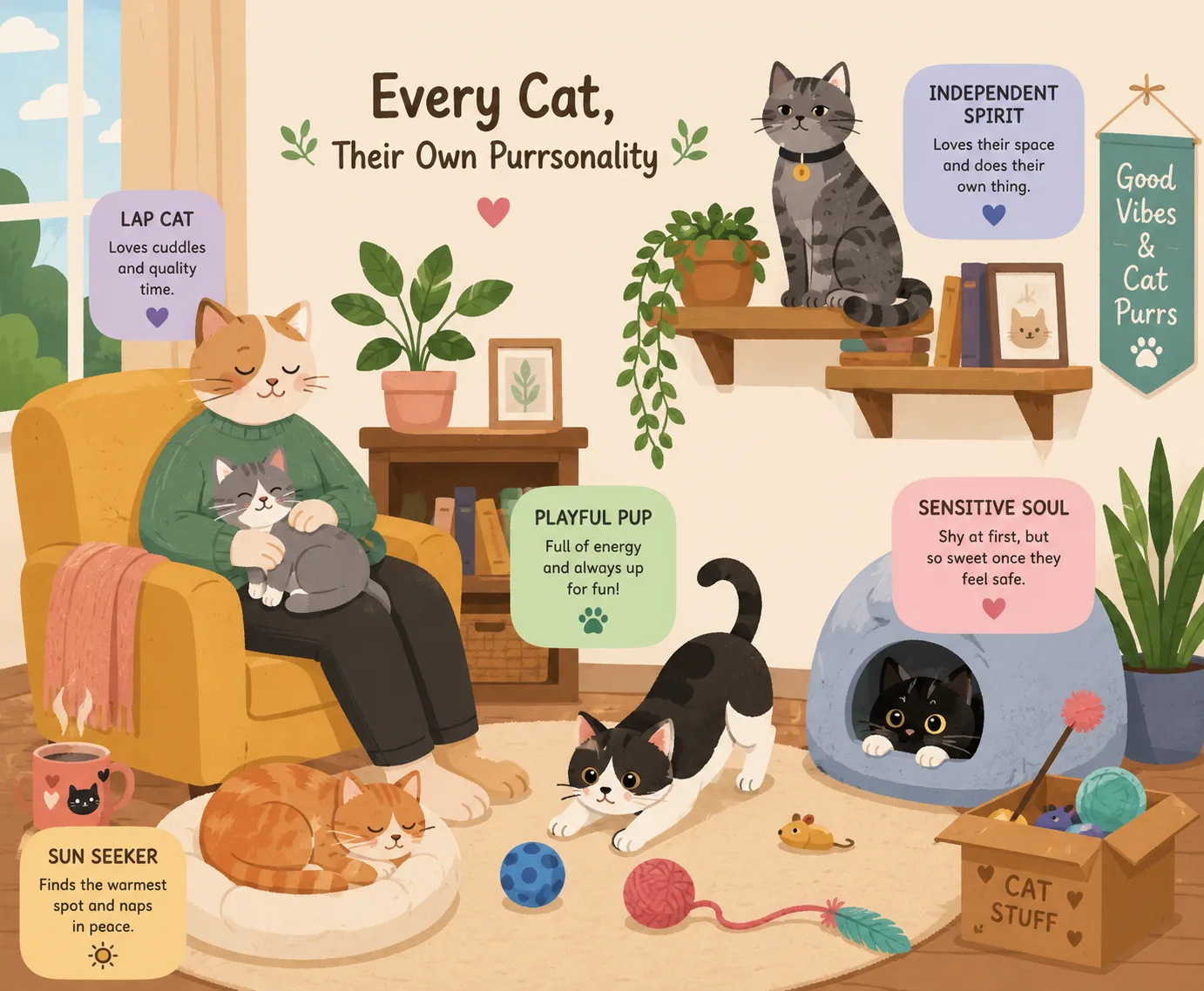
Not every cat becomes a dedicated lap cat, and that’s perfectly normal. Just like humans, cats possess distinct personalities. Some crave constant physical affection, while others prefer showing love from a distance. A cat who sleeps nearby without sitting directly on your lap may still feel deeply attached to you.
Personality differences begin early in life. Kittens exposed to gentle human interaction during critical socialization periods often grow into more affectionate adults. Meanwhile, cats raised with limited handling may remain cautious about physical closeness. Genetics can also influence sociability and confidence levels.
Independent cats sometimes express affection in quieter ways. They may greet you at the door, follow you between rooms, blink slowly at you, or sleep near your feet instead of on your lap. These behaviors still indicate trust and emotional connection. Expecting every cat to behave like a stereotypical cuddly kitten can create unrealistic expectations.
Reddit discussions among cat owners frequently emphasize this point. Some cats become enthusiastic lap sitters with nearly everyone, while others reserve physical affection for specific moments or people. Neither personality type is “better.” They simply reflect different comfort levels and communication styles.
Breed Traits and Socialization
Certain cat breeds are naturally more affectionate than others. Ragdolls, Maine Coons, Persians, and Birmans are often known for their social and cuddly personalities. These breeds frequently enjoy being close to humans and may actively seek lap time throughout the day.
Here’s a quick comparison of common breed tendencies:
| Cat Breed | Typical Affection Level | Lap Sitting Tendency |
|---|---|---|
| Ragdoll | Very High | Frequently seeks laps |
| Maine Coon | High | Enjoys companionship |
| Persian | Moderate to High | Loves quiet cuddling |
| Siamese | Very Social | Demands attention |
| Bengal | Energetic | Less likely to stay still |
| Russian Blue | Reserved | Selectively affectionate |
Socialization experiences matter just as much as breed traits. Cats raised in calm, loving homes generally develop stronger comfort around humans. Rescue cats may require extra patience before displaying lap behaviors, especially if they experienced trauma or instability previously.
Age can influence lap sitting too. Younger cats may prioritize exploration and play over cuddling, while older cats often become more affectionate and comfort-seeking over time. Many owners notice dramatic personality changes as cats mature into adulthood.
How Mood and Environment Influence This Habit
Seasonal Changes and Lap Sitting
Cat behavior changes with the seasons more than many people realize. During colder months, lap sitting often increases dramatically because cats seek additional warmth and comfort. Winter essentially transforms humans into giant heated cushions, which explains why your cat suddenly becomes extra affectionate when temperatures drop.
Environmental temperature directly affects feline behavior. In warm climates or summer months, cats may avoid prolonged physical contact simply because they feel too hot. This doesn’t mean they love you less; it just means comfort priorities have shifted temporarily. Many cat owners observe seasonal affection cycles that repeat predictably every year.
Indoor setup also influences lap behavior. Cats living in quiet homes with cozy furniture and stable routines often feel more secure engaging in affectionate habits. Meanwhile, crowded or noisy environments may reduce their willingness to relax openly.
Even your clothing can matter surprisingly enough. Some cats prefer soft blankets, fleece, or sweaters because these textures provide extra warmth and comfort. Others dislike bare skin during hot weather and adjust their lap habits accordingly. Cats are picky little critics when it comes to comfort details.
Stress, Anxiety, and Emotional Comfort
Cats sometimes seek lap time during stressful periods because physical closeness offers emotional reassurance. Changes like moving homes, introducing new pets, loud visitors, or altered routines can increase anxiety levels. During these moments, your cat may turn to you for security and emotional grounding.
Stress-related lap sitting differs slightly from purely affectionate cuddling. An anxious cat may appear more alert while remaining physically close. They might cling tightly, knead excessively, or reposition frequently. Observing body language helps determine whether your cat seeks comfort or simply relaxation.
On the flip side, highly stressed cats sometimes withdraw instead of becoming clingy. That’s why understanding your individual cat’s personality matters so much. Emotional responses vary widely between cats, just as they do among humans.
Providing consistent routines helps build emotional stability. Regular feeding times, gentle interactions, and predictable quiet spaces encourage trust and reduce stress-based behaviors. Over time, these habits strengthen your bond and make lap sitting feel even more natural for your cat.
Respecting Boundaries While Encouraging Affection
Why Forcing Affection Backfires
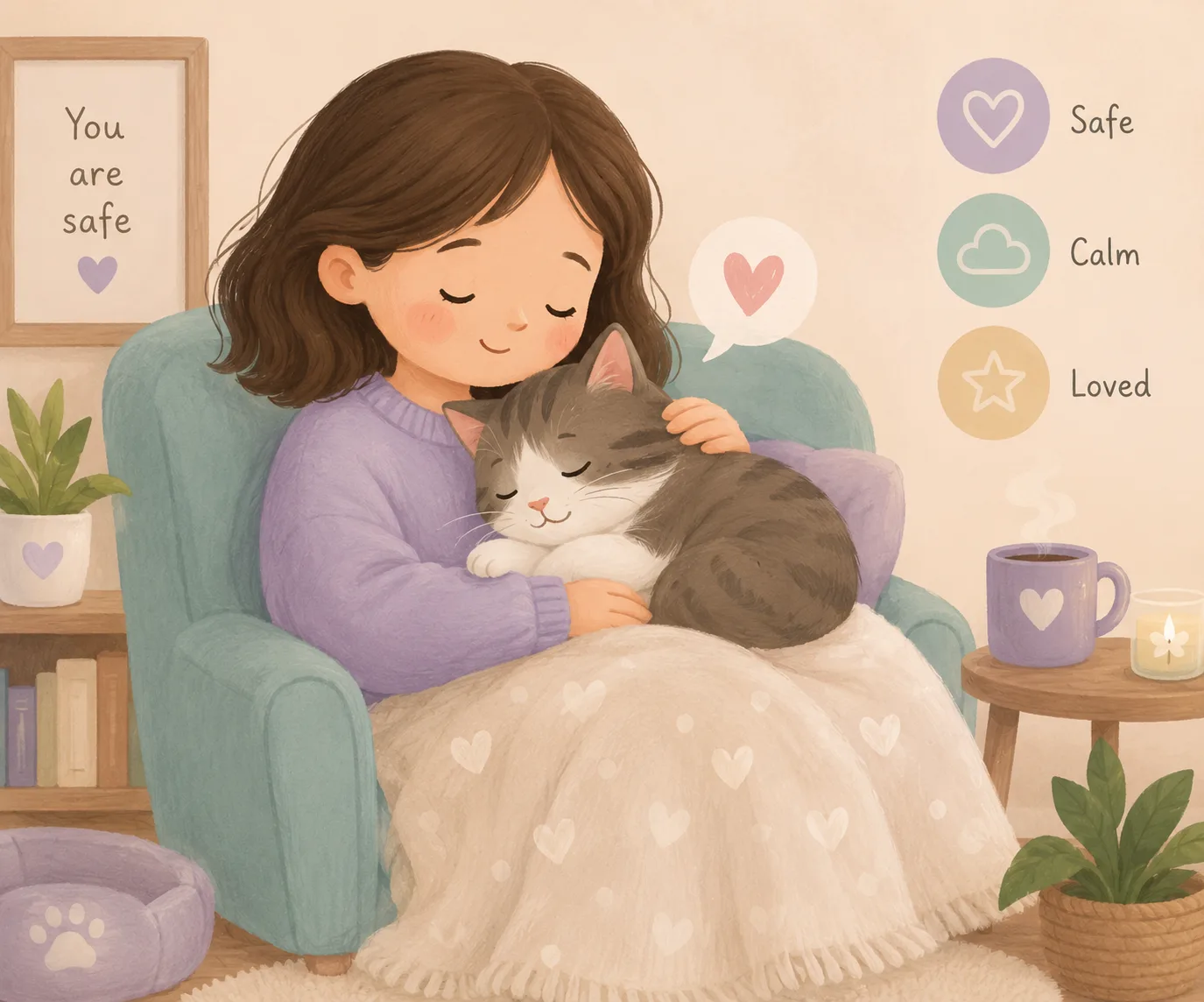
One of the biggest mistakes cat owners make is trying to force affection. Picking up a reluctant cat and placing them on your lap usually produces the exact opposite effect you want. Cats value control over their personal space. When that control disappears, they often become anxious or defensive.
Imagine someone repeatedly dragging you into hugs when you clearly need personal space. Eventually, you’d probably avoid that person entirely. Cats respond similarly. Respecting boundaries actually increases trust because it teaches your cat that interactions remain safe and voluntary.
Experts consistently recommend allowing cats to initiate physical contact. A cat who freely chooses your lap associates the experience with comfort and safety. A cat who feels trapped may begin avoiding your presence during relaxed moments.
Body language provides important clues about comfort levels. Relaxed ears, slow blinking, purring, and loose posture indicate contentment. Flicking tails, flattened ears, or sudden stiffness suggest overstimulation or discomfort. Paying attention to these subtle signals helps maintain positive interactions.
Simple Ways to Invite Your Cat Onto Your Lap
Encouraging lap sitting works best when approached gently and patiently. Start by creating a calm environment where your cat already feels comfortable. Soft blankets, quiet surroundings, and relaxed posture make your lap more inviting naturally.
Here are a few simple methods that often help:
| Encouragement Method | Why It Works |
|---|---|
| Use soft blankets | Adds warmth and familiar texture |
| Stay still and relaxed | Reduces perceived threat |
| Offer gentle petting | Builds positive association |
| Avoid sudden movements | Maintains sense of safety |
| Reward voluntary closeness | Encourages repeat behavior |
Some cat owners even place heated blankets or warm cushions nearby to attract curious cats. Once the cat associates your lap with warmth and relaxation, they may begin visiting voluntarily.
Patience is the secret ingredient. Trust develops slowly, especially with shy or previously traumatized cats. Small positive experiences eventually build into stronger emotional bonds over time.
What Lap Sitting Reveals About Your Relationship
Signs Your Cat Truly Trusts You
Lap sitting often reveals far more about your relationship than many people realize. Cats don’t casually choose vulnerable positions near individuals they distrust. When your cat sleeps soundly on your lap, they communicate emotional confidence without saying a single word.
Additional trust signs often appear alongside lap sitting. Slow blinking, head bunting, purring, kneading, exposing the belly, and following you between rooms all suggest strong attachment. These behaviors create a complex language of affection unique to feline communication.
Researchers studying feline attachment continue discovering evidence that cats form emotionally meaningful bonds with humans. While cats express attachment differently than dogs, their emotional connections can still become profound and lasting.
Your cat’s lap behavior may also evolve throughout life. Young playful cats often become calmer and more affectionate with age. Senior cats sometimes seek increased closeness because familiarity becomes increasingly important as they grow older.
Understanding Different Lap Behaviors
Not all lap sitting means the same thing. Some cats settle deeply and sleep for hours, while others perch briefly before moving elsewhere. Understanding these differences helps you interpret your cat’s emotional state more accurately.
A deeply sleeping cat usually indicates maximum comfort and trust. A cat who constantly shifts position may simply be regulating temperature or staying semi-alert. Cats who knead while sitting often feel especially content and emotionally secure.
Some cats sit facing away from owners because they remain relaxed enough not to monitor your movements constantly. Others prefer chest sleeping because heartbeat sounds and breathing rhythms provide extra comfort. Every cat develops unique preferences shaped by personality and experience.
Ultimately, lap sitting reflects a blend of instinct, comfort, emotional trust, and personal preference. It’s one of the clearest windows into how your cat experiences your relationship.
Conclusion
When a cat curls up on your lap, something surprisingly meaningful is happening beneath that fluffy surface. Warmth certainly matters, but lap sitting goes far beyond simple temperature preference. Your cat is choosing comfort, trust, emotional security, and companionship all at once. They’re essentially saying your presence feels safe enough for complete relaxation.
Not every cat becomes a lap cat, and that’s completely normal. Personality, breed, socialization, environment, and emotional history all shape how cats express affection. Some cats show love through constant cuddling, while others prefer quiet companionship nearby. Understanding these differences helps build healthier and more respectful relationships with our feline companions.
The next time your cat climbs onto your lap, pauses for a moment, and finally settles down with a satisfied purr, remember this: you’re not just serving as furniture. You’ve become part of your cat’s emotional comfort zone, and that’s a remarkably special kind of trust.
FAQs
1. Does a cat sitting on your lap mean it loves you?
Usually, yes. Lap sitting often indicates trust, comfort, and emotional attachment. Cats generally avoid vulnerable resting positions around people they dislike or distrust.
2. Why does my cat only sit on my lap at night?
Cats often become more affectionate in quiet environments. Evening hours tend to be calmer, warmer, and less stressful, making lap sitting more appealing.
3. Why are some cats not lap cats?
Personality, breed traits, early socialization, and past experiences all influence lap behavior. Some cats simply prefer affection without direct physical contact.
4. Should I force my cat to sit on my lap?
No. Forcing physical affection usually damages trust. Cats respond best when allowed to choose interactions voluntarily.
5. Why does my cat knead while sitting on my lap?
Kneading is linked to kittenhood nursing instincts and usually signals comfort, relaxation, and emotional security.

Dorian Keene is an American content writer and blogger based in Boise, Idaho. At 31 years old, he has spent several years researching and writing practical, well-sourced articles focused on consumer guides, digital trends, and lifestyle topics. His experience working with online publications has helped him develop a clear, trustworthy writing style that prioritizes accuracy and reader value. As a contributor to furrylogic.online, he is committed to creating informative content that reflects careful research, real-world insights, and dependable editorial standards.