
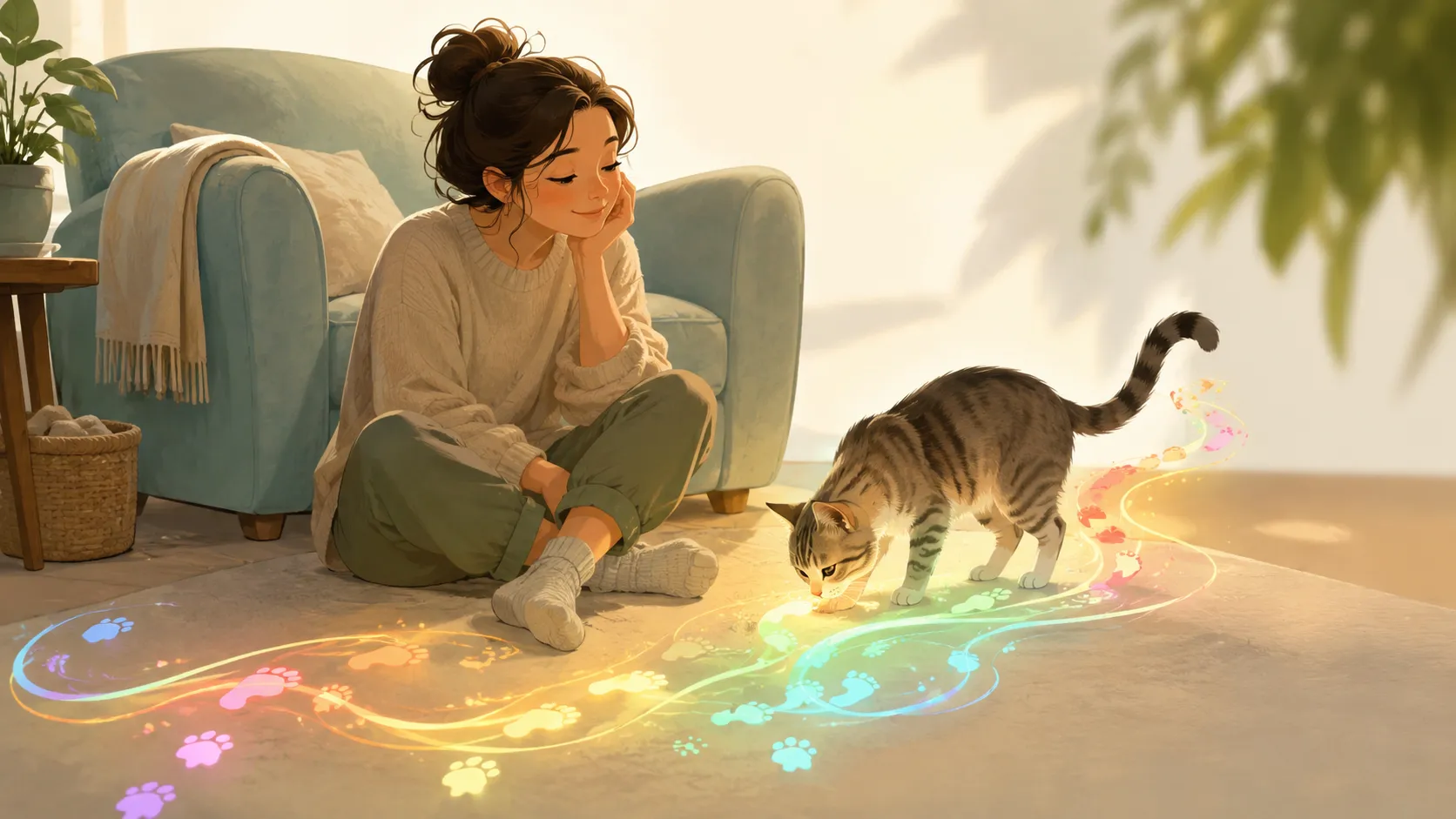
Cats are mysterious little creatures. One minute they’re ignoring you like you owe them money, and the next they’re lovingly licking your toes while you’re trying to relax on the couch. It’s weird. It’s ticklish. And honestly? It leaves many cat owners wondering what exactly is going on inside that fluffy little brain.
The truth is, cats rarely do anything without a reason. Toe licking may seem random, but it usually connects to instinct, scent recognition, affection, communication, or even emotional needs. Some cats are simply curious explorers. Others are trying to bond with you in the same way they would groom another cat. And yes, sometimes your feet are just salty enough to become strangely irresistible.
Veterinary behavior experts note that grooming and licking are completely normal feline behaviors, with many cats spending several hours each day grooming themselves or even other animals and humans.
Before you panic or assume your cat has developed an unhealthy obsession with your toes, it helps to understand the deeper instincts driving this behavior. Once you do, your cat’s strange fascination with feet suddenly makes a lot more sense.
Why Cats Use Licking as a Form of Communication
Cats may not speak our language, but they are constantly communicating. They use body posture, tail movements, vocal sounds, eye contact, and yes, licking. To a cat, licking is more than just grooming. It’s part social interaction, part emotional expression, and part instinctive behavior that dates back thousands of years.
When a cat licks your toes, it often means you’ve become part of its trusted social circle. In the feline world, grooming another cat is a sign of comfort and connection. Mother cats lick kittens to clean them, calm them, and strengthen their bond. Adult cats continue this behavior with cats they trust. When your cat licks your feet, your pet may simply be treating you like another member of the colony.
Interestingly, cats are incredibly scent-oriented animals. According to feline behavior experts, cats combine scents through grooming behaviors to create a shared “family scent.” That means your cat may actually be reinforcing your social connection by mixing its scent with yours. Strange? Absolutely. Sweet? In a weird little cat way, yes.
Some cats are naturally more affectionate and socially driven than others. Breeds like Siamese or Burmese cats often show stronger attachment behaviors, while independent cats may rarely lick humans at all. Personality, early kitten experiences, and home environment all shape how affectionate a cat becomes over time.
Grooming as a Social Bonding Ritual
In feline communities, grooming isn’t random hygiene. It’s a trust exercise. Cats rarely groom animals or people they dislike. When your cat licks your toes while purring or cuddling nearby, it’s often a sign that your presence feels safe and comforting.
This behavior is called allogrooming, a social grooming practice between bonded cats. Veterinary experts explain that cats often lick humans for the same reasons they lick each other; affection, scent exchange, and emotional bonding.
Think of it like a cat version of friendship bracelets. Humans hug, shake hands, or text each other constantly. Cats groom. Different species, same emotional purpose.
How Cats Treat Humans Like Family Members
One of the funniest truths about cats is that many experts believe cats don’t fully distinguish humans from giant, awkward cats. Your pet sees you as part caregiver, part roommate, and part oversized feline companion.
That explains why cats may rub against your legs, head-butt your face, sleep beside your feet, and lick your toes. These are all social bonding behaviors used between cats in close-knit groups. Your cat isn’t trying to be gross. It’s trying to strengthen the social connection it feels with you.
The Role of Scent in Your Cat’s Curious Behavior
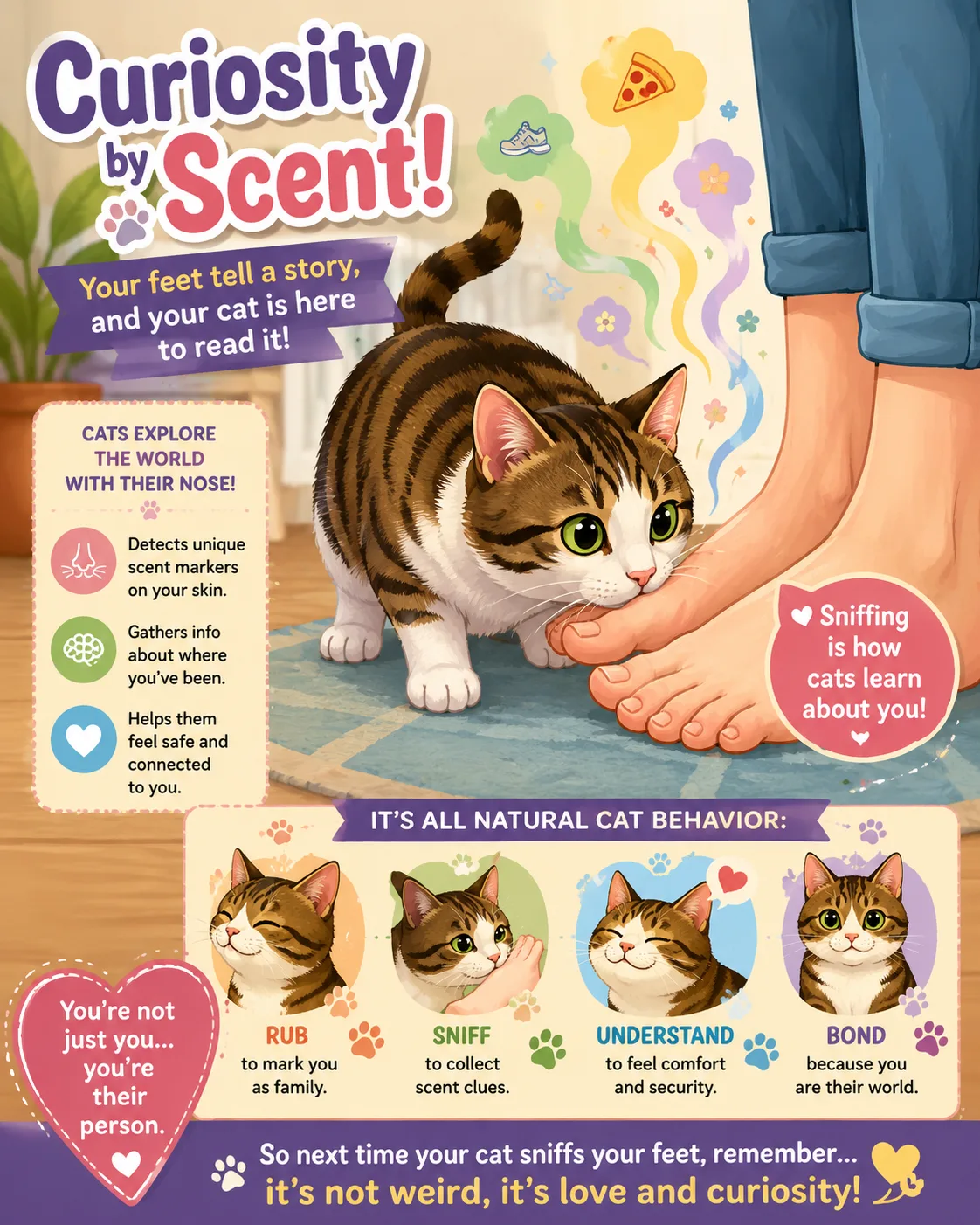
If humans experience the world visually, cats experience it through scent. Their sense of smell is dramatically stronger than ours, and your feet happen to carry one of the strongest scent signatures on your body.
Feet contain thousands of sweat glands, which create unique body odors filled with chemical information. To us, that’s just “foot smell.” To a cat, it’s basically a biography.
Cats use a specialized sensory structure called the Jacobson’s organ, located on the roof of the mouth, to analyze scents more deeply. Experts explain that cats sometimes lick objects or people specifically to better process smells and pheromones. That means your cat may literally be investigating your scent profile through licking.
Why Feet Carry Powerful Human Scents
Your shoes, socks, and feet smell intensely like you because they trap sweat and bacteria throughout the day. Cats often gravitate toward items carrying concentrated human scent because those smells provide comfort and familiarity.
That’s why many cats sleep on dirty laundry, bury themselves in shoes, or rub against sweaty feet. Online cat owners frequently report cats obsessing over socks and footwear for exactly this reason.
To your cat, your feet are basically scent billboards screaming: “Trusted human nearby.”
How Cats “Taste” Smells Through Specialized Organs
Cats don’t just sniff smells. They process them in layers. Licking allows scent particles to enter the mouth, where the Jacobson’s organ can analyze chemical signals more intensely.
You’ve probably seen a cat make a funny open-mouth expression after sniffing something interesting. That’s called the flehmen response, and it helps cats interpret pheromones and scent information more effectively.
So yes, when your cat licks your toes, there’s a decent chance it’s basically conducting scientific research.
When Grooming Instincts Extend to Human Family Members
Cats are hardwired groomers. Studies and veterinary observations suggest cats can spend between 30% and 50% of their waking hours grooming themselves. Grooming helps them stay clean, regulate body temperature, improve circulation, and reduce stress.
But grooming isn’t limited to themselves. Cats often extend this behavior to companions they trust. That includes other cats, dogs, and humans.
Understanding Allogrooming in Cats
Allogrooming usually focuses on areas difficult to clean alone, such as the head or neck. Humans don’t exactly have fur, so cats improvise. Feet and toes become accessible targets, especially when you’re sitting still.
Some cats lick gently for a few seconds. Others become surprisingly committed to the task. Either way, the behavior often stems from instinct rather than anything alarming.
Why Some Cats Groom More Than Others
Not all cats are equally affectionate groomers. Factors influencing licking behavior include:
| Factor | Impact on Behavior |
|---|---|
| Early kitten socialization | More social cats often lick humans more |
| Breed tendencies | Some breeds are highly people-oriented |
| Stress levels | Anxious cats may overgroom |
| Home environment | Bored cats may seek repetitive behaviors |
| Attention reinforcement | Reactions encourage repeated licking |
Cats quickly learn what gets a response. If toe licking causes laughter, movement, talking, or petting, your cat may repeat the behavior simply because it successfully grabbed your attention.
Salt, Skin, and Other Unexpected Attractions
Here’s the part most people don’t expect: your cat may genuinely enjoy the taste of your skin.
Human sweat contains salt, oils, minerals, and trace compounds that can interest cats. While cats don’t need salt from human skin nutritionally, they may still enjoy the flavor or texture. Some cats seem particularly fascinated after workouts or hot weather when sweat concentration increases.
Why Sweat Can Attract Cats
Cats are naturally curious animals. A sweaty foot carries warmth, scent, moisture, and salt all at once. That combination can become surprisingly stimulating.
Veterinary behavior articles note that cats may lick humans because they enjoy the taste of skin oils or sweat. Some cats are especially drawn to salty skin after exercise.
Imagine giving a toddler access to a mysterious new snack. That’s basically your foot to a curious cat.
Texture and Temperature Preferences
Cats also enjoy unusual textures. Human skin feels different from fur, blankets, furniture, or toys. Toes wiggle unpredictably, which can make them even more interesting.
Warm feet under blankets create movement and heat, two things cats instinctively notice. Some cats combine licking with playful biting because moving toes trigger hunting instincts as well.
Seeking Attention Through Repetitive Licking Habits
Cats are smarter than people give them credit for. They learn patterns quickly. If toe licking consistently gets your attention, your cat may turn it into a routine.
Maybe you laugh every time it happens. Maybe you immediately pet your cat. Maybe you yell dramatically and wiggle around. From your cat’s perspective, mission accomplished.
How Cats Reinforce Behaviors That Get Reactions
Animals repeat behaviors that produce results. This principle is called operant conditioning, and cats use it brilliantly.
If licking your toes results in:
- Attention
- Playtime
- Petting
- Verbal interaction
- Food
- Movement
…then your cat may continue doing it simply because it works.
This is especially common in intelligent or energetic cats that crave stimulation.
The Connection Between Boredom and Attention-Seeking
Indoor cats need mental stimulation. Without enough play, climbing, hunting opportunities, or interaction, they often invent strange habits to entertain themselves.
Excessive licking can sometimes become a boredom outlet. Reddit cat owners frequently describe cats increasing licking behaviors during lonely evenings or inactive routines.
A bored cat is basically a tiny furry inventor of chaos.
Could Stress or Boredom Be Part of the Reason
Sometimes licking becomes more than affection. Stress, anxiety, or environmental change can trigger compulsive grooming behaviors.
According to experts from , changes such as moving homes, new pets, schedule disruptions, or unfamiliar people can increase grooming and licking behaviors in cats.
Emotional Triggers Behind Excessive Licking
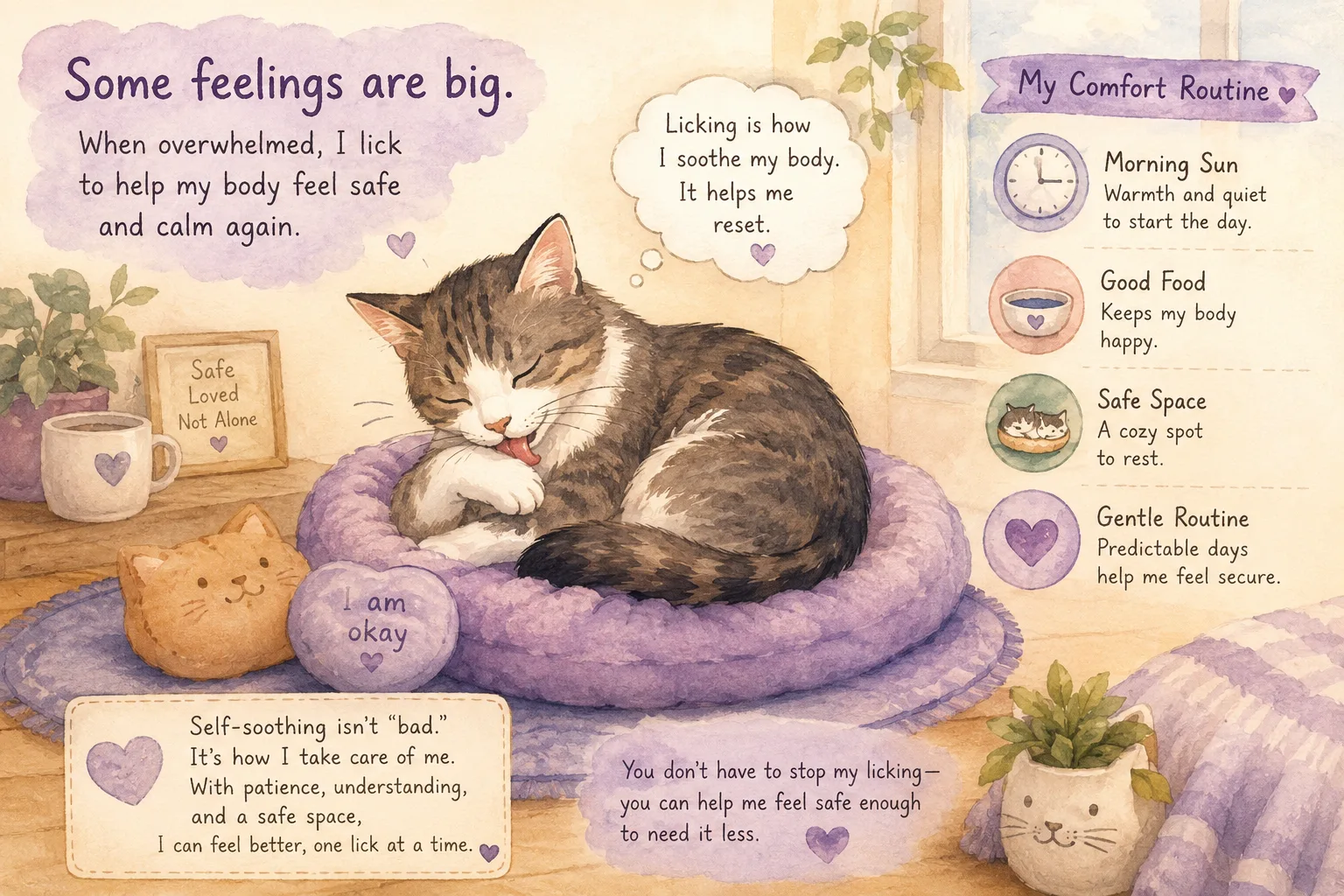
Cats thrive on routine. Even small household changes can affect them emotionally. A stressed cat may lick itself or humans more frequently because grooming releases calming endorphins.
Possible stress triggers include:
- Moving homes
- New pets
- Loud construction
- Reduced owner interaction
- Changes in work schedules
- Lack of stimulation
In these cases, licking acts like a self-soothing mechanism.
Environmental Changes That Affect Cat Behavior
Cats are surprisingly sensitive to emotional energy too. Some owners notice increased affectionate licking during stressful periods in the household. While scientific evidence is limited, many cat owners believe cats respond strongly to emotional tension.
Whether that’s emotional intuition or simple behavioral association, cats definitely notice changes around them.
Signs the Behavior Is Harmless Versus Concerning
Most toe licking is harmless. Weird? Yes. Dangerous? Usually not.
Still, there’s a difference between occasional affectionate licking and compulsive behavior linked to stress or medical issues.
Normal Toe Licking Behaviors
Generally harmless signs include:
- Short licking sessions
- Relaxed body language
- Purring or cuddling
- Occasional grooming during bonding moments
- No skin irritation or obsessive behavior
A calm cat giving a few sandpaper licks before curling up nearby is usually just expressing affection.
Warning Signs That Need Veterinary Attention
Excessive licking may require veterinary evaluation if you notice:
- Hair loss
- Skin redness
- Obsessive repetitive licking
- Aggressive behavior
- Sudden personality changes
- Reduced appetite
- Constant anxiety
- Licking focused intensely on one area
Veterinary experts warn that overgrooming can signal allergies, pain, anxiety, or medical problems.
If the behavior suddenly appears out of nowhere or becomes extreme, it’s worth consulting a veterinarian.
Ways to Redirect Excessive Licking Without Frustration
If your cat’s toe obsession becomes too much, the goal isn’t punishment. Cats rarely understand punishment the way humans expect. Instead, redirection works far better.
Positive Reinforcement and Redirection
When your cat starts licking excessively:
- Redirect attention to a toy
- Offer interactive play
- Reward calm alternative behaviors
- Use puzzle feeders
- Create climbing opportunities
Avoid yelling or physically pushing your cat away aggressively. That can increase anxiety and accidentally reinforce attention-seeking behavior.
Creating a More Enriching Environment
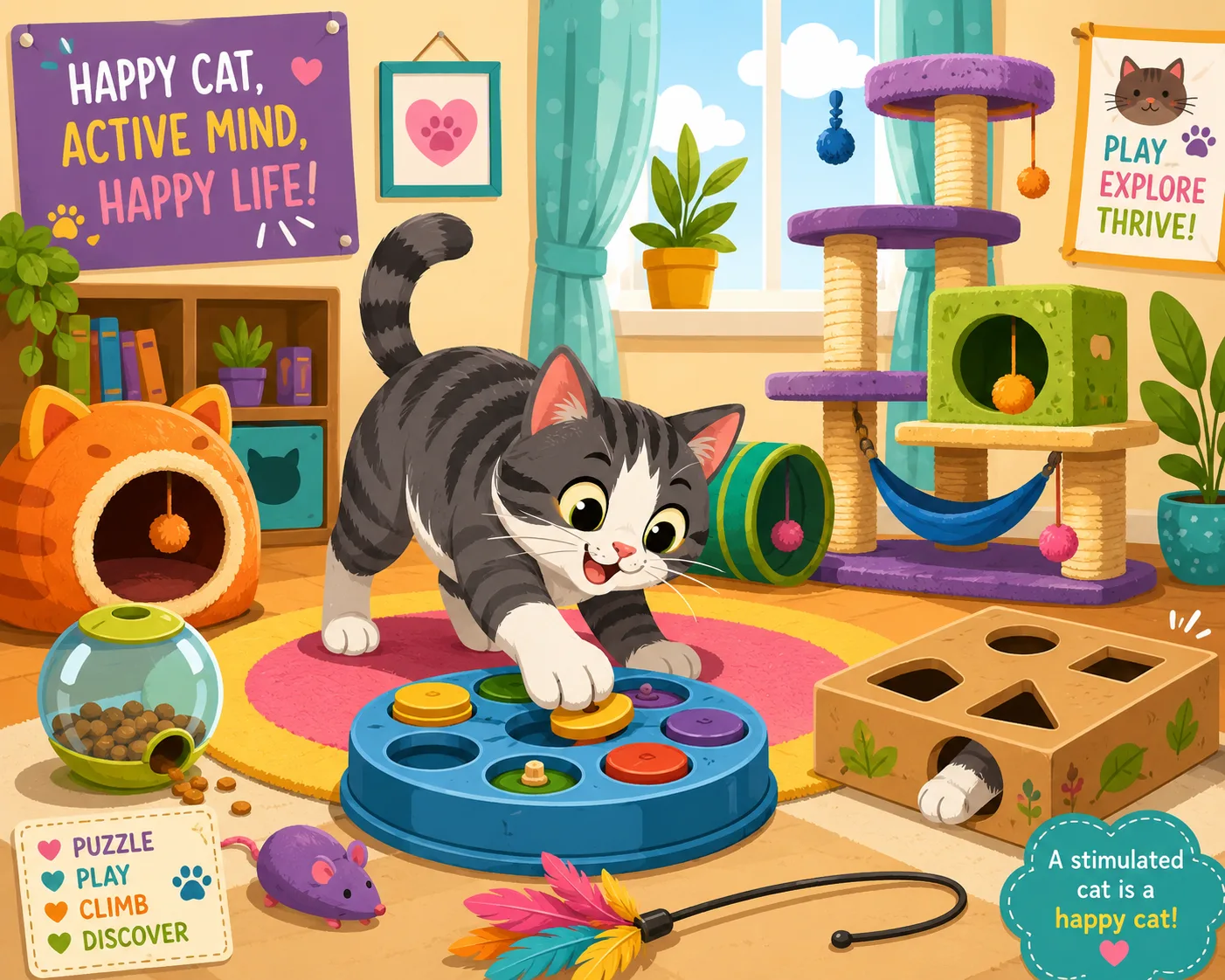
Cats need stimulation to stay emotionally balanced. Helpful enrichment ideas include:
- Cat trees
- Window perches
- Hunting toys
- Scheduled play sessions
- Scratching posts
- Treat puzzles
Experts suggest even 10 to 15 minutes of daily play can significantly reduce stress-related behaviors.
A mentally satisfied cat is far less likely to turn your feet into its primary hobby.
Conclusion
Cats lick toes for a surprisingly wide range of reasons. Sometimes it’s affection. Sometimes it’s grooming instinct. Sometimes your feet simply smell fascinating in the strange and complex world of feline scent communication.
Most of the time, toe licking is harmless and even emotionally meaningful from your cat’s perspective. Your pet may see you as family, feel comforted by your scent, or simply enjoy the salty taste of skin after a long day. What feels bizarre to humans often makes perfect sense in feline social behavior.
The key is paying attention to context. A relaxed, affectionate cat occasionally licking your toes is usually showing trust and connection. But if the behavior becomes obsessive, stressful, or physically harmful, it may point toward anxiety, boredom, or an underlying medical issue worth exploring with a veterinarian.
At the end of the day, cats are wonderfully odd little creatures. Toe licking is just one more reminder that sharing life with a cat means accepting a few delightfully strange expressions of love.
FAQs
Why does my cat only lick my toes at night?
Cats are naturally more active during evening hours. At night, your feet are often still, warm, and accessible under blankets, making them especially attractive for grooming or attention-seeking behaviors.
Is it safe to let my cat lick my feet?
Generally yes, as long as your skin is healthy and free of lotions, medications, or harmful chemicals. Occasional licking is usually harmless for both you and your cat.
Why does my cat lick and then bite my toes?
This often happens when grooming behavior shifts into playful hunting instincts. Moving toes can trigger predatory excitement, especially in younger or energetic cats.
Can excessive licking mean my cat is stressed?
Yes. Overgrooming or repetitive licking can sometimes signal stress, boredom, anxiety, or medical problems. Sudden increases in licking behavior should be monitored carefully.
Do cats lick people they love?
In many cases, yes. Grooming is a social bonding behavior in cats. When your cat licks you, it often indicates trust, affection, and comfort.

Dorian Keene is an American content writer and blogger based in Boise, Idaho. At 31 years old, he has spent several years researching and writing practical, well-sourced articles focused on consumer guides, digital trends, and lifestyle topics. His experience working with online publications has helped him develop a clear, trustworthy writing style that prioritizes accuracy and reader value. As a contributor to furrylogic.online, he is committed to creating informative content that reflects careful research, real-world insights, and dependable editorial standards.