
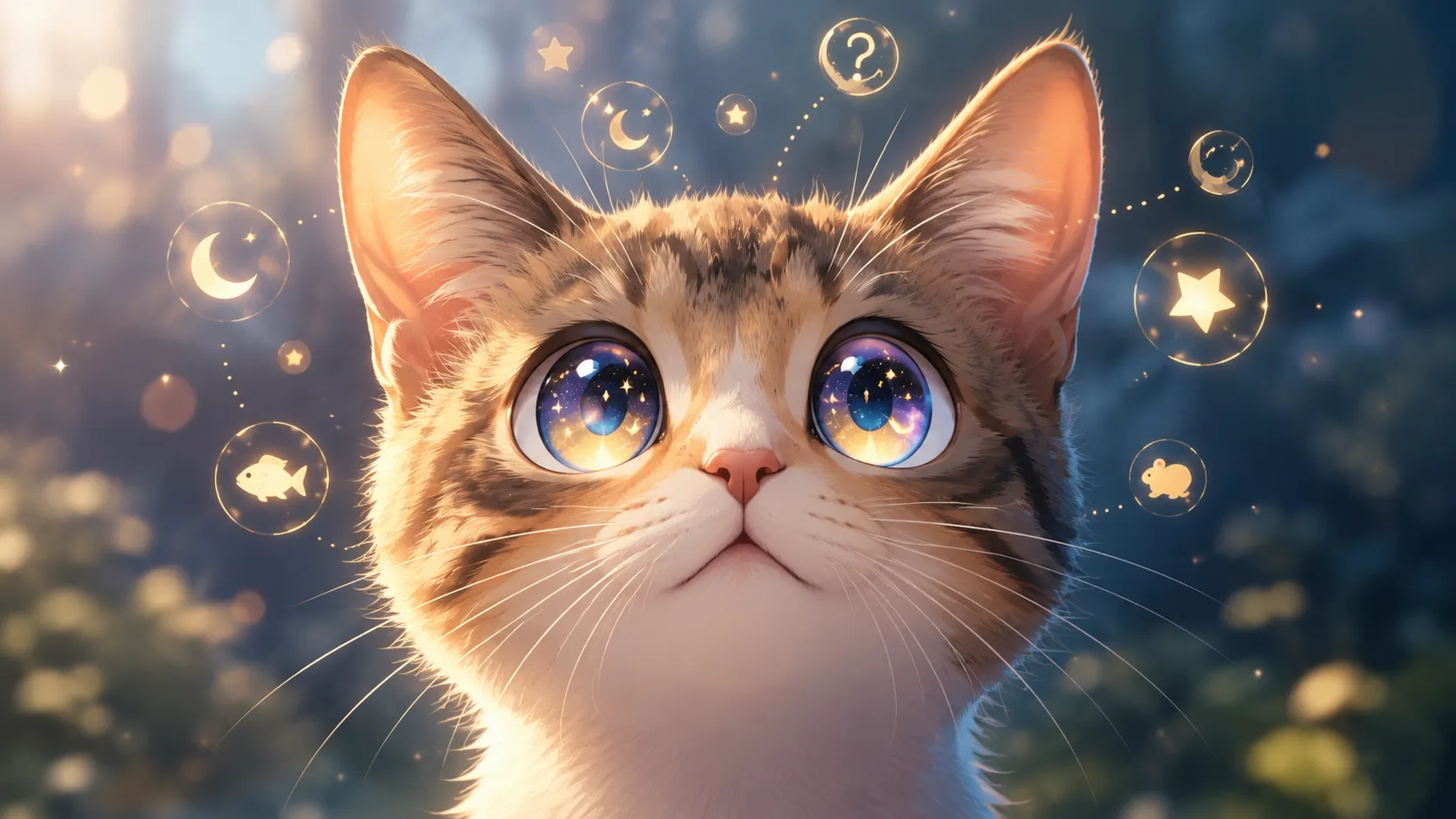
Cats communicate in fascinating ways. Some flick their tails like tiny warning flags, others flatten their ears when annoyed, and many use their eyes as emotional billboards. One of the clearest visual clues a cat gives is the size of its pupils. Those dramatic black circles can widen suddenly during play, shrink into narrow slits in bright sunlight, or stay enlarged when something is wrong.
A cat’s eyes are not just beautiful; they are deeply connected to survival, emotion, and health. Dilated pupils can reveal excitement, fear, hunting focus, pain, or even serious medical conditions. Learning to read these subtle changes helps owners understand what their cats may be experiencing in real time.
Veterinary sources explain that pupil dilation, also known as mydriasis, is often a normal response to darkness, excitement, or fear. However, persistent or uneven dilation may signal underlying eye disease, nerve problems, high blood pressure, or neurological conditions.
How Cat Eyes Are Designed for Survival
Cats are natural predators, and their eyes are engineered with incredible efficiency. While humans rely heavily on color and daylight clarity, cats evolved to hunt during dawn and dusk when visibility is low. Their eyes act like high-performance cameras capable of adjusting rapidly to changing environments. This is one reason their pupils appear so dramatic compared to ours. A cat’s pupil can transform from a thin vertical slit into a large dark circle within seconds.
Why Cats Have Vertical Pupils
The vertical slit shape is not just visually striking; it serves a real survival purpose. Research into feline vision shows that slit-shaped pupils allow cats to judge distance more accurately while hunting prey close to the ground. This helps them calculate pouncing distance with remarkable precision. In low light, the pupils widen significantly to allow maximum light entry, giving cats their famous nighttime vision advantage.
Unlike humans, whose pupils only expand moderately, cats can expand their pupils enormously. Veterinary experts explain that this extreme dilation helps them gather available light efficiently in dark settings. Imagine opening curtains completely in a dim room to capture every possible ray of sunlight; that is essentially what a cat’s eyes are doing.
How the Iris Controls Light Intake
The iris acts like a flexible curtain surrounding the pupil. Tiny muscles inside the iris expand or contract depending on environmental conditions and emotional states. When a room becomes darker, the muscles pull the pupil open. When bright sunlight appears, the pupil narrows quickly to protect sensitive retinal structures from excessive light exposure.
This automatic response is controlled by the nervous system. Emotional triggers like excitement, fear, or stress can activate the sympathetic nervous system, which also causes pupil dilation. That means your cat’s eyes are responding not only to the environment but also to internal emotional changes. The eyes become a direct reflection of what is happening in the brain and body simultaneously.
How a Cat’s Eyes Respond to Changes in Light
One of the most common reasons for dilated pupils is simply lighting conditions. Cat owners often notice large pupils at night and become worried, but in most cases this is completely normal. Cats are designed to navigate low-light environments with precision, and their pupils adjust accordingly.
Dilated Pupils in Dark Environments
When light levels decrease, a cat’s pupils open dramatically to maximize visual input. This adaptation gives cats excellent night vision and helps them detect even tiny movements in dim spaces. It is the reason your cat can confidently sprint across a dark hallway at 2 a.m. while you would probably bump into furniture.
Veterinary ophthalmology sources describe the pupil as the “gateway” that controls how much light reaches the retina. In darkness, the gateway widens. The change can happen so quickly that owners sometimes think something is wrong, especially if they suddenly turn on a lamp and see huge black pupils staring back at them.
Cats also have a reflective eye layer called the tapetum lucidum. This structure reflects incoming light back through the retina, enhancing vision in darkness. Combined with large pupils, this creates the glowing-eye effect commonly seen in photographs.
Why Bright Light Causes Constricted Pupils
In bright environments, the opposite happens. Pupils shrink into narrow slits to reduce the amount of incoming light. This protects the retina from overstimulation and sharpens visual detail. It is similar to squinting on a sunny day.
If your cat’s pupils remain very large even under strong lighting, it may indicate an abnormal response. Persistent dilation that does not react to light can signal illness, pain, or nerve dysfunction. Experts note that unresponsive pupils should always be evaluated by a veterinarian because they may indicate serious underlying conditions.
Excitement, Play, and Heightened Focus Explained
Not every case of dilated pupils is related to danger or illness. Some of the most adorable moments in cat behavior involve wide-eyed excitement. If you have ever waved a feather toy and watched your cat suddenly transform into a miniature tiger, you have witnessed this response firsthand.
Hunting Instincts and Predatory Focus
Cats are wired to hunt. Even indoor cats retain powerful predatory instincts that activate during play. When stalking a toy or preparing to pounce, pupils often widen dramatically. This dilation helps improve visual focus and depth perception while adrenaline increases alertness.
You may notice your cat crouching low with wide pupils, twitching whiskers, and a rapidly swishing tail. In this state, the brain is fully locked onto a target. The world narrows into a single mission: capture the prey. It does not matter if the “prey” is a toy mouse or a stray sock sliding across the floor.
Behavior experts explain that dilated pupils during play are a natural expression of excitement and concentration. It is essentially the feline equivalent of an athlete mentally preparing for a sprint.
The “Zoomies” and Adrenaline Response
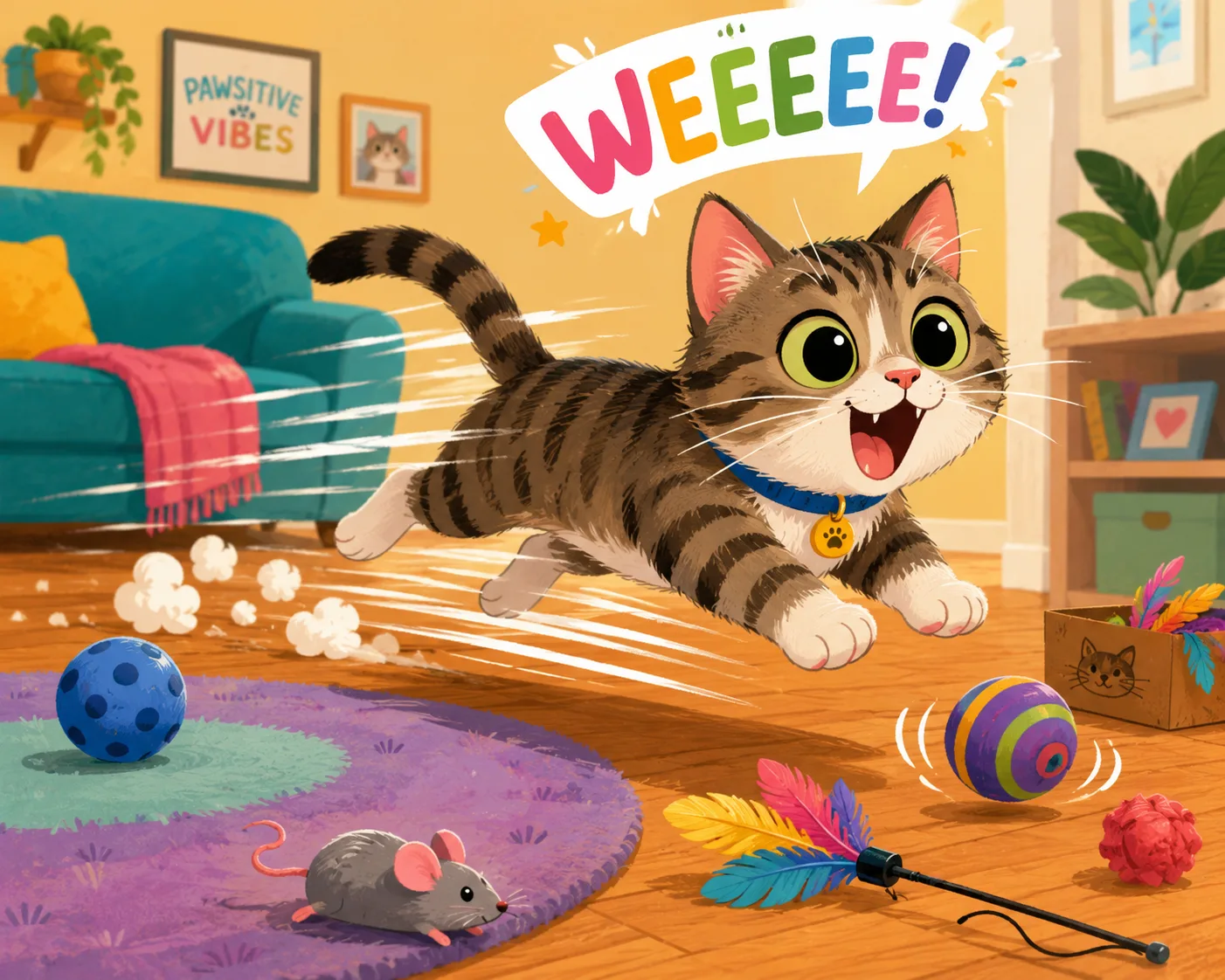
Cats often experience sudden bursts of hyperactivity known informally as the “zoomies.” During these moments, pupils may become enormous because adrenaline surges through the body. The nervous system switches into high-energy mode, increasing alertness and physical responsiveness.
This behavior is especially common in kittens and young cats. They sprint through rooms, leap onto furniture, and skid across floors like tiny furry race cars. While hilarious to watch, it is also biologically meaningful. These energetic episodes help cats practice hunting skills and burn excess energy.
Large pupils during excitement are usually temporary. Once the play session ends and the cat relaxes, the pupils should gradually return to normal size.
Read Also: Why Do Cats Tap Their Tails While Lying Down
Fear and Stress Signals Hidden in the Eyes
Dilated pupils can also reveal emotional distress. Cats are highly sensitive animals, and even small environmental changes may trigger anxiety. Loud noises, unfamiliar visitors, aggressive pets, or veterinary visits can all activate fear responses.
Fight-or-Flight Reactions in Cats
When a cat feels threatened, the body releases stress hormones like adrenaline. This activates the fight-or-flight system, causing pupils to widen. From a survival perspective, larger pupils help the cat gather more visual information quickly during dangerous situations.
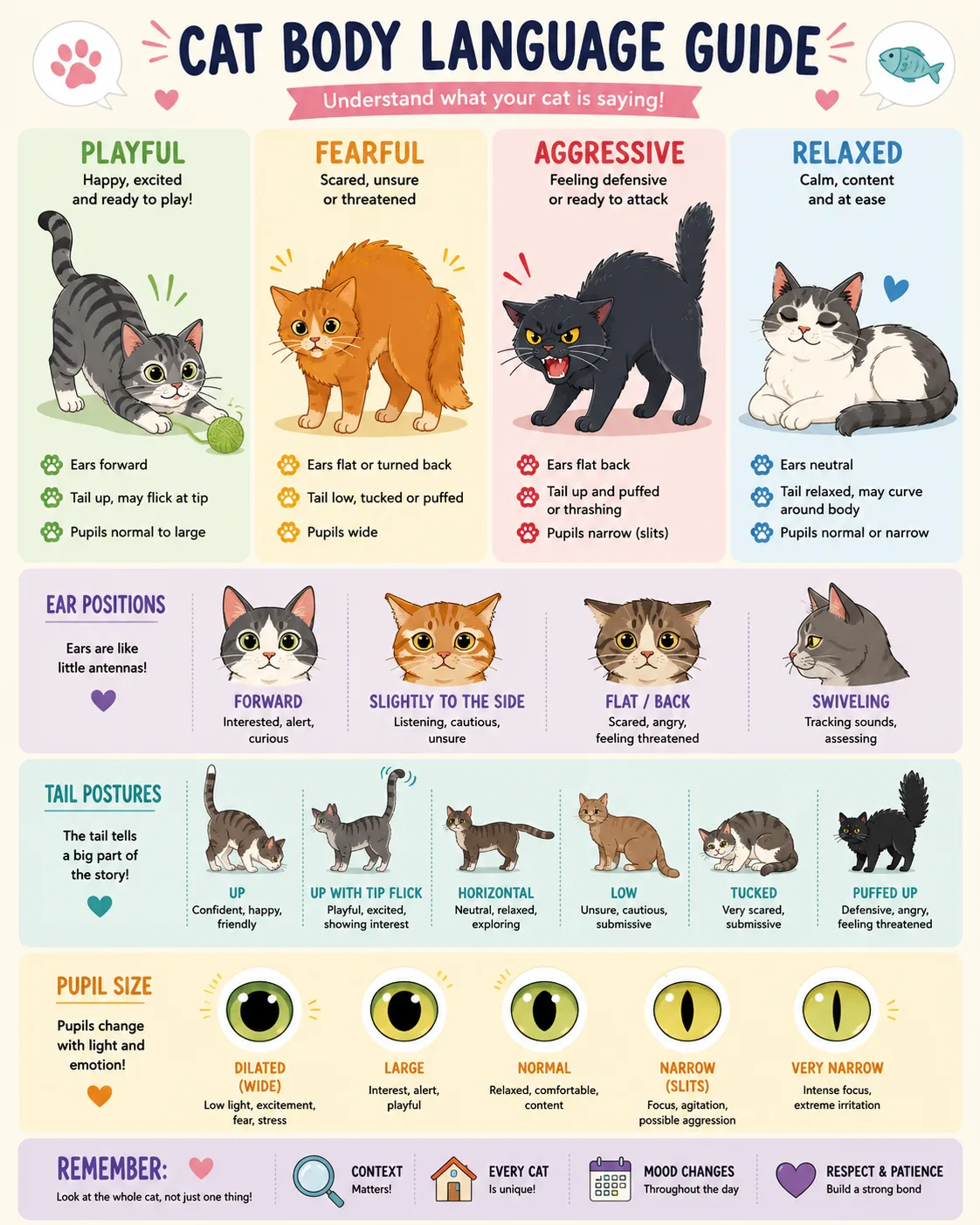
A frightened cat may also display flattened ears, puffed fur, crouched posture, and a tense tail. The pupils alone do not tell the entire story, but combined with body language they create a clearer emotional picture.
Veterinary sources confirm that fear and alarm commonly trigger temporary pupil dilation in otherwise healthy cats. The response is usually short-lived once the stressful trigger disappears.
Explore Further: Why Does Your Cat Stick Out His Tongue During the Day
Recognizing Anxiety Through Body Language
Reading feline stress requires observing the whole body. A relaxed cat with dilated pupils during play looks very different from a terrified cat hiding under a bed. Context changes everything.
Here is a quick comparison:
| Situation | Typical Body Language | Pupil Appearance |
|---|---|---|
| Playfulness | Loose posture, tail twitching, playful pouncing | Wide but lively pupils |
| Fear | Flattened ears, crouching, hiding | Very large tense pupils |
| Aggression | Stiff posture, hissing, arched back | Dilated with intense stare |
| Relaxation in darkness | Calm body, slow blinking | Naturally enlarged pupils |
Owners who learn these patterns become much better at understanding what their cats need emotionally.
Related Articles: Why Is Your Cat Being So Clingy
Pain and Discomfort as a Cause of Dilated Pupils
Pain is one of the most overlooked causes of pupil dilation in cats. Unlike dogs, cats are experts at hiding discomfort. In the wild, appearing weak could attract predators, so cats evolved to mask illness remarkably well.
Why Pain Triggers Eye Changes
Pain activates stress pathways in the nervous system. When this happens, adrenaline levels rise and pupils dilate automatically. The challenge is that cats may not cry, limp, or visibly complain the way humans do. Sometimes the eyes become the first clue that something is wrong.
Conditions ranging from arthritis and dental disease to internal injuries can trigger persistent dilation. Veterinary experts emphasize that unexplained large pupils may represent a “silent cry for help.”
For example, a cat with severe tooth pain may continue eating normally but develop large pupils and withdrawn behavior. Another cat with abdominal discomfort may sit hunched quietly while its eyes remain unusually wide.
Behavioral Clues That Suggest Illness
Pain-related dilation often appears alongside subtle behavioral changes, including:
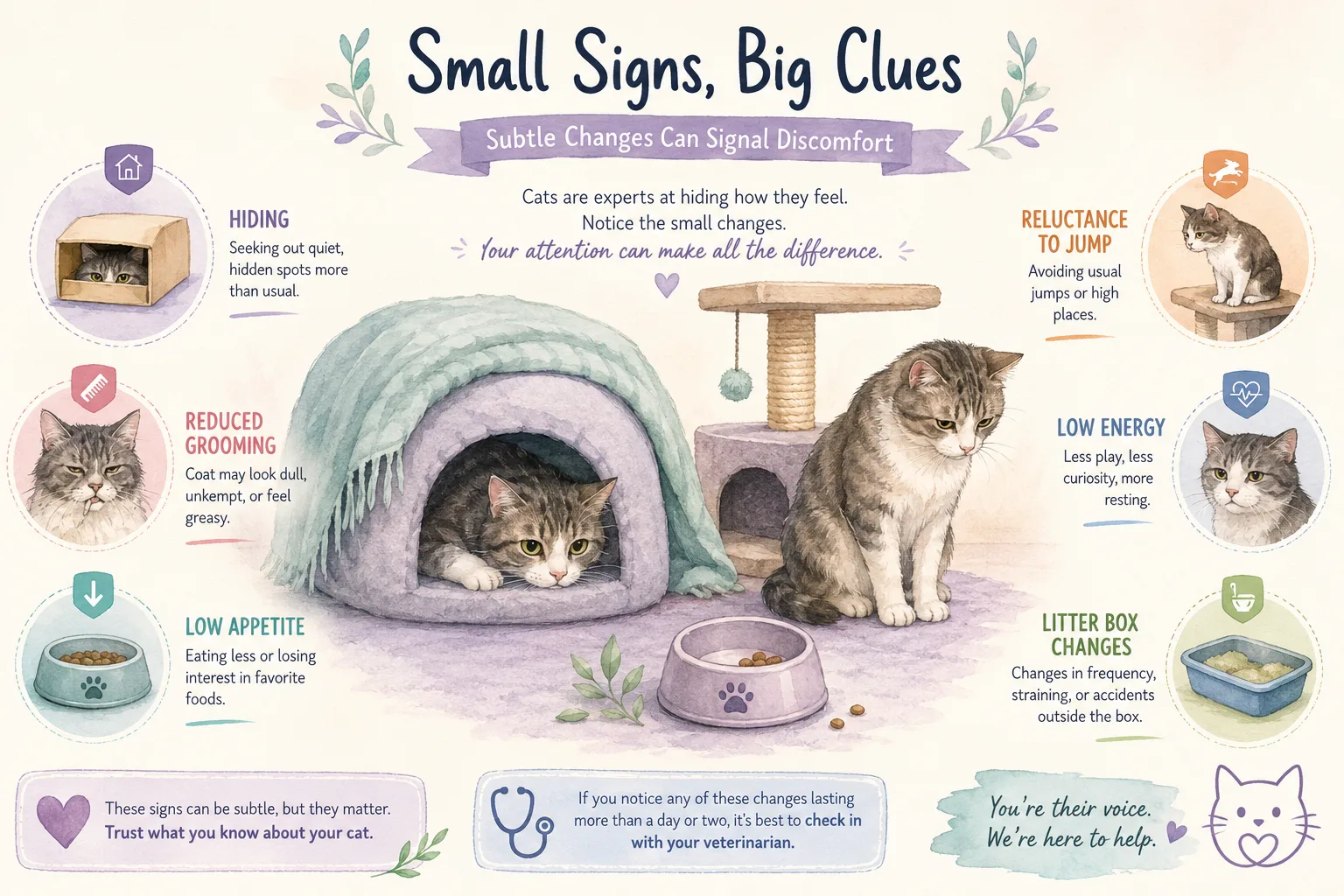 Reduced appetite
- Hiding more often
- Sudden aggression when touched
- Reduced grooming
- Sleeping excessively
- Reluctance to jump
These clues matter because cats rarely express pain dramatically. Observant owners often notice “something feels off” before obvious symptoms emerge. Paying attention to the eyes can help detect problems earlier.
Medical Conditions That Can Affect Pupil Size
Sometimes dilated pupils are not emotional at all. They may indicate serious health conditions affecting the eyes, nervous system, or circulation.
High Blood Pressure and Vision Problems
High blood pressure, also called hypertension, is a major concern in older cats. It frequently develops secondary to kidney disease or hyperthyroidism. According to veterinary sources, elevated blood pressure can damage the retina and lead to sudden blindness.
Cats experiencing retinal damage may develop persistently dilated pupils that no longer respond normally to light. Owners sometimes notice their cat bumping into furniture or becoming disoriented overnight.
One alarming aspect of feline hypertension is how quietly it develops. A cat may appear normal until vision changes suddenly occur. That is why routine veterinary checkups become increasingly important as cats age.
Glaucoma, Retinal Disease, and Neurological Disorders
Several eye diseases directly affect pupil behavior:
| Condition | Possible Symptoms |
|---|---|
| Glaucoma | Dilated pupils, eye pain, redness, blindness |
| Retinal disease | Vision loss, nonresponsive pupils |
| Uveitis | Squinting, inflammation, abnormal pupil shape |
| Neurological disorders | Uneven pupils, confusion, coordination problems |
Glaucoma deserves particular attention because it can progress rapidly and cause permanent blindness. Veterinary experts warn that enlarged nonresponsive pupils combined with eye redness or cloudiness require urgent medical evaluation.
Neurological conditions affecting the brain or nerves may also disrupt pupil control. Since the nervous system regulates dilation, injuries or disease affecting those pathways can produce abnormal eye responses.
Reading Dilated Pupils Alongside Other Body Language
Focusing only on the eyes can be misleading. Cats communicate using an entire orchestra of signals. The pupils are just one instrument in a much larger performance.
Tail, Ears, and Whisker Position
A cat’s tail position often reveals emotional tone instantly. A relaxed upright tail paired with wide pupils may indicate excitement or curiosity. A puffed tail combined with large pupils usually signals fear or defensive aggression.
Ears provide equally valuable information. Forward-facing ears suggest interest or engagement, while flattened ears suggest stress or fear. Whiskers also shift dramatically depending on mood. Forward whiskers often appear during hunting focus, while pulled-back whiskers may indicate anxiety.
Reading these signals together creates a much more accurate interpretation than relying on pupil size alone.
Vocalization and Movement Patterns
Movement patterns also matter. A playful cat with dilated pupils may sprint toward toys enthusiastically. A fearful cat may freeze completely or slink away cautiously.
Vocal sounds can add another layer of meaning:
- Chirping may indicate excitement
- Growling suggests defensive tension
- Yowling may indicate pain or distress
- Silence combined with hiding can signal fear
Cats communicate in layers. The more signals you observe together, the clearer the message becomes.
When Uneven or Persistent Dilation Requires Attention
One of the most important things cat owners should know is that uneven pupils are never something to casually ignore.
Understanding Anisocoria
The term anisocoria describes pupils that are different sizes. Veterinary experts consider this a potentially serious medical issue requiring prompt evaluation.
Anisocoria can result from:
- Eye trauma
- Glaucoma
- Nerve dysfunction
- Brain injury
- Infection
- Retinal disease
In some cases, the condition appears suddenly and may be accompanied by blindness or disorientation. Reddit discussions from cat owners frequently describe frightening episodes involving sudden uneven pupils and temporary vision changes.
Check Related: Why Does Your Cat Drink Toilet Water Instead of Fresh Water
Read More: Why Does a Cat Throw Up After Eating
Emergency Signs Cat Owners Should Never Ignore
Seek immediate veterinary attention if dilated pupils occur alongside:
- Blindness
- Eye redness
- Cloudiness
- Head tilt
- Seizures
- Sudden behavior changes
- Nonresponsive pupils
- Unequal pupil sizes
Fast treatment can sometimes preserve vision and prevent permanent damage. Delaying care may reduce treatment options significantly.
What Your Cat May Be Communicating in the Moment
Cats live intensely in the present moment. Their eyes constantly adapt to the environment, emotions, and physical sensations around them. Dilated pupils are not a fixed diagnosis; they are a snapshot of what the cat may be experiencing right now.
Context Matters More Than a Single Signal
A cat chasing a toy with giant pupils is probably thrilled. A cat crouched under a couch with giant pupils may be terrified. A senior cat with permanently enlarged pupils and vision problems may need urgent medical attention.
The context surrounding the eye changes is what gives them meaning. This is why experienced cat owners learn to observe patterns rather than isolated symptoms.
Building a Stronger Bond Through Observation
Watching your cat closely strengthens communication and trust. Over time, owners begin recognizing subtle emotional shifts almost instinctively. They notice the playful sparkle before a pounce, the nervous widening during thunderstorms, or the unusual stillness that hints at discomfort.
Cats cannot speak with words, but they constantly communicate through posture, movement, and eyes. Learning this silent language creates a deeper connection between humans and their feline companions.

Continue Reading: What It Means When Cats Rub Against You
Conclusion
Dilated pupils in cats can mean many different things, ranging from completely normal excitement to serious medical emergencies. In many situations, enlarged pupils simply reflect low lighting, playful focus, or temporary emotional arousal. Cats naturally widen their pupils while hunting toys, exploring dark spaces, or reacting to sudden stimulation.
The real key lies in context. Persistent dilation, nonresponsive pupils, or uneven pupil sizes may indicate pain, high blood pressure, glaucoma, retinal disease, or neurological problems. Observing additional body language clues; such as ear position, tail movement, posture, and vocalization; helps owners understand what their cats may be communicating emotionally and physically.
A cat’s eyes are more than beautiful features. They are windows into mood, instinct, and health. Paying attention to those subtle changes can help owners respond with reassurance, play, comfort, or medical care exactly when it matters most.
FAQs
1. Is it normal for a cat’s pupils to dilate during play?
Yes. Cats commonly develop large pupils during play because excitement and hunting instincts activate adrenaline and increase focus. This temporary dilation is usually harmless.
2. Why do my cat’s pupils stay large even in bright light?
Persistent dilation in bright light may indicate illness, pain, nerve dysfunction, or eye disease. A veterinary examination is recommended if the pupils do not respond normally to light changes.
3. What does it mean if one pupil is bigger than the other?
Uneven pupil sizes, called anisocoria, can signal serious medical conditions involving the eyes or nervous system. Veterinary experts consider sudden anisocoria a medical concern requiring prompt attention.
4. Do cats dilate their pupils when scared?
Absolutely. Fear activates the fight-or-flight response, releasing adrenaline that causes the pupils to widen. Flattened ears and crouching posture often accompany this reaction.
5. Can stress alone cause dilated pupils in cats?
Yes. Stressful situations such as loud noises, unfamiliar visitors, or veterinary visits can temporarily enlarge a cat’s pupils. The pupils should usually return to normal once the cat relaxes.

Dorian Keene is an American content writer and blogger based in Boise, Idaho. At 31 years old, he has spent several years researching and writing practical, well-sourced articles focused on consumer guides, digital trends, and lifestyle topics. His experience working with online publications has helped him develop a clear, trustworthy writing style that prioritizes accuracy and reader value. As a contributor to furrylogic.online, he is committed to creating informative content that reflects careful research, real-world insights, and dependable editorial standards.