
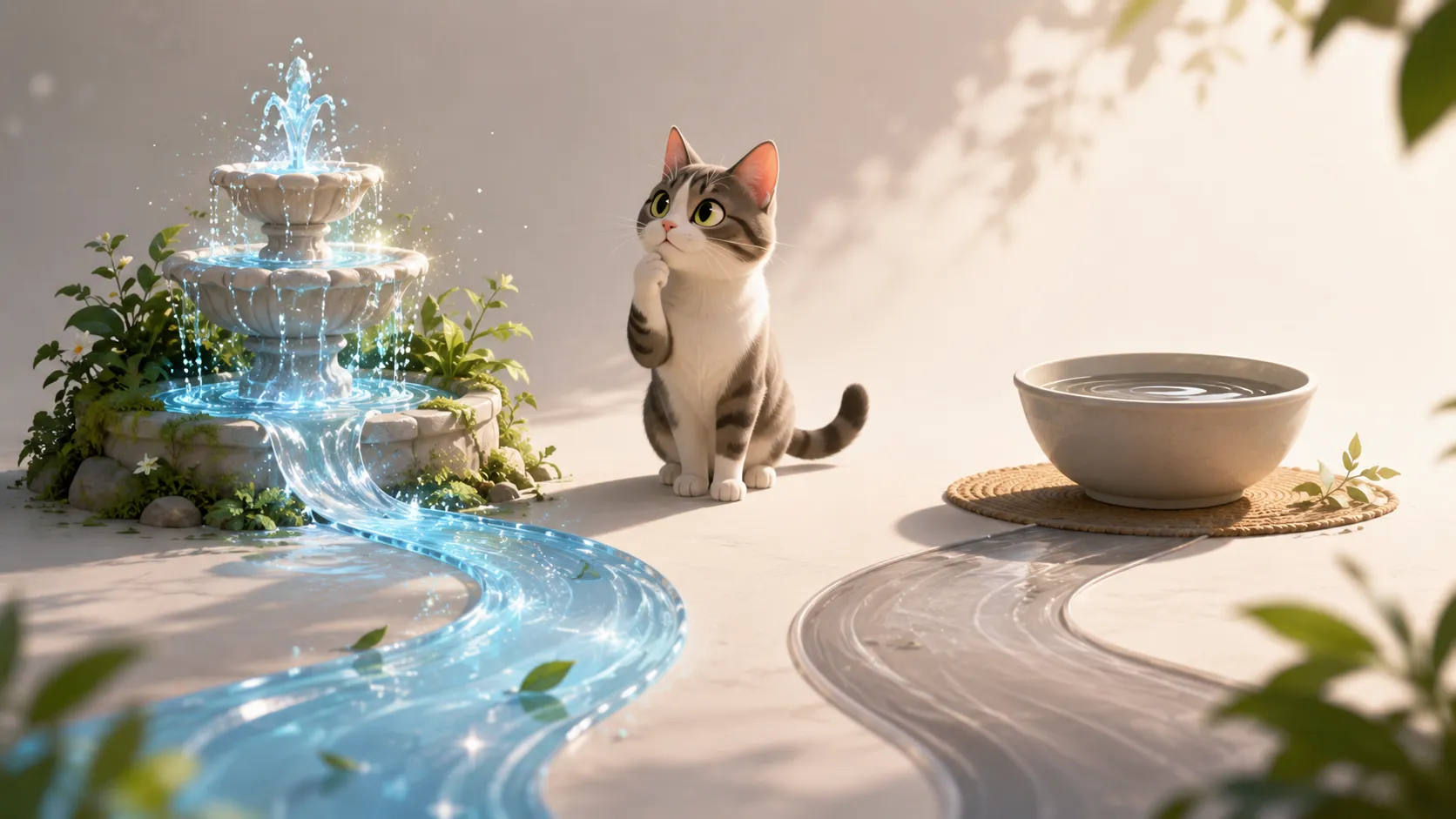
Cats are mysterious little creatures. One moment they’re ignoring the expensive filtered water fountain you bought, and the next they’re balancing on the edge of the toilet bowl like it’s the finest spring in the mountains. If you’ve ever walked into the bathroom and caught your cat drinking toilet water, you probably felt equal parts disgusted, confused, and concerned. Why would a pet with fresh water available choose the toilet instead?
The truth is, cats often have surprisingly specific preferences when it comes to hydration. Temperature, freshness, bowl placement, instinctive behavior, and even medical conditions can influence where and how they drink water. In some cases, toilet drinking is simply a quirky feline preference. In others, it can point toward dehydration or underlying health issues that deserve attention.
Recent veterinary guidance shows that unusual drinking habits in cats should never be ignored completely, especially if accompanied by excessive thirst, weight loss, or changes in urination. Understanding the motivation behind the behavior is the first step toward helping your cat stay healthy and hydrated without turning your bathroom into their favorite café.
Why Toilets Seem So Attractive to Cats
At first glance, toilet water seems like the worst possible beverage choice for a cat. It’s unsanitary, potentially contaminated, and definitely not something pet owners want to encourage. Yet many cats are irresistibly drawn to it. The reason often comes down to one surprisingly simple factor: cats are extremely picky about water quality.
The Appeal of Cool and Fresh Water
Toilet water is often cooler than the water sitting in a bowl all day. Cats instinctively prefer cool, oxygen-rich water because it feels fresher. Think about how humans gravitate toward cold water from the refrigerator instead of lukewarm water left in a glass overnight. Cats experience a similar preference, but with much stronger instincts guiding them.
Veterinary experts note that stagnant water can quickly become unappealing to felines, especially if dust, food particles, or fur collect in the bowl. A toilet bowl, oddly enough, gets replenished regularly through flushing, which may signal “freshness” to your cat. The swirling movement after flushing can also attract attention because cats are naturally fascinated by moving water.
Some cats are even sensitive to the taste of certain bowls. Plastic bowls, for example, can absorb odors and bacteria over time, subtly changing the water’s smell. A porcelain toilet bowl may actually smell cleaner to your cat than a poorly washed plastic dish. Strange? Absolutely. But feline logic doesn’t always align with human expectations.
Why Cats Often Dislike Stagnant Water Bowls
Cats evolved from desert-dwelling ancestors that instinctively avoided stagnant water because still water in the wild often carried bacteria. Modern house cats still retain parts of that survival instinct. Water that sits beside food bowls for hours can become suspicious in their minds.
Many cat owners unknowingly place water bowls in locations cats dislike. Loud laundry rooms, crowded corners, or spots near litter boxes can make cats uncomfortable while drinking. Toilets, on the other hand, are usually in quiet bathrooms where cats feel secure and undisturbed.
Interestingly, many Reddit cat owners report that their cats ignore expensive fountains yet obsess over toilet water because of the bowl’s temperature and depth. That doesn’t mean the behavior is healthy, but it highlights how particular cats can be about hydration sources.
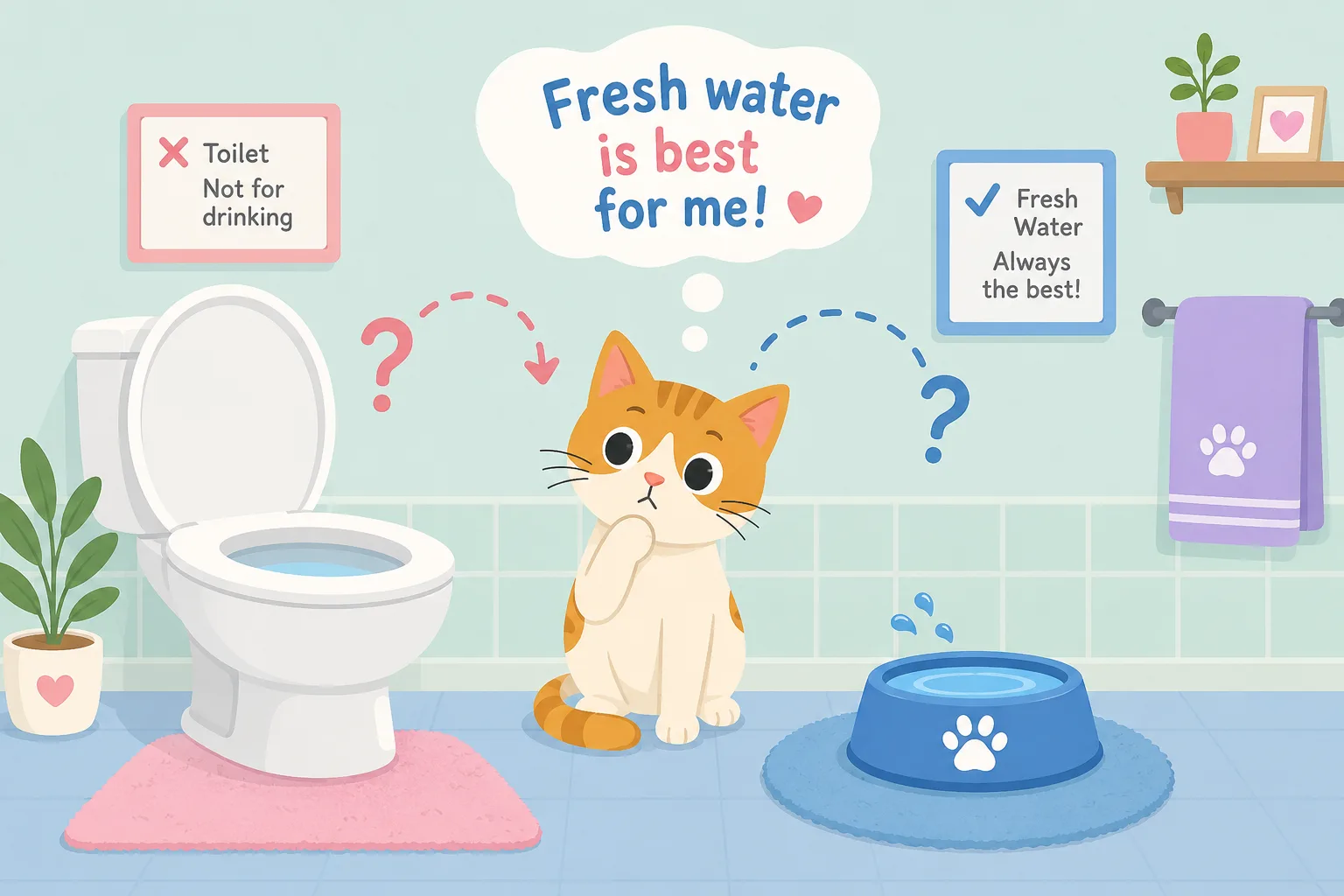
Understanding Natural Feline Water Preferences
Cats are not naturally enthusiastic drinkers compared to dogs. In fact, many felines get a large portion of their hydration from food rather than standing water. Understanding their biological background explains a lot about why they develop unusual drinking habits.
Instincts Passed Down From Wild Ancestors
Domestic cats descended from desert predators that survived by consuming prey rich in moisture. Unlike dogs, they didn’t evolve around drinking large amounts of water throughout the day. Their bodies became highly efficient at conserving fluids, which is why many cats seem to drink surprisingly little.
This evolutionary history creates a strange contradiction. Cats require hydration to stay healthy, yet they often don’t have a strong thirst drive. As a result, they rely heavily on environmental cues to determine whether water is safe and appealing.
Running or refreshed water signals cleanliness. Stagnant water may signal contamination. From a survival standpoint, toilet water can accidentally mimic the traits cats instinctively prefer, especially if their regular bowl isn’t maintained properly.
Why Running Water Fascinates Cats
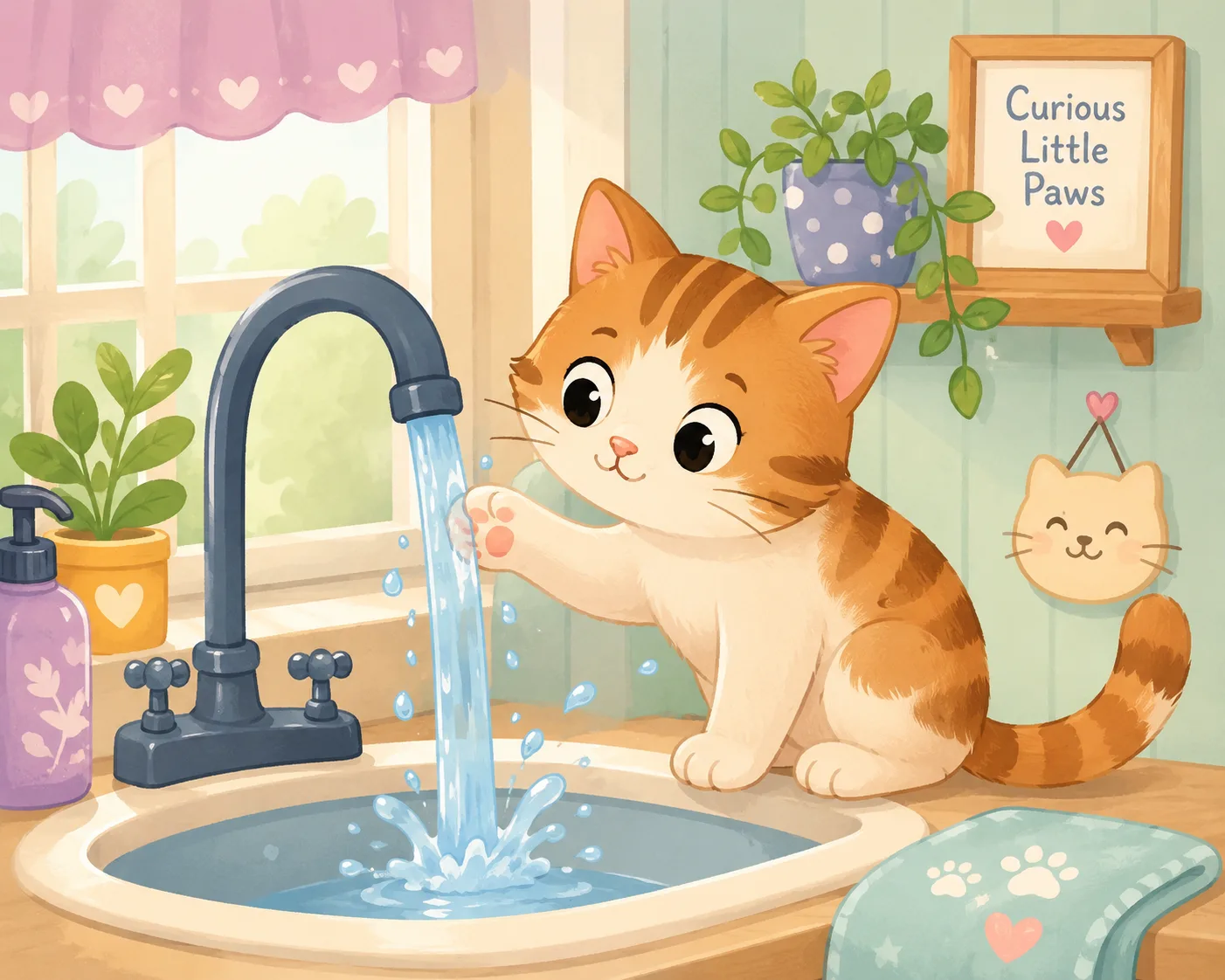
Ever noticed your cat pawing at faucets or staring at dripping sinks? That behavior is deeply rooted in instinct and curiosity. Moving water reflects light, produces sound, and appears fresher than still water. Many cats are visually stimulated by movement, which explains why flushing toilets become so interesting.
Pet behavior specialists also suggest that some cats enjoy the elevated position of drinking from toilets. It gives them a better vantage point and a sense of security while they hydrate. In the wild, vulnerable moments like drinking required heightened awareness of predators. Even indoor cats retain pieces of that instinct.
Cat fountains have become popular partly because they imitate this natural preference for motion and freshness. Veterinary recommendations increasingly support fountains as a practical hydration solution, particularly for cats prone to dehydration or urinary issues.
Could Your Cat Be Dehydrated?
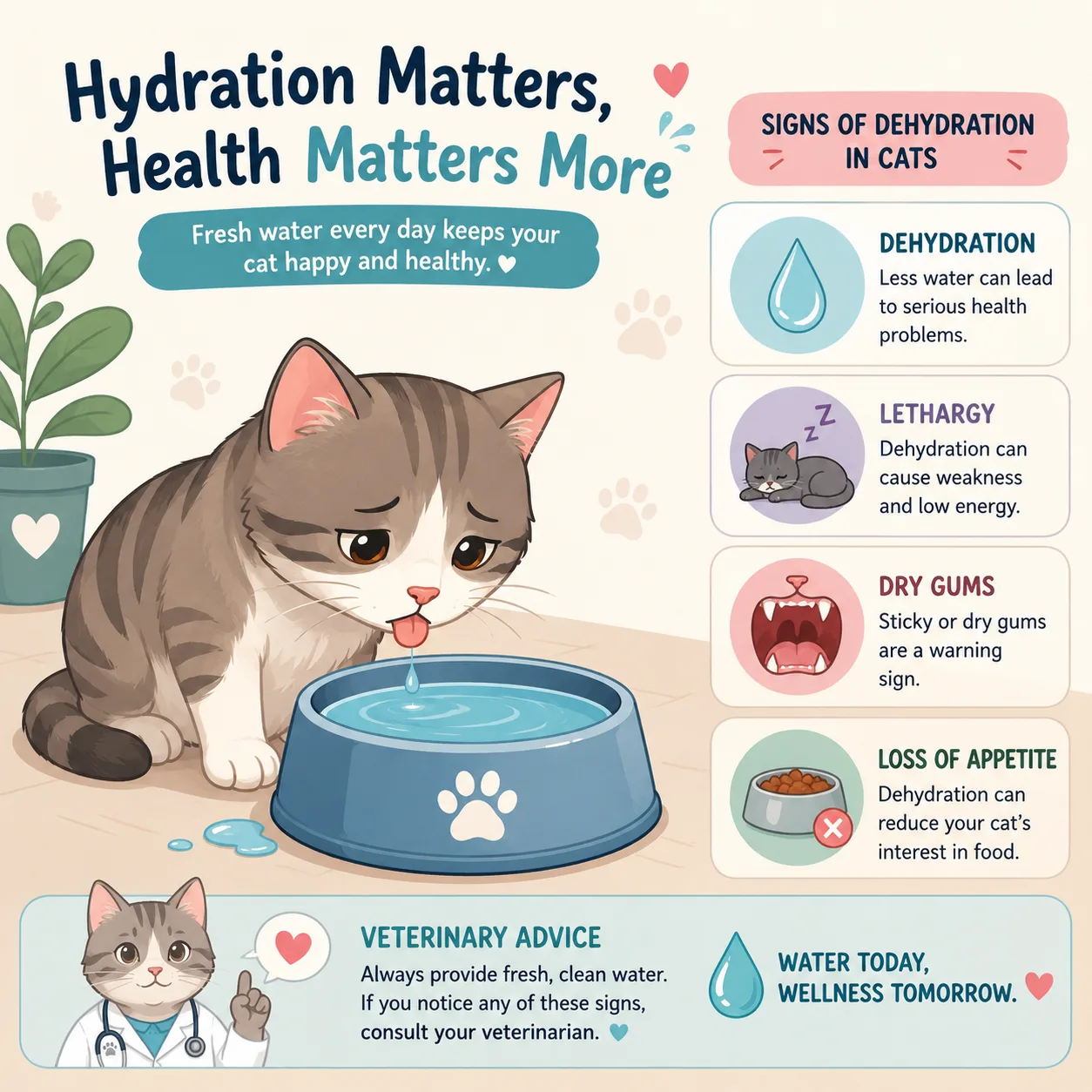
Sometimes toilet drinking is harmless curiosity. Other times, it’s a warning sign that your cat isn’t getting enough water elsewhere. Dehydration can sneak up on cats quickly because they naturally consume small amounts throughout the day.
Signs of Mild and Severe Dehydration
A mildly dehydrated cat may appear completely normal at first. You might only notice increased interest in unusual water sources like sinks, bathtubs, or toilets. As dehydration worsens, symptoms become more obvious and potentially dangerous.
Common signs include:
| Symptom | Possible Meaning |
|---|---|
| Dry gums | Reduced hydration |
| Sunken eyes | Moderate dehydration |
| Lethargy | Electrolyte imbalance |
| Constipation | Insufficient fluid intake |
| Skin tenting | Significant dehydration |
| Loss of appetite | Illness-related dehydration |
Veterinarians warn that dehydration can become severe within days if a cat stops drinking properly. Cats eating dry kibble diets are especially vulnerable because dry food contains very little moisture compared to wet food.
How Diet Influences Daily Water Intake
Wet food dramatically changes a cat’s hydration needs. Canned food often contains 70–80% moisture, while dry food may contain only 8–10%. That means cats eating primarily wet food may barely drink from bowls at all and still remain hydrated.
On the flip side, dry-food-fed cats usually need significantly more water intake. If their bowl water becomes stale or unappealing, they may seek alternatives like toilets. This is one reason many veterinarians encourage mixed feeding or adding water directly to wet food.
Some cat owners even stir extra water into pâté-style meals to increase hydration subtly. Online cat communities frequently discuss this strategy, especially for cats recovering from dehydration or urinary issues.
Health Conditions That Increase Water Consumption
If your cat suddenly becomes obsessed with drinking water, including toilet water, don’t dismiss it as a weird personality trait. Excessive thirst can signal several medical conditions, some of which require immediate veterinary care.
Kidney Disease in Older Cats
Chronic kidney disease is one of the most common causes of increased thirst in older cats. The kidneys gradually lose their ability to conserve water efficiently, causing cats to urinate more and drink more to compensate.
According to veterinary sources, increased water consumption is often one of the earliest noticeable symptoms. Owners may first realize something is wrong when litter box clumps become larger or water bowls empty unusually quickly.
Cats with kidney disease frequently seek out cooler, fresher water sources. That makes toilets particularly tempting. While the behavior itself isn’t diagnostic, a noticeable increase in thirst should always prompt veterinary evaluation, especially in senior cats.
Diabetes and Hormonal Disorders
Feline diabetes can also cause excessive thirst and urination. High blood sugar levels force the body to flush out extra glucose through urine, pulling water along with it. Cats with diabetes may suddenly begin drinking constantly, including from sinks, showers, or toilets.
Hyperthyroidism is another common condition in aging cats that increases thirst. These cats may also show weight loss, increased appetite, hyperactivity, or vomiting. Because the symptoms develop gradually, owners sometimes overlook them until drinking behavior becomes extreme.
Stress, Medication, and Environmental Causes
Not every thirsty cat is seriously ill. Hot weather, stress, dietary changes, and certain medications can temporarily increase water needs. Cats living in warm climates may naturally seek cooler water sources during hotter months.
Still, persistent excessive thirst should never be ignored. Veterinary professionals consistently recommend medical evaluation when drinking behavior changes noticeably or accompanies symptoms like lethargy, vomiting, or weight loss.
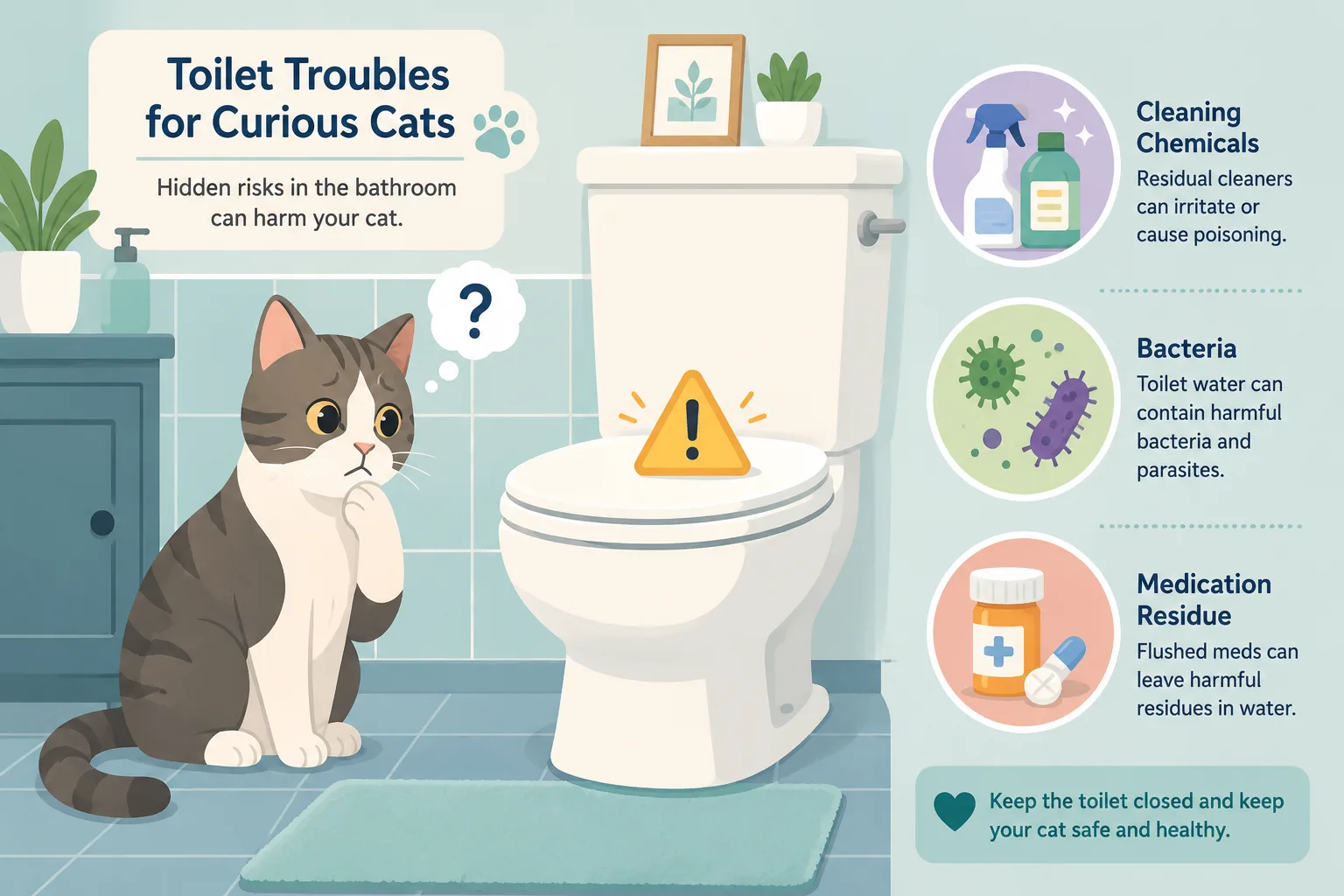
The Hidden Risks of Drinking Toilet Water
Even if your cat seems perfectly healthy, toilet water is not a safe long-term drinking source. Bathrooms contain several hazards that can seriously harm pets.
Dangerous Cleaning Chemicals
Toilet cleaning products pose one of the biggest dangers. Residue from bleach tablets, disinfectants, or bowl cleaners can remain in the water even after flushing. Ingesting these chemicals may cause mouth irritation, stomach upset, vomiting, drooling, or more severe internal injuries.
Veterinary toxicologists warn that undiluted cleaning agents are especially dangerous. Cats are smaller than dogs and more sensitive to many chemicals, meaning even small exposures can become problematic.
The challenge is that cats often drink from toilets when owners aren’t watching. You may not even realize exposure occurred until symptoms appear later.
Bacteria and Parasite Exposure
Toilet bowls contain bacteria regardless of how frequently they’re cleaned. Organisms such as E. coli, Salmonella, and Giardia may survive in bathroom environments. While healthy adult cats may tolerate occasional exposure, kittens, elderly cats, or immunocompromised pets face greater risks.
Bathrooms can also expose cats to aerosolized cleaning sprays and contaminants from human waste. Even a clean-looking toilet isn’t truly hygienic from a pet health perspective.
Risks From Human Medication Residue
Many people don’t realize that medications can leave trace residues in toilet water. Human urine may contain diluted medication compounds that enter the bowl after flushing. Though concentrations are typically low, repeated exposure is not ideal for pets.
Cats are especially sensitive to certain substances because of how their livers metabolize chemicals. Medications harmless to humans can become toxic to felines in surprisingly small amounts.
How to Encourage Better Hydration Habits
Stopping toilet drinking usually requires making your cat’s preferred drinking alternatives more appealing than the toilet itself. Simply closing the lid helps, but it doesn’t solve the underlying hydration preference.
Choosing the Right Water Bowl
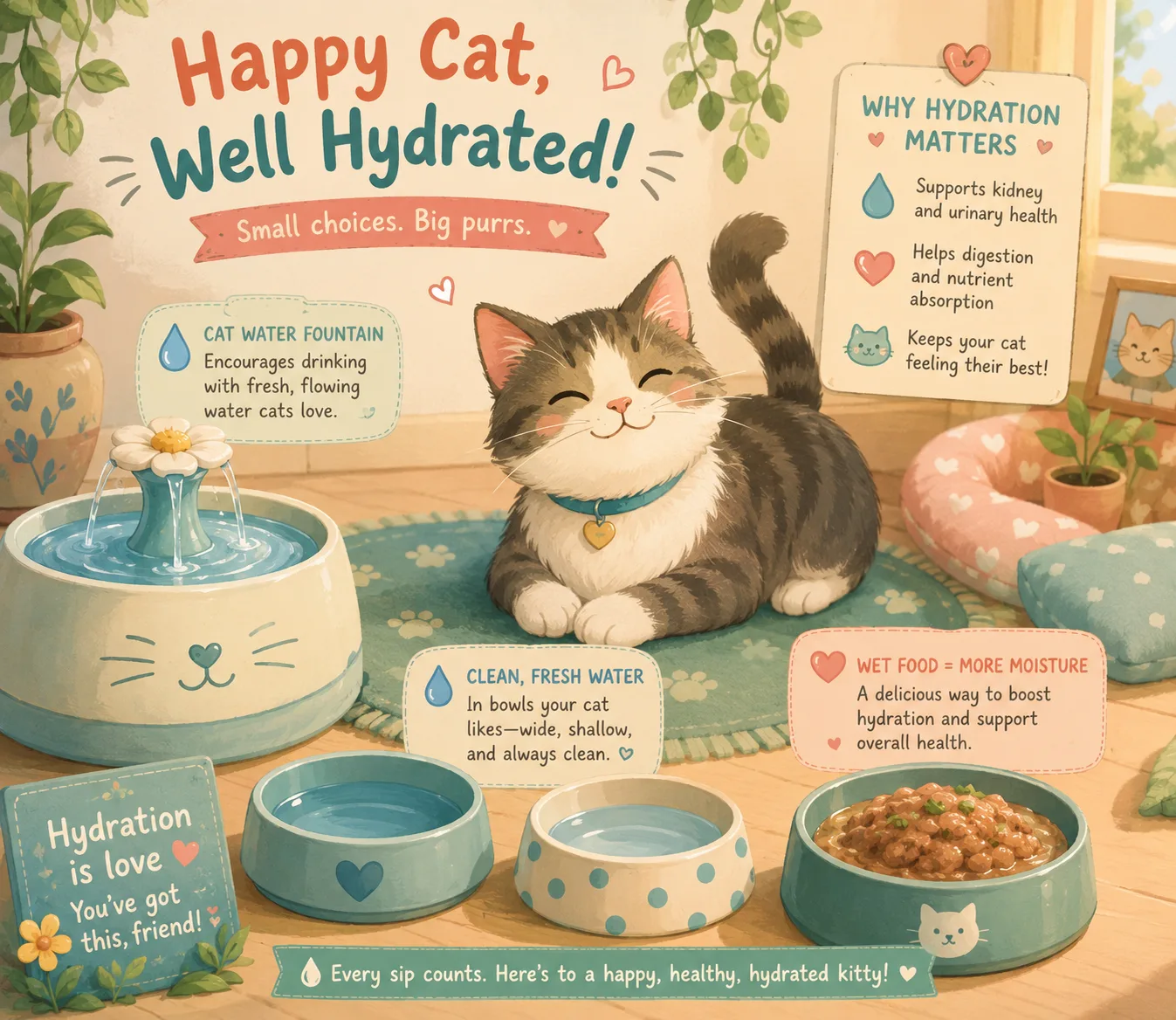
Bowl material matters more than many owners realize. Stainless steel and ceramic bowls are generally preferred because they resist odors and bacterial buildup better than plastic. Wide bowls are often more comfortable because they prevent whisker fatigue, a sensory discomfort some cats experience when whiskers touch bowl sides repeatedly.
Freshness is equally important. Water should ideally be changed at least once or twice daily. Cats notice stale water quickly, especially in warmer environments.
Using Cat Water Fountains Effectively
Water fountains can dramatically improve hydration for many cats because they mimic running water. The movement keeps oxygen circulating and often keeps the water cooler longer.
That said, not every cat immediately accepts fountains. Some require gradual introduction. Online discussions among cat owners reveal that placement, sound level, and fountain material can all influence success.
Experimentation may be necessary. Some cats prefer gentle bubbling fountains, while others like flowing streams. It’s a bit like discovering your cat’s favorite coffee order; unnecessarily complicated but oddly specific.
Strategic Water Bowl Placement
Cats often prefer water bowls placed away from food and litter boxes. In nature, water near prey or waste sources could indicate contamination. Splitting these areas up feels safer to many cats instinctively.
Place multiple water stations around the home, especially in quiet, low-traffic areas. Some cats drink more when bowls are elevated slightly or positioned near favorite resting spots.
Adding Moisture Through Wet Food
Increasing dietary moisture is one of the easiest ways to improve hydration. Wet food naturally boosts fluid intake without requiring cats to drink more directly.
Some owners add a tablespoon or two of warm water or low-sodium broth to meals for additional hydration support. Veterinarians often recommend this strategy for cats prone to urinary tract issues or mild dehydration.
When Increased Thirst Becomes a Medical Emergency
There’s a difference between a quirky cat and a sick cat. Knowing when thirst crosses the line into medical concern can protect your cat from serious complications.
Symptoms You Should Never Ignore
Seek veterinary attention if increased drinking accompanies:
- Weight loss
- Vomiting
- Diarrhea
- Weakness
- Loss of appetite
- Excessive urination
- Difficulty urinating
- Confusion
- Sudden behavioral changes
Male cats struggling to urinate require immediate emergency care because urinary blockages can become fatal rapidly.
When to Schedule a Veterinary Visit
A sudden increase in water consumption deserves monitoring even if your cat otherwise appears normal. Tracking litter box output, appetite, and energy levels can help your veterinarian identify potential issues early.
Veterinary professionals emphasize that early diagnosis dramatically improves outcomes for conditions like kidney disease and diabetes. What looks like a funny toilet obsession today could actually be your cat’s first cry for medical help.
Conclusion
Cats drink toilet water for a surprisingly wide range of reasons. Sometimes they simply prefer cooler, fresher, moving water. Other times, the behavior reflects instinctive preferences rooted in their wild ancestry. Environmental factors, bowl cleanliness, hydration habits, and medical conditions can all contribute to the attraction.
While occasional toilet sipping may not trigger an immediate crisis, it’s definitely not a healthy habit to encourage. Toilets expose cats to bacteria, cleaning chemicals, and other hidden dangers that can threaten their health over time. The safest approach is to make clean, appealing alternatives easier and more attractive for your cat to access.
Pay close attention to sudden changes in thirst. Cats are masters at hiding illness, and unusual drinking behavior can sometimes be one of the earliest clues that something isn’t right. By understanding your cat’s hydration preferences and supporting healthy drinking habits, you can keep both your pet and your bathroom a whole lot happier.
Frequently Asked Questions
Why does my cat prefer toilet water over clean bowl water?
Cats often prefer toilet water because it is cooler, fresher, and replenished regularly. Some also prefer the quiet bathroom environment or are attracted to moving water after flushing.
Is it dangerous if my cat drinks toilet water once?
An occasional sip is usually not life-threatening, but toilet water may contain bacteria, parasites, and cleaning chemical residue. Repeated drinking should be discouraged.
Can dehydration cause cats to drink from unusual places?
Yes. Dehydrated cats may seek alternative water sources like toilets, sinks, or bathtubs if their regular water supply feels unappealing or insufficient.
What diseases cause excessive thirst in cats?
Common causes include chronic kidney disease, diabetes, hyperthyroidism, and urinary tract disorders. Increased thirst paired with weight loss or lethargy requires veterinary attention.
How can I stop my cat from drinking toilet water?
Keep toilet lids closed, provide multiple fresh water stations, use stainless steel or ceramic bowls, consider a water fountain, and increase moisture through wet food.

Dorian Keene is an American content writer and blogger based in Boise, Idaho. At 31 years old, he has spent several years researching and writing practical, well-sourced articles focused on consumer guides, digital trends, and lifestyle topics. His experience working with online publications has helped him develop a clear, trustworthy writing style that prioritizes accuracy and reader value. As a contributor to furrylogic.online, he is committed to creating informative content that reflects careful research, real-world insights, and dependable editorial standards.