
Cats have a reputation for being mysterious little creatures. One minute they are purring in your lap, and the next they are crouched on the floor making that unmistakable gagging sound every cat owner dreads. A random hairball once in a while may not seem alarming, but daily vomiting is a different story altogether. When your cat starts throwing up every day, it is usually your pet’s way of waving a red flag that something deeper could be going on.
Veterinary experts note that chronic vomiting in cats is often linked to digestive disease, food intolerance, parasites, kidney disease, hyperthyroidism, inflammatory bowel disease, or even stress-related conditions. Occasional vomiting can happen, especially with hairballs, but repeated episodes should never be brushed aside as “just a cat thing.”
Before panic sets in, it helps to understand how to recognize patterns, what warning signs deserve urgent attention, and how veterinarians investigate chronic vomiting. The good news? Many causes are manageable once identified. Think of vomiting as your cat’s version of a smoke alarm. The sound is annoying, messy, and disruptive, but it exists for a reason. Ignoring it can allow a small problem to grow into a serious health issue.
Understanding Normal vs Abnormal Vomiting in Cats
When Hairballs Are Usually Harmless
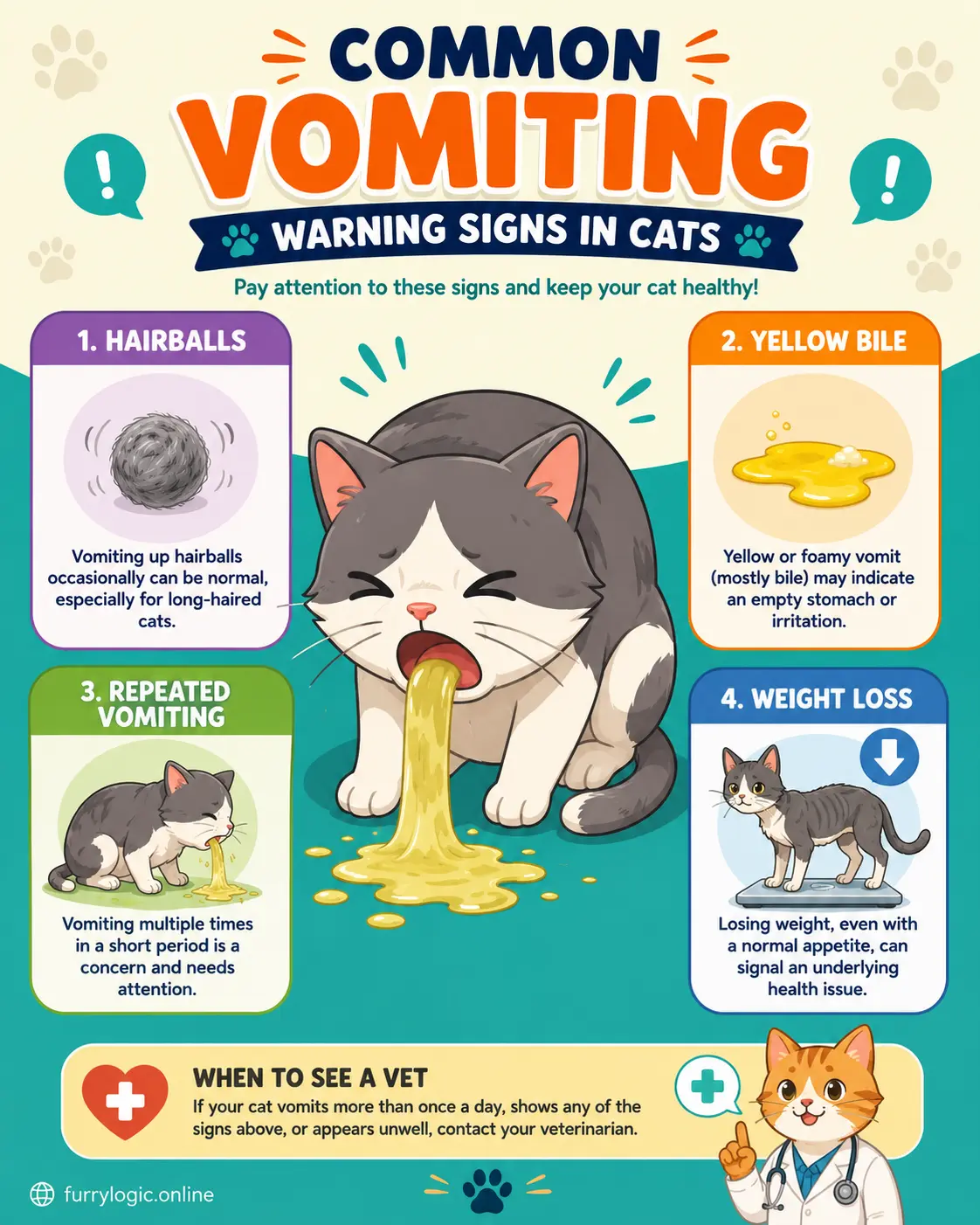
Most cat owners have cleaned up a hairball at least once. It practically comes with the territory of living with a feline. Cats groom themselves constantly, swallowing loose fur along the way. Usually, that fur passes through the digestive tract without drama, but sometimes it forms clumps that get vomited back up. An occasional hairball every few weeks or months, especially during heavy shedding seasons, is generally considered normal. Long-haired cats are especially prone to this issue because they simply ingest more fur during grooming.
The problem begins when hairballs become frequent or appear alongside other symptoms. Veterinarians explain that excessive hairball vomiting may indicate overgrooming, digestive dysfunction, or an inability of the gastrointestinal tract to move hair properly. Imagine your cat’s digestive system like a highway. A single slow-moving car might not matter, but constant traffic jams signal that something is interfering with normal flow.
Another clue lies in frequency. A cat coughing up one hairball every few months is very different from vomiting every day. Daily vomiting suggests the stomach or intestines are irritated repeatedly. That irritation could stem from inflammatory bowel disease, food intolerance, parasites, or systemic illnesses affecting digestion.
Pay attention to what actually comes up. True hairballs are tubular clumps of fur. If the vomit mostly contains food, bile, foam, or mucus, the issue may not be hairballs at all. Many owners mistakenly blame every vomiting episode on fur because it feels less scary than considering medical causes. Unfortunately, that assumption can delay diagnosis and treatment.
Why Daily Vomiting Is Not Considered Normal
One of the biggest myths in cat ownership is the idea that frequent vomiting is just part of feline life. Veterinary specialists strongly disagree. Chronic vomiting, especially episodes lasting more than three weeks, is considered abnormal and should be investigated.
Cats are masters at hiding discomfort. In the wild, showing weakness could make an animal vulnerable, so cats evolved to mask illness incredibly well. That means vomiting may be one of the earliest visible signs that something is wrong internally. By the time additional symptoms like weight loss or lethargy appear, the underlying disease may already be advanced.
Daily vomiting can gradually lead to dehydration, nutrient deficiencies, and inflammation throughout the digestive tract. Even if your cat still acts playful or eats normally, repeated vomiting stresses the body. Think of it like repeatedly hitting the reset button on digestion before nutrients can fully absorb.
Veterinary experts also emphasize that vomiting should be distinguished from regurgitation or coughing. Vomiting usually involves retching, abdominal contractions, and partially digested material. Regurgitation tends to happen passively right after eating and often involves undigested food. Coughing may produce foamy liquid and mimic vomiting entirely. Recording episodes on your phone can help veterinarians determine what is truly happening.
Patterns That Help Identify the Underlying Cause
Vomiting Right After Eating
Timing matters tremendously when evaluating chronic vomiting. Cats that vomit immediately after meals may be eating too quickly, regurgitating food, or struggling with esophageal issues. Some cats inhale meals like vacuum cleaners, especially in multi-cat households where competition creates anxiety around feeding time.
Fast eating can overwhelm the stomach and trigger regurgitation. The food often appears undigested and may retain its original shape. Puzzle feeders, slow-feeding bowls, and smaller meals spaced throughout the day can sometimes solve the problem surprisingly well.
Still, immediate vomiting is not always harmless. Obstructions, esophageal disorders, or food sensitivities can produce similar symptoms. If vomiting occurs after nearly every meal, veterinary evaluation becomes important. The digestive tract should function like a smooth conveyor belt. When food repeatedly comes right back up, the system is clearly malfunctioning somewhere.
Food allergies can also trigger vomiting shortly after meals. Cats may react to common proteins like chicken, beef, or fish. Some owners notice improvement after switching to novel protein diets such as rabbit or venison.
Vomiting Yellow Bile on an Empty Stomach
Yellow bile vomit often appears in the morning or after long periods without food. This pattern can suggest bilious vomiting syndrome, where stomach acid irritates the empty stomach lining. Some cats improve simply by eating smaller meals more frequently or receiving a bedtime snack.
Picture the stomach like a coffee pot left on a burner too long. Without food buffering the acid, irritation builds until the body expels bile to relieve discomfort. Although occasional bile vomiting may not indicate severe disease, persistent episodes still deserve attention.
Chronic bile vomiting can also appear alongside inflammatory bowel disease, pancreatitis, or liver conditions. Owners sometimes assume bile vomiting is minor because the cat continues eating afterward, but recurring stomach inflammation can gradually damage digestive health over time.
Stress may worsen these episodes as well. Cats thrive on routine, and disruptions in feeding schedules or household changes can trigger digestive upset. A cat experiencing anxiety may physically manifest that stress through vomiting.
Hairballs Mixed With Vomit
Hairballs mixed with vomit often create confusion because they blur the line between normal grooming behavior and medical concern. Cats naturally swallow hair, but excessive grooming or poor gastrointestinal motility can increase hair accumulation dramatically.
Overgrooming may stem from allergies, fleas, stress, boredom, or skin irritation. Some anxious cats groom obsessively as a coping mechanism, much like humans biting their nails during stress. The result? More swallowed fur and more vomiting.
Digestive conditions can also prevent hair from passing normally through the intestines. Instead of exiting harmlessly in stool, hair collects in the stomach and triggers repeated vomiting. Frequent hairballs may therefore be a symptom rather than the primary problem.
Regular brushing, hydration, hairball-control diets, and stress reduction can help minimize episodes. Yet if hairball vomiting becomes frequent or accompanies weight loss, diarrhea, or appetite changes, veterinary evaluation is essential.
Vomiting With Weight Loss
Vomiting combined with weight loss is one of the clearest warning signs that something serious may be happening. Chronic digestive disease often interferes with nutrient absorption, meaning your cat may eat normally yet still lose weight.
Inflammatory bowel disease, intestinal lymphoma, hyperthyroidism, kidney disease, and chronic pancreatitis commonly produce this pattern. Weight loss indicates the body is no longer maintaining balance. Imagine trying to fill a bucket that has holes in the bottom. No matter how much food enters, nutrients are not being effectively retained.
Older cats are especially vulnerable to systemic illnesses linked with vomiting and weight loss. Hyperthyroidism, for example, accelerates metabolism dramatically. A cat may appear ravenously hungry yet continue shrinking because the body burns energy too quickly.
Never dismiss weight loss simply because a cat still seems active. Cats frequently maintain normal behavior until illness becomes advanced. Chronic vomiting with visible thinning warrants prompt veterinary testing.
Digestive Issues Commonly Linked to Frequent Vomiting
Inflammatory Bowel Disease in Cats
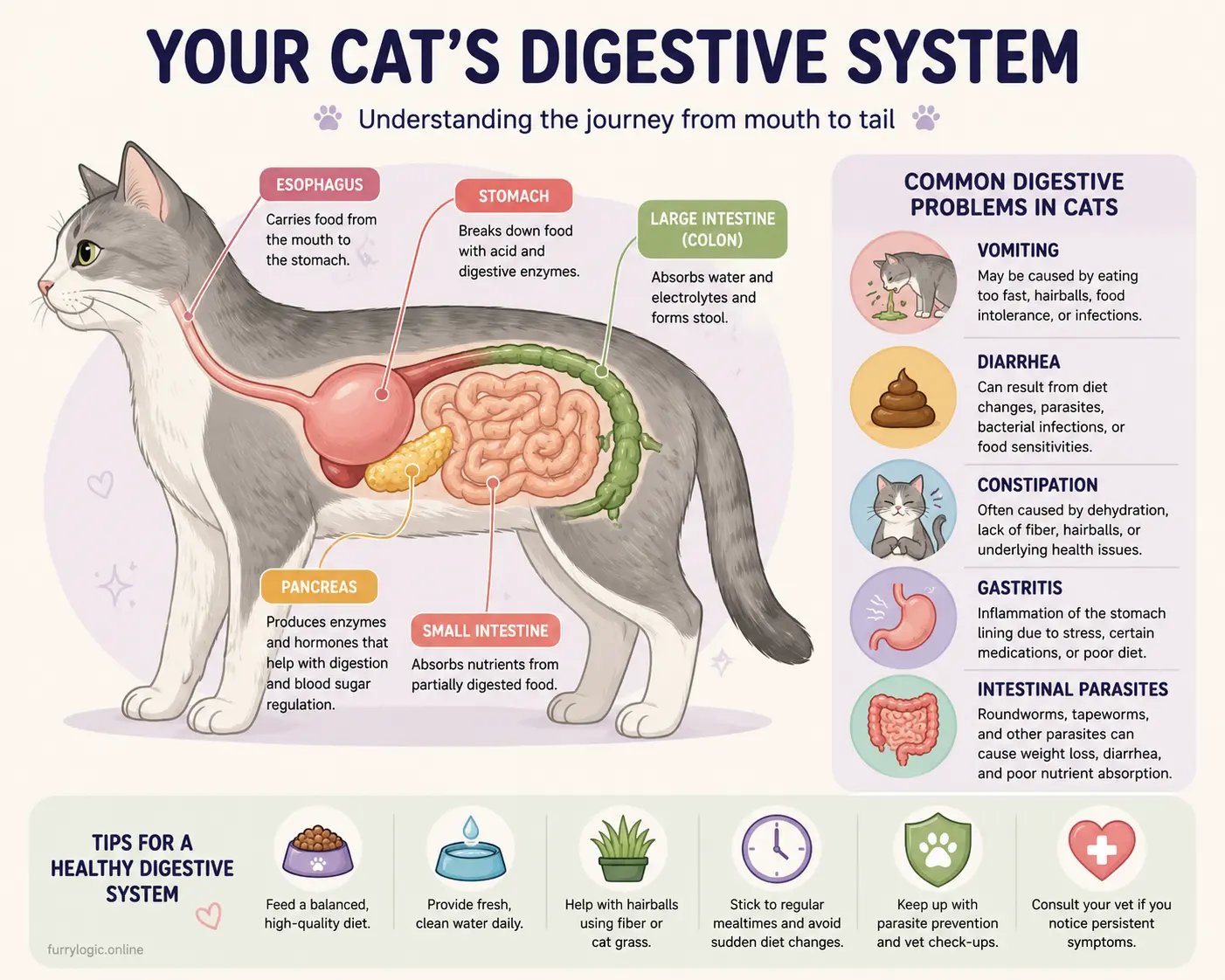
Inflammatory bowel disease, often shortened to IBD, is one of the most common causes of chronic vomiting in cats. This condition occurs when inflammatory cells infiltrate the digestive tract, disrupting normal digestion and absorption.
Cats with IBD may vomit daily, experience diarrhea, lose weight, or become picky eaters. Symptoms often fluctuate, making diagnosis frustrating for owners. One week the cat seems perfectly fine, and the next week vomiting suddenly increases again.
Veterinarians typically diagnose IBD through a combination of bloodwork, imaging, dietary trials, and sometimes biopsies. Treatment often involves special diets, anti-inflammatory medications, probiotics, and vitamin supplementation.
Managing IBD resembles managing a temperamental engine. Small adjustments in fuel, stress, or medication can make the difference between smooth functioning and constant breakdowns. Many cats improve significantly once the correct combination of therapies is found.
Intestinal Blockages and Foreign Objects
Cats are curious creatures, and curiosity occasionally gets them into trouble. Hair ties, string, ribbon, toys, and even pieces of fabric can become lodged in the digestive tract, creating dangerous blockages.
An intestinal obstruction prevents food and fluids from moving normally through the intestines. Vomiting becomes frequent because the body cannot push contents forward. Some cats also stop eating, become lethargic, or hide due to abdominal pain.
String-like objects are especially hazardous because they can bunch the intestines together like an accordion. Surgical removal is often necessary. Delaying treatment increases the risk of intestinal damage or rupture.
Owners may never witness the ingestion itself. Cats are stealthy thieves when it comes to chewing forbidden objects. That is why sudden vomiting combined with appetite loss or pain should always raise suspicion for obstruction.
Parasites and Infections
Parasites are not just a kitten problem. Adult cats can develop vomiting from intestinal worms, bacterial infections, or viral illnesses as well. Outdoor cats face greater exposure risks, but indoor cats are not completely protected.
Roundworms are among the most common parasites associated with vomiting. In some cases, worms may even appear in the vomit itself. Parasites irritate the digestive lining and compete for nutrients, leading to inflammation and gastrointestinal upset.
Infections may trigger acute or chronic vomiting depending on the underlying organism involved. Bacterial infections can inflame the stomach and intestines, while viral illnesses may cause broader systemic symptoms.
Routine parasite prevention, clean litter boxes, and regular veterinary checkups significantly reduce risks. Chronic vomiting should always include consideration of infectious causes during diagnosis.
Pancreatitis and Organ Disease
The pancreas plays a vital role in digestion, producing enzymes that help break down food. When the pancreas becomes inflamed, cats may experience vomiting, abdominal pain, lethargy, and appetite loss.
Pancreatitis can be difficult to diagnose because symptoms are often vague. Some cats simply seem “off” while quietly dealing with significant inflammation. Blood tests and ultrasound imaging are commonly used during evaluation.
Kidney disease, liver disease, and hyperthyroidism also frequently cause chronic vomiting in cats. These conditions affect metabolism, toxin processing, and hydration, all of which influence digestive health.
Think of the body as an interconnected network rather than isolated systems. When organs malfunction, the digestive tract often becomes one of the first places where problems show up visibly.
Food-Related Triggers Worth Considering
Food Allergies and Sensitivities
Food sensitivities are more common in cats than many owners realize. Chronic vomiting may develop after years of eating the same food without issue. Proteins like chicken, beef, dairy, or fish can trigger immune reactions that inflame the digestive tract.
Unlike dramatic allergic reactions in humans, feline food intolerance often appears subtly through vomiting, diarrhea, itchy skin, or overgrooming. Because symptoms overlap with many other conditions, diagnosis usually involves elimination diets.
Veterinarians frequently recommend novel protein diets or hydrolyzed foods during food trials. These specialized diets reduce immune stimulation and allow the digestive system to calm down. Consistency matters tremendously during trials. Even small treats can interfere with results.
Owners sometimes feel skeptical about food changes making such a huge difference. Yet many cats experience remarkable improvement once trigger ingredients are removed. It is similar to finally identifying a hidden ingredient causing constant stomach irritation in humans.
Eating Too Fast
Some cats treat meals like competitive sporting events. They inhale food so quickly that the stomach barely has time to process it. The result can be regurgitation or vomiting shortly afterward.
Fast eating occurs more commonly in rescue cats, multi-cat households, or animals with food insecurity histories. Their brains remain wired to grab food quickly before it disappears.
Simple environmental changes often help tremendously. Slow feeders, puzzle bowls, spreading food across plates, or dividing meals into smaller portions can reduce vomiting episodes. Feeding cats separately also minimizes competition stress.
Although fast eating sounds harmless, repeated regurgitation still irritates the esophagus and stomach. Addressing the behavior early helps protect long-term digestive health.
Sudden Diet Changes
Cats are creatures of habit, especially regarding food. Abrupt diet changes can disrupt the balance of digestive bacteria and trigger vomiting or diarrhea.
Transitioning foods gradually over several days allows the digestive system time to adapt. Mixing increasing amounts of the new food with the old food helps reduce stomach upset.
Some cats react not only to ingredient changes but also to texture, moisture content, or richness. A sudden switch from dry kibble to rich canned food may overwhelm digestion initially.
Owners often unintentionally create problems while trying to improve nutrition quickly. Patience matters. A slow transition usually prevents unnecessary digestive chaos.
Warning Signs That Require Prompt Veterinary Care
Blood, Black Vomit, or Severe Dehydration
Certain vomiting symptoms should never be ignored. Blood in vomit, black tar-like material, severe dehydration, or repeated vomiting multiple times daily may indicate medical emergencies.
Black vomit can represent digested blood from internal bleeding within the gastrointestinal tract. Bright red blood may signal ulcers, severe irritation, or trauma. Either scenario warrants immediate veterinary attention.
Dehydration develops quickly in vomiting cats because fluid loss rapidly exceeds intake. Signs include sunken eyes, dry gums, weakness, and skin that loses elasticity. Cats already dealing with kidney disease or diabetes face especially high risks.
The challenge is that cats often hide severe illness until they can no longer compensate physically. By the time obvious weakness appears, the condition may already be advanced.
Lethargy, Appetite Loss, and Behavioral Changes
A cat vomiting occasionally but otherwise acting normal is concerning enough. Add lethargy, hiding, appetite loss, or behavioral changes, and the urgency increases substantially.
Cats instinctively isolate themselves when sick or painful. Owners may notice their cat sleeping more, avoiding interaction, or retreating to unusual hiding places. Appetite changes are especially significant because cats are prone to dangerous liver complications if they stop eating for extended periods.
Behavioral shifts can sometimes be subtle. A formerly social cat becoming withdrawn may signal discomfort long before dramatic symptoms appear. Monitoring these small changes helps catch disease earlier.
How Veterinarians Investigate Chronic Vomiting
Physical Exams and Medical History
Veterinary diagnosis begins with gathering detailed information about the vomiting pattern. Timing, frequency, appearance of vomit, appetite changes, and environmental factors all provide important clues.
Veterinarians often ask questions owners may not expect. Does the cat go outdoors? Have there been recent diet changes? Is there access to plants, string, or toxins? Are other pets affected? Each answer helps narrow possibilities.
Physical exams assess hydration, abdominal pain, weight loss, intestinal thickening, and organ enlargement. Even subtle abnormalities can guide diagnostic decisions.
Keeping a vomiting diary helps enormously. Recording when episodes occur, what the vomit looks like, and any associated behaviors provides patterns that might otherwise go unnoticed.
Bloodwork, Imaging, and Specialized Tests
Blood tests evaluate organ function, inflammation, thyroid levels, infection markers, and electrolyte balance. Urinalysis and stool testing may reveal parasites or systemic disease.
Imaging such as X-rays or ultrasound helps identify blockages, intestinal thickening, tumors, or organ abnormalities. Ultrasound is particularly useful for examining the structure of the digestive tract.
Some cats require endoscopy or biopsies to diagnose inflammatory bowel disease or intestinal cancer definitively. While these procedures sound intimidating, they often provide the clearest answers when vomiting persists despite initial treatments.
Diagnosis can feel like detective work because vomiting has so many potential causes. The goal is not simply stopping symptoms temporarily but uncovering the underlying reason they exist.
Supporting Recovery Through Daily Management
Feeding Strategies That Help
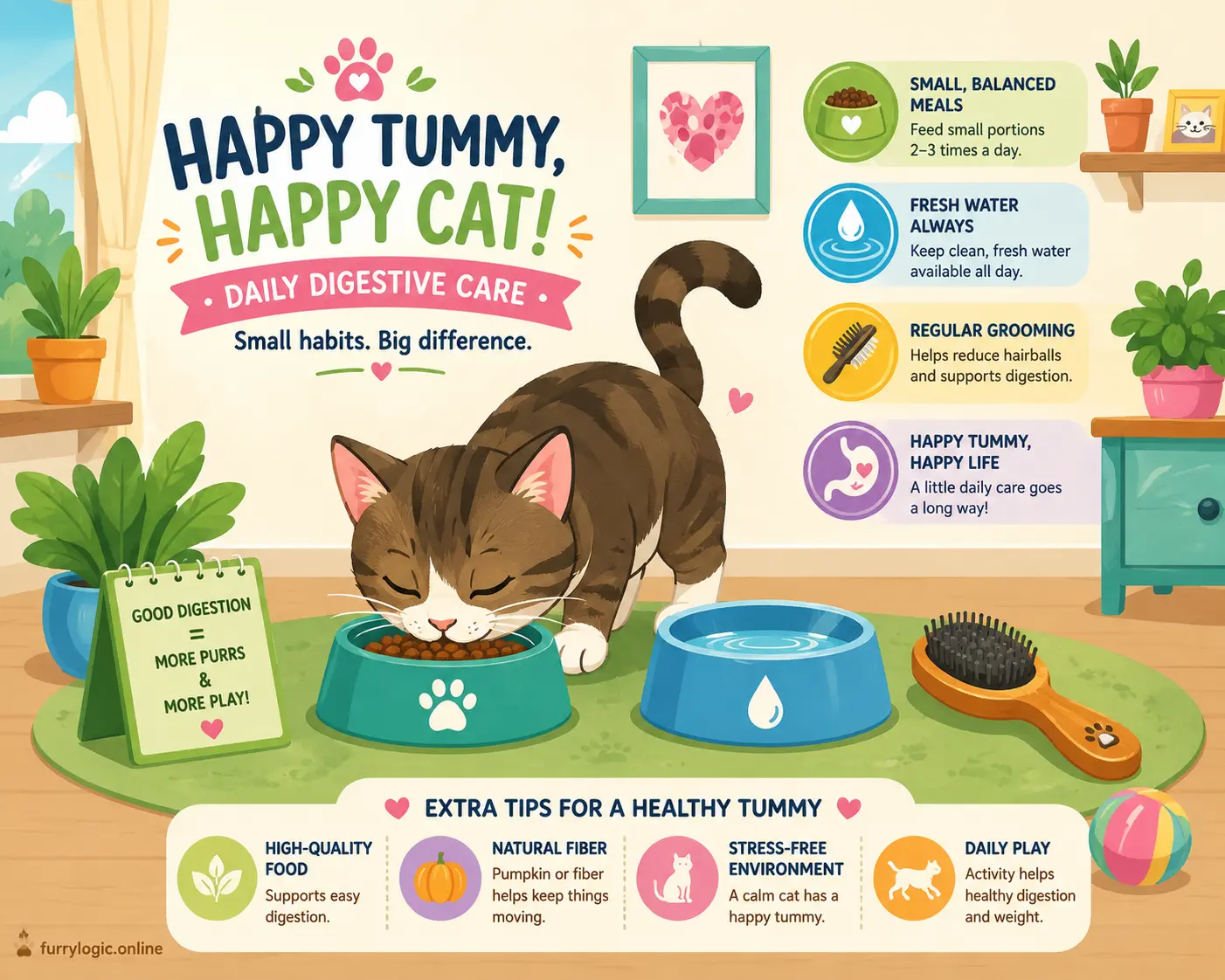
Daily management plays a huge role in controlling chronic vomiting. Small, frequent meals are often easier for sensitive stomachs to handle than large feedings.
Hydration also matters tremendously. Wet food increases moisture intake naturally, helping digestion and reducing dehydration risks. Some cats benefit from elevated bowls or slower feeding methods.
Consistency is key. Cats thrive on predictable routines, and digestive systems appreciate stability. Feeding schedules, portion sizes, and food types should remain steady whenever possible.
Reducing Hairballs and Stress
Brushing removes loose fur before cats can swallow it. Regular grooming becomes especially important for long-haired breeds or heavy shedders.
Stress reduction matters more than many people realize. Environmental enrichment, predictable routines, quiet resting spaces, and interactive play sessions all support emotional well-being. Since stress can aggravate digestive disorders, a calm environment often improves physical symptoms too.
Think of stress like static interference disrupting communication within the body. The calmer the system, the smoother digestion tends to function.
Monitoring Long-Term Health
Chronic vomiting management often requires ongoing monitoring. Weight checks, appetite tracking, and observation of litter box habits provide valuable insight into overall health.
Even after symptoms improve, follow-up care remains important because some diseases fluctuate over time. Conditions like IBD, kidney disease, or hyperthyroidism may require lifelong management rather than permanent cures.
The encouraging reality is that many cats with chronic vomiting live happy, comfortable lives once the underlying cause is identified and properly managed.
Conclusion
Daily vomiting in cats should never be dismissed as normal behavior. While occasional hairballs happen, repeated vomiting usually signals irritation, inflammation, or disease somewhere within the body. The pattern of vomiting, associated symptoms, and overall health changes all help reveal potential causes.
Food sensitivities, inflammatory bowel disease, parasites, organ disease, stress, pancreatitis, and intestinal blockages are among the many conditions linked to chronic vomiting. Some causes are relatively simple to manage, while others require extensive medical investigation and long-term care.
The most important thing cat owners can do is pay attention. Your cat may not be able to explain discomfort verbally, but vomiting is one way the body communicates that something needs attention. Early intervention often leads to better outcomes, lower treatment costs, and improved quality of life.
If your cat has been throwing up every day, trust your instincts and involve your veterinarian. Cleaning up another puddle on the floor may feel frustrating, but it could also be the clue that protects your cat’s long-term health.
FAQs
1. Is it normal for cats to throw up every day?
No. Veterinarians generally consider daily vomiting abnormal. Occasional hairballs may happen, but chronic vomiting often indicates digestive disease, food intolerance, parasites, or systemic illness.
2. What does yellow vomit mean in cats?
Yellow vomit usually contains bile and often occurs when the stomach is empty for too long. While occasional bile vomiting may be mild, repeated episodes can signal digestive irritation or underlying disease.
3. Can cat food cause frequent vomiting?
Yes. Food allergies, sensitivities, abrupt diet changes, or poor-quality ingredients can all trigger chronic vomiting in some cats. Novel protein or hydrolyzed diets are commonly used during food trials.
4. When should I take my vomiting cat to the vet immediately?
Seek prompt veterinary care if vomiting is accompanied by blood, black vomit, severe lethargy, appetite loss, dehydration, abdominal pain, or rapid weight loss.
5. How do vets diagnose chronic vomiting in cats?
Veterinarians typically use physical exams, blood tests, stool analysis, X-rays, ultrasound imaging, dietary trials, and sometimes biopsies or endoscopy to identify the underlying cause.

Dorian Keene is an American content writer and blogger based in Boise, Idaho. At 31 years old, he has spent several years researching and writing practical, well-sourced articles focused on consumer guides, digital trends, and lifestyle topics. His experience working with online publications has helped him develop a clear, trustworthy writing style that prioritizes accuracy and reader value. As a contributor to furrylogic.online, he is committed to creating informative content that reflects careful research, real-world insights, and dependable editorial standards.