
Cats are masters of subtle communication. Unlike dogs, who often wear their emotions openly like bright neon signs, cats tend to whisper their feelings through tiny physical signals. One of the most fascinating examples is tail tapping while lying down. At first glance, it might look random or meaningless. But if you spend enough time around cats, you begin to realize that every flick, twitch, and thump of the tail can tell a story. Sometimes it says, “I’m perfectly content.” Other times it means, “I’m watching something closely,” or even, “Please stop doing that before I lose patience.”
Veterinary behavior experts consistently explain that feline body language is deeply connected to emotional state and environmental awareness. According to recent veterinary-reviewed behavior resources, cats use their tails to communicate mood, alertness, irritation, excitement, and social interest. That means a small tail tap is rarely “just a habit.” It is often part of a broader emotional conversation your cat is having with the world around them.
Think of a cat’s tail like the punctuation mark at the end of a sentence. A gentle tap may act like a period; calm and relaxed. A sharp thump might be an exclamation point. A violent thrash? That is practically a warning siren. The challenge for cat owners is learning how to interpret those movements accurately instead of assuming all wagging means happiness the way it often does in dogs. Once you understand the language, your relationship with your cat becomes much clearer and surprisingly more rewarding.
Cats Communicate More Through Body Language Than Sounds
People often assume cats rely mostly on meowing to communicate, but much of feline communication actually happens silently. Cats use posture, ear position, eye shape, whisker direction, and tail movement as an intricate nonverbal language system. A lying cat with a gently tapping tail may be saying more in five seconds than a human says in a full paragraph.
Research and veterinary observations show that cats evolved to communicate subtly because they are both predators and prey animals. Loud or dramatic communication in the wild could attract danger or scare away prey. That subtlety still exists in domesticated cats today. This is why owners sometimes misunderstand them. Many people miss the early warning signs of irritation because the signals are small and easy to overlook.
A cat lying comfortably beside you may begin tapping the tip of its tail while still purring. That does not automatically mean anger. It could simply mean heightened stimulation or alertness. Cats often experience mixed emotions simultaneously. Imagine enjoying a massage while someone keeps talking loudly nearby. You might still enjoy the massage, but part of you feels distracted. Cats experience similar emotional layering, and their tails frequently reveal it.
Online cat communities and behavior discussions also reinforce this complexity. Many cat owners report that their cats tap their tails during affection, bird watching, or playful anticipation. The key is context. Tail movement alone is only one piece of the puzzle. Reading the entire body creates a far more accurate understanding of your cat’s emotional world.
The Tail as an Emotional Indicator
A cat’s tail functions almost like an emotional antenna. It broadcasts internal feelings externally, often before the cat makes any other move. Veterinarians explain that the speed, force, and direction of movement all matter when interpreting feline tail behavior.
Gentle tapping usually suggests mild emotional stimulation. Your cat may be curious, focused, or lightly engaged with something nearby. Stronger tail thumping often indicates frustration, agitation, or overstimulation. A puffed tail signals fear or defensive aggression. An upright tail with a slight curl typically shows friendliness and confidence. These distinctions matter because they help owners avoid accidental stress triggers.
One fascinating aspect of tail behavior is how quickly it can change. A cat may start with relaxed tapping while enjoying pets, then shift into sharper flicks once overstimulated. Cats have sensitive nervous systems, and repeated touch can sometimes become too intense. That sudden change in tail rhythm is often the earliest clue that the cat needs a break.
Environmental awareness also plays a huge role. Cats are incredibly alert creatures. A faint sound outside, movement near a window, or even another pet walking through the room can trigger subtle tail responses. Some owners mistake this for annoyance when the cat is actually entering “observation mode.” Imagine a radar dish suddenly picking up a signal; that is often what a twitching tail represents.
What Small Tail Taps Usually Mean
Small tail taps while lying down generally fall into three emotional categories: contentment, focus, or mild irritation. The tricky part is determining which one applies in the moment. Cats are nuanced animals, and the same movement can mean different things depending on the surrounding body language and environment.
Veterinary-reviewed sources published in 2025 and 2026 note that light tail tapping commonly appears when cats feel relaxed yet mentally engaged. This explains why many cats tap their tails while lying in sunlight, watching birds through a window, or resting beside their owners. They are physically calm but mentally active.
The movement can also signal anticipation. Some cats tap their tails before pouncing on toys or while monitoring insects. Their hunting instincts activate, even though they remain still. The body may appear relaxed, but internally the cat is calculating movement, timing, and distance. It is almost like a coiled spring hidden beneath a fluffy blanket.
At other times, tail tapping signals emotional overload. A cat being petted may initially enjoy the interaction but gradually become overstimulated. Cats often tolerate stimulation right up until they suddenly decide they have had enough. Tail tapping serves as an early warning system before biting or scratching occurs. Understanding this signal can prevent many accidental scratches and misunderstandings between cats and humans.
Contentment and Relaxation
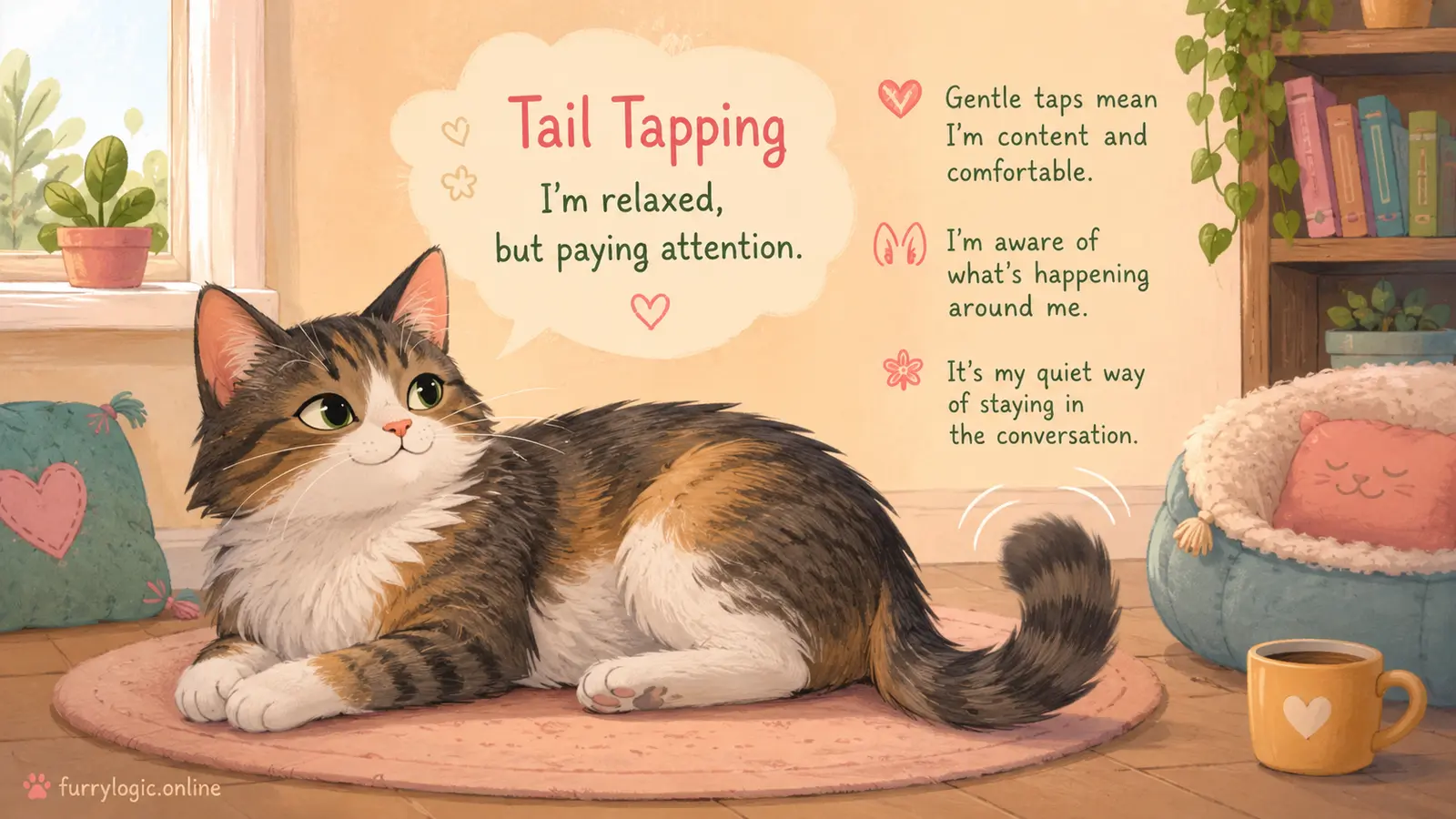
One of the most reassuring reasons for tail tapping is simple happiness. A relaxed cat lying beside you with soft eyes, loose muscles, and slow tail taps is often content. This type of movement tends to look fluid and rhythmic rather than sharp or forceful.
Behavior experts explain that some cats use subtle tail motions almost like humans tapping fingers absentmindedly while relaxing. The cat feels safe enough to rest but remains lightly aware of its surroundings. Since cats are naturally alert animals, complete stillness is actually less common than people think.
You may notice this behavior during quiet evenings when your cat lounges nearby while you read, work, or watch television. The tail moves lazily against the couch cushion, almost in sync with the room’s calm atmosphere. Many owners incorrectly interpret every tail movement as irritation because dogs wag when happy. Cats operate differently. In felines, subtle movement can accompany comfort just as easily as frustration.
Interestingly, many online cat owners describe their cats “replying” with tail taps when spoken to. The cat may remain lying down but acknowledge your presence through gentle tail motion. It is almost the feline equivalent of saying, “Yes, I hear you. I’m comfortable where I am.”
Focus and Hunting Instincts
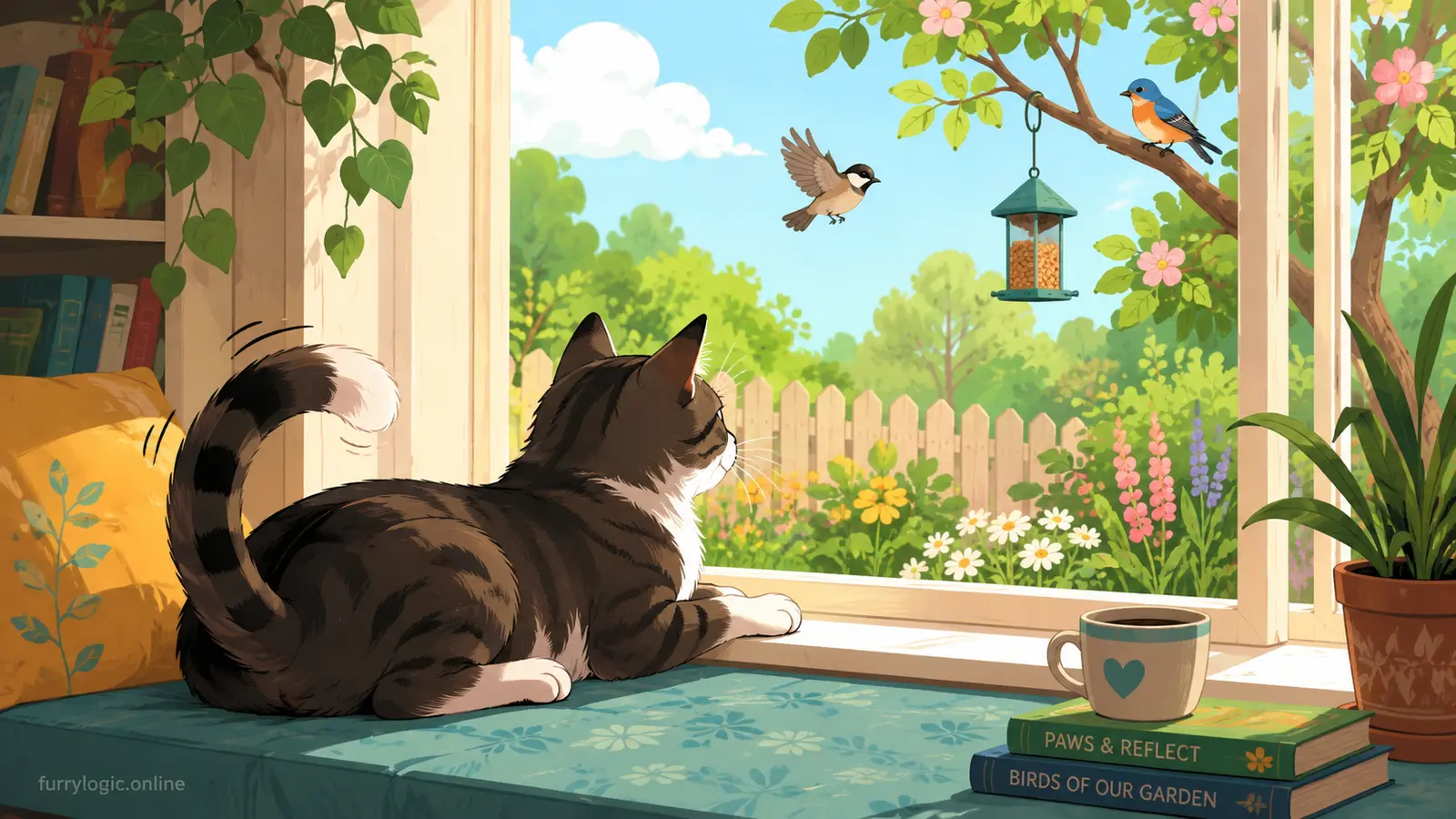
Cats are born hunters, even if they have never spent a single day outdoors. That instinct lives deep within them, and tail tapping often appears when their focus sharpens. A cat watching birds outside the window may seem peaceful, but internally they are intensely stimulated. Their eyes lock onto movement, ears swivel forward, and the tail begins twitching like a metronome.
Veterinary behavior discussions frequently connect tail twitching with concentration and prey observation. This explains why cats often tap their tails during play sessions or while tracking insects. The movement reflects excitement and mental engagement rather than aggression.
Picture an athlete crouched at the starting line before a race. Their muscles may appear still, but tension hums beneath the surface. Cats experience something similar during focused observation. The tail acts almost like an overflow valve for nervous energy.
This focused tapping is usually paired with alert eyes, forward-facing ears, and still body posture. The cat is not irritated. It is mentally “locked in.” Owners who understand this distinction can better recognize when their cat wants interactive play versus when it simply wants quiet observation time.
Mild Irritation or Overstimulation
Not every tail tap is positive. Sometimes it is your cat’s polite warning sign. Cats typically prefer subtle communication before escalating into defensive behavior. Tail tapping is often the first signal that irritation is building.
Overstimulation commonly happens during petting sessions. A cat may genuinely enjoy affection at first, then gradually become overwhelmed by repeated touch. This is especially common along the lower back or tail area, where sensitivity is higher. The tail starts flicking more sharply, ears may rotate sideways, and muscle tension increases.
Experts consistently note that rapid or forceful tail thumping is associated with annoyance or frustration. If ignored, the cat may eventually swat, bite, or leave the area. This is not “bad behavior.” It is communication that humans failed to notice early enough.
The important lesson is that cats often communicate discomfort long before acting aggressively. Tail tapping gives owners a valuable chance to respond respectfully. Stopping petting or reducing stimulation when those signs appear helps build trust instead of conflict.
Differences Between Gentle Tapping and Strong Thrashing
Not all tail movements are equal. Gentle tapping and strong thrashing exist at opposite ends of the emotional spectrum. Learning the difference can dramatically improve your ability to understand your cat’s mood.
| Tail Movement | Common Meaning | Emotional State |
|---|---|---|
| Slow tip twitching | Curiosity or focus | Mild stimulation |
| Gentle rhythmic tapping | Relaxation or contentment | Calm but aware |
| Sharp repeated flicking | Irritation or overstimulation | Annoyed |
| Aggressive tail thrashing | Anger or defensive behavior | Highly agitated |
| Puffed tail movement | Fear or alarm | Threatened |
Veterinary experts emphasize that stronger movements generally indicate stronger emotions. A violently thrashing tail is rarely playful. It usually means the cat wants distance immediately.
Gentle tapping, however, often exists in emotionally neutral or positive territory. The movement is softer, slower, and less dramatic. Context always matters. A relaxed cat sunbathing while tapping its tail gently is very different from a crouched cat slamming its tail against the floor.
Environmental Triggers That Influence Tail Activity
Cats constantly monitor their surroundings. Their senses are remarkably sharp, allowing them to detect sounds, movement, and vibrations humans never notice. Because of this, environmental changes often trigger tail activity even when the cat appears to be resting.
A bird fluttering outside the window, distant footsteps in the hallway, or another pet moving nearby can instantly activate a tail response. The cat’s body may remain still while the tail broadcasts internal alertness. This explains why some cats tap their tails seemingly “for no reason.” The reason simply exists outside human awareness.
Environmental stimulation also affects emotional comfort. Loud homes, unpredictable noises, or crowded spaces may increase anxious tail flicking. Calm, familiar environments tend to produce softer and more relaxed tail movements. Cats thrive on predictability, and their tails often reveal when that sense of safety shifts.
Social interaction plays a role too. Some cats tap their tails when owners speak to them, enter the room, or prepare food. These movements can function almost like acknowledgment signals; small physical responses that indicate awareness and engagement.
Reading Ear, Eye, and Body Signals Together
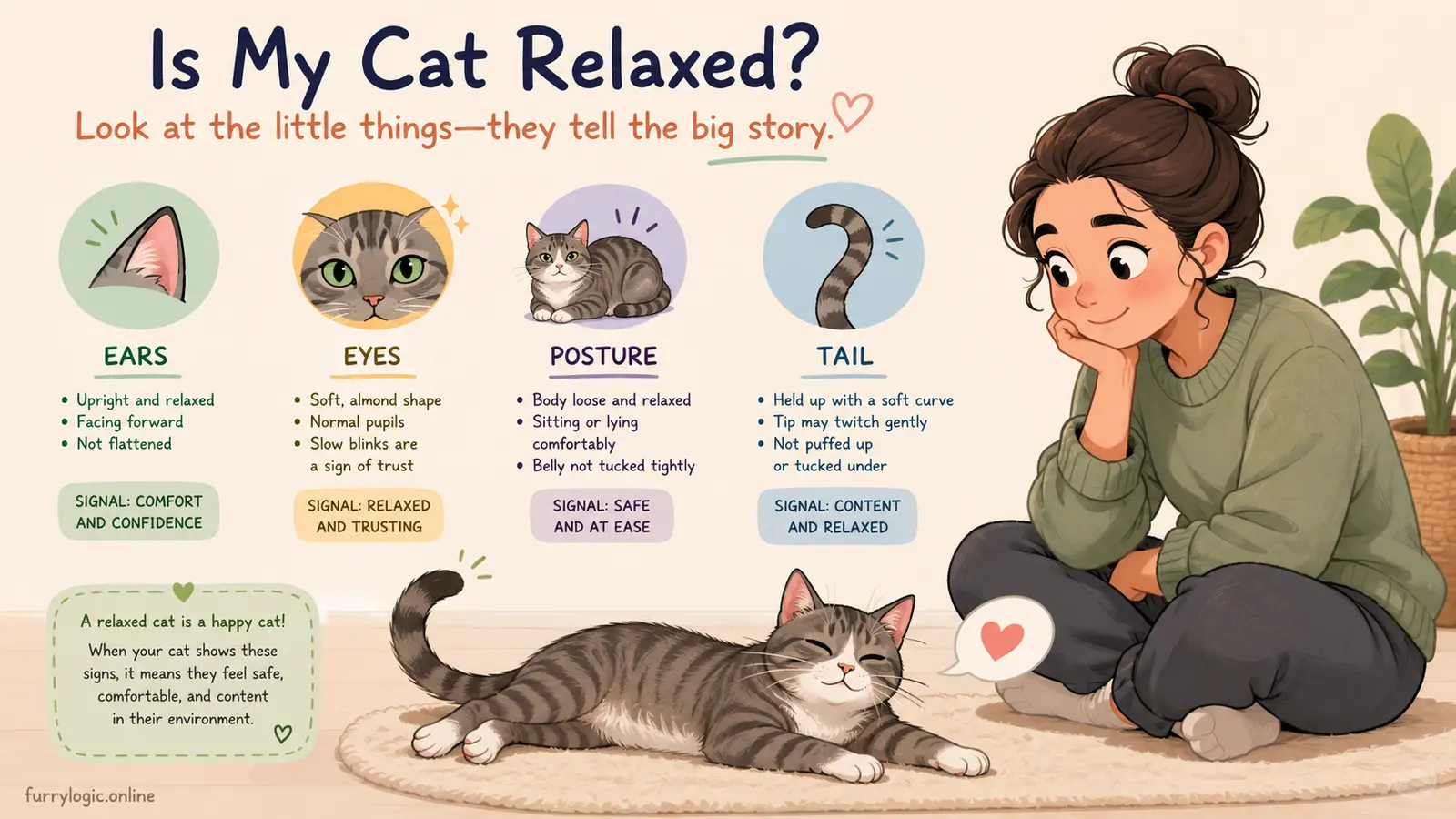
The biggest mistake cat owners make is focusing only on the tail. Tail language works best when interpreted alongside ears, eyes, posture, and overall body tension. Think of feline communication like an orchestra. The tail is only one instrument.
Forward ears usually indicate curiosity or interest. Flattened ears suggest fear, irritation, or defensive aggression. Slow blinking often signals trust and relaxation. Dilated pupils can indicate excitement, fear, or heightened arousal depending on the context.
Body posture matters enormously. A stretched-out cat with loose muscles and a gently moving tail is likely relaxed. A crouched cat with tense shoulders and rapid tail flicking is probably stressed or defensive. These combinations create emotional “sentences” far more accurate than any single signal alone.
Behavior specialists repeatedly encourage owners to assess the full picture instead of isolating one movement. Cats communicate holistically. Once you begin reading the entire body together, their moods become surprisingly transparent.
Common Situations That Trigger Tail Tapping
Certain situations repeatedly trigger tail tapping behavior in cats. One of the most common is petting. Cats often start with relaxed enjoyment, then transition into overstimulation. The tail becomes the first visible sign of emotional change.
Window watching is another major trigger. Cats observing birds, insects, or passing animals frequently twitch or tap their tails in concentration. Hunting instincts activate even without physical movement. Their minds become fully engaged with the “target.”
Light sleep also produces subtle tail movement. Some cats flick their tails when they hear familiar voices or sense nearby activity while resting. This may function as acknowledgment without fully waking up. Online cat owners frequently describe this behavior as their cat’s version of saying, “I know you’re there.”
Play anticipation creates similar reactions. A cat waiting for a toy to move may tap its tail rapidly while remaining physically still. This combination of stillness and motion often confuses owners, but it reflects concentrated excitement rather than contradiction.
Cat Tail Behavior Compared to Dogs
One major source of confusion comes from comparing cats to dogs. Dog tail wagging is commonly associated with happiness and friendliness. Cats do not follow the same rules.
In felines, tail movement usually reflects stimulation rather than simple joy. That stimulation may be positive, negative, or somewhere in between. A wagging dog often invites interaction. A wagging cat may be deciding whether interaction should continue at all.
Veterinary experts specifically warn owners not to interpret feline tail wagging using canine standards. Cats communicate with more nuance and emotional layering. A purring cat with a sharply flicking tail may simultaneously enjoy affection and feel overstimulated.
Understanding this difference prevents countless misunderstandings. Many accidental cat bites happen because humans assume continued interaction is welcome when the tail is actually signaling caution.
When Tail Tapping May Indicate Stress or Pain
Although tail tapping is usually normal, there are situations where it may indicate discomfort or health issues. Persistent agitation combined with hiding, flattened ears, appetite changes, or unusual aggression can suggest stress or pain.
Cats are famously skilled at hiding illness. Subtle body language changes sometimes appear before obvious symptoms develop. Veterinary behavior resources recommend paying attention if tail behavior suddenly changes dramatically or becomes paired with defensive posture and withdrawal.
Pain-related tail movement often looks tense rather than relaxed. The cat may curl its body tightly, avoid touch, or flick its tail sharply when approached. Arthritis, skin irritation, neurological issues, or injury can all influence tail behavior.
If unusual tail activity continues for several days alongside behavioral changes, veterinary evaluation is the safest step. Most tail tapping is harmless communication, but persistent distress signals should never be ignored.
How to Respond to Your Cat’s Tail Signals
The best response to feline tail communication is respect. Cats thrive when humans acknowledge their boundaries instead of pushing past them. If your cat begins flicking its tail sharply during petting, pause and give space. If the tapping looks playful and focused, interactive toys may help channel that energy positively.
Observation is your greatest tool. Spend time watching how your individual cat behaves in different moods and environments. Every cat develops slightly different communication habits. Some are highly expressive with their tails, while others rely more heavily on posture or vocalization.
Building trust with a cat often means learning to listen without words. The tail becomes part of an ongoing conversation. When owners consistently respond appropriately, cats usually become more relaxed, affectionate, and predictable.
Cats may seem mysterious at first, but their body language is surprisingly honest once you learn the vocabulary. Tail tapping is not random. It is a small but meaningful window into your cat’s emotional world.
Conclusion
Cats tap their tails while lying down for many different reasons, and understanding those reasons requires paying attention to the full context. Gentle tapping may signal contentment, curiosity, focus, or quiet acknowledgment. Strong flicking or thrashing often points to irritation, overstimulation, or frustration. The environment, nearby sounds, interactions with humans, and even hunting instincts all influence how a cat moves its tail.
The most important lesson is that feline communication is subtle and layered. A tail movement alone rarely tells the entire story. Ears, eyes, posture, muscle tension, and surroundings all work together to reveal your cat’s emotional state. Once you begin reading those signals together, your cat suddenly becomes much easier to understand.
Instead of seeing tail tapping as strange or confusing, think of it as your cat speaking in its native language. Every flick is information. Every twitch is emotional punctuation. And the better you become at interpreting those signals, the deeper your connection with your cat will grow.
FAQs
1. Why does my cat tap its tail while purring?
A purring cat can still tap its tail because cats experience layered emotions. Your cat may feel relaxed and happy while also becoming slightly overstimulated or alert to something nearby. Context and body language matter more than one signal alone.
2. Is tail tapping always a sign of annoyance?
No. Gentle tail tapping can indicate focus, curiosity, excitement, or relaxation. Strong, forceful tail thumping is more commonly linked to irritation or frustration.
3. Why does my cat flick its tail while watching birds?
This behavior is usually connected to hunting instincts. Cats become highly focused while tracking movement, and the tail reflects that mental stimulation and excitement.
4. Should I stop petting my cat if the tail starts moving?
If the movement becomes sharper or more forceful, it is smart to pause. Cats often use tail flicking as an early warning sign of overstimulation before they swat or bite.
5. Can tail tapping indicate pain or illness?
Sometimes. If tail behavior changes suddenly and appears alongside hiding, aggression, appetite changes, or discomfort, it may indicate stress or pain and should be evaluated by a veterinarian.

Dorian Keene is an American content writer and blogger based in Boise, Idaho. At 31 years old, he has spent several years researching and writing practical, well-sourced articles focused on consumer guides, digital trends, and lifestyle topics. His experience working with online publications has helped him develop a clear, trustworthy writing style that prioritizes accuracy and reader value. As a contributor to furrylogic.online, he is committed to creating informative content that reflects careful research, real-world insights, and dependable editorial standards.