

Keeping backyard chickens has transformed from a rural tradition into a lifestyle choice for millions of families. In recent years, pet chickens have become incredibly popular because people enjoy fresh eggs, sustainable living, and the surprisingly affectionate personalities chickens can have. According to recent reports, millions of households now keep backyard chickens, and many owners consider them part of the family rather than livestock. One of the first questions new chicken keepers ask is simple but important: How long does a pet chicken live?
The answer is not as straightforward as many people expect. Some chickens live only a few years, while others can remain healthy companions for over a decade. On average, most backyard chickens live between 5 and 10 years, although certain heritage breeds may survive 12 years or longer with exceptional care. The lifespan of a chicken depends on genetics, environment, nutrition, stress levels, disease exposure, and even how heavily the bird lays eggs throughout its life.
Think of a chicken’s lifespan like the lifespan of a car. Two identical vehicles can leave the factory on the same day, but one may break down early because of poor maintenance while the other runs smoothly for decades because it receives regular care. Chickens work much the same way. Their longevity is deeply connected to the daily decisions owners make about housing, diet, hygiene, and healthcare.
Understanding what influences chicken longevity helps owners build healthier flocks and stronger emotional connections with their birds. Chickens are intelligent creatures with unique personalities, social hierarchies, and habits. Some will follow owners around the yard like loyal dogs, while others become lap chickens that enjoy human interaction. When cared for properly, these birds can become long-term companions that enrich family life for years.
Understanding the Average Lifespan of Pet Chickens
Typical Lifespan of Backyard Chickens
Most backyard chickens live somewhere between 5 and 10 years, but that range varies dramatically depending on breed and living conditions. Commercial meat birds often survive only a few weeks because they are bred for rapid growth, while commercial egg-laying hens may live just two to four years due to the intense strain constant egg production places on their bodies. Pet chickens, however, usually enjoy much longer lives because owners prioritize welfare over production.
Heritage breeds tend to live the longest. Birds such as Orpingtons, Plymouth Rocks, Australorps, and Sussex chickens are commonly reported to live eight to twelve years or more. Some exceptional cases even exceed fifteen years. Online backyard chicken communities regularly share stories about hens reaching ten, twelve, or even fifteen years old while still remaining active and social.
The difference between commercial chickens and pet chickens is enormous. Production-focused birds are genetically selected to lay hundreds of eggs per year or grow rapidly for meat. That heavy physical demand can shorten lifespan considerably. Backyard pet chickens generally experience lower stress, better nutrition, safer living conditions, and stronger medical attention. They are also more likely to “retire” naturally instead of being culled once egg production declines.
The following table shows how lifespan varies among different chicken categories:
| Chicken Type | Average Lifespan |
|---|---|
| Commercial broilers | 6–9 weeks |
| Commercial laying hens | 1–4 years |
| Backyard pet chickens | 5–10 years |
| Heritage breeds | 8–12+ years |
| Bantam breeds | 10–15 years |
Why Some Chickens Live Much Longer Than Others
Genetics matter, but daily management often matters even more. Chickens living in clean, secure, low-stress environments usually outlive birds exposed to poor nutrition, predators, overcrowding, and disease. Imagine two people with similar genetic backgrounds. One exercises, eats healthy food, sleeps well, and avoids chronic stress. The other survives on junk food and constant exhaustion. The difference in long-term health outcomes becomes obvious. Chickens respond similarly.
Stress is one of the hidden killers in backyard flocks. Chickens constantly threatened by predators, bullied by aggressive flock mates, or exposed to overcrowded housing may experience weakened immune systems. Over time, chronic stress increases vulnerability to disease and injury. Poor sanitation also plays a major role. Damp coops filled with ammonia and bacteria create ideal conditions for respiratory infections and parasites.
Climate can also influence lifespan. Chickens generally tolerate cold weather better than extreme heat. Heat stress can cause dehydration, reduced appetite, and even sudden death during severe summer conditions. Owners who provide shade, airflow, fresh water, and proper ventilation dramatically improve survival rates during hot weather.
Veterinary care is another overlooked factor. Many owners fail to recognize illness until it becomes severe because chickens instinctively hide signs of weakness. Early intervention can make the difference between recovery and death. Regular health inspections, parasite management, and observation of behavioral changes allow problems to be addressed before they spiral into serious conditions.
How Breed Differences Affect Chicken Longevity
Heritage Breeds vs Commercial Hybrids
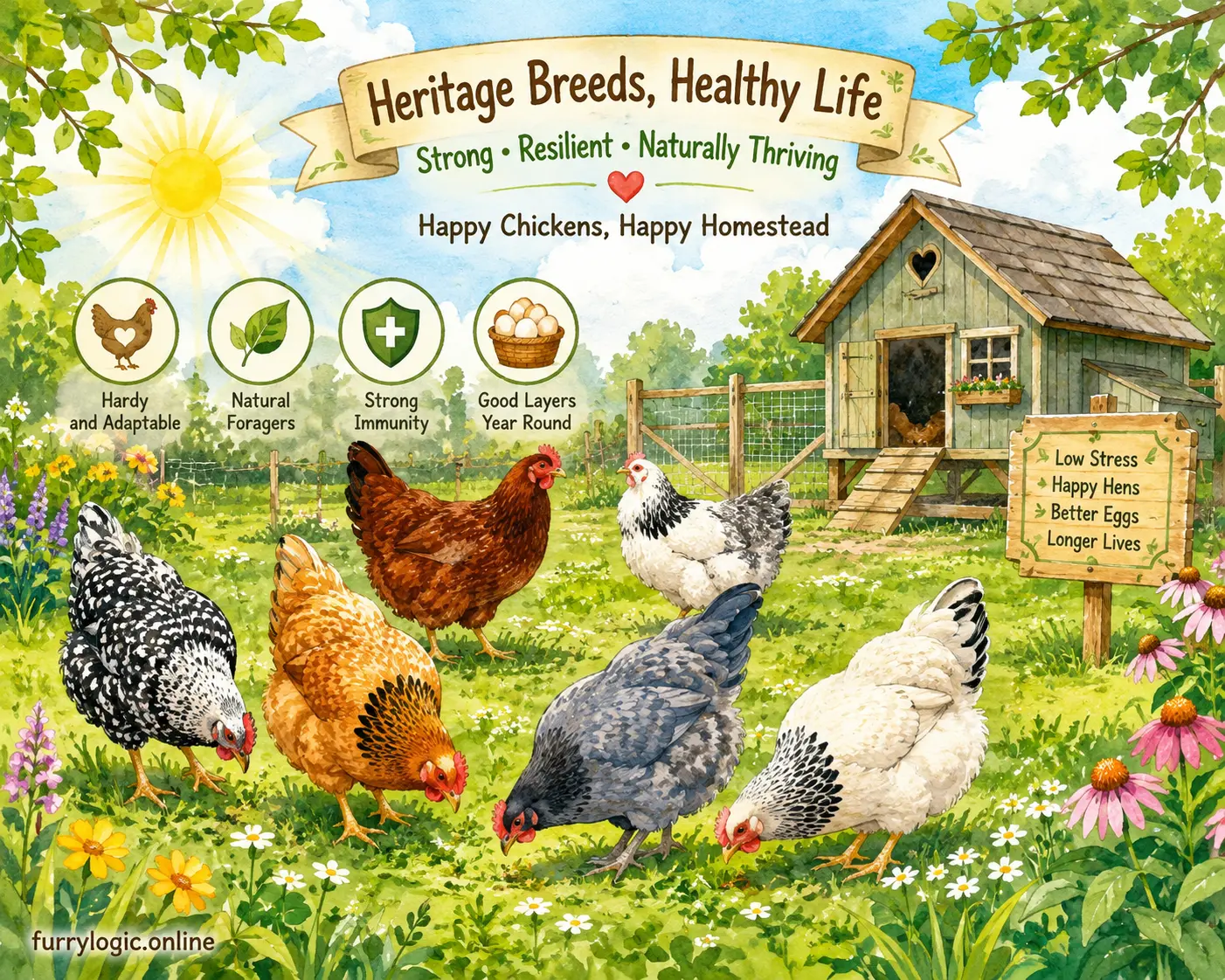
Breed selection may be the single most important factor affecting how long a chicken lives. Heritage breeds are generally healthier and longer-lived than commercial hybrids because they grow and mature at a more natural pace. These breeds were historically developed for resilience, adaptability, and balanced productivity rather than maximum industrial output.
Commercial hybrids such as ISA Browns or Red Sex Links are famous for laying huge numbers of eggs. Some hens can produce over 300 eggs annually. While impressive, this intense reproductive demand puts enormous strain on the hen’s body. Reproductive disorders become increasingly common as these birds age, often shortening lifespan significantly.
Heritage chickens, on the other hand, typically lay fewer eggs but enjoy stronger immune systems and better long-term health. Owners who prioritize companionship and longevity often choose these breeds instead of high-production hybrids. Breeds like Wyandottes, Orpingtons, and Australorps are especially valued for their calm personalities and durability.
Long-Living Chicken Breeds Popular in Backyard Flocks
Some breeds consistently appear in discussions about long-lived backyard chickens. Australorps are particularly admired for longevity and calm behavior. Orpingtons are another favorite because of their gentle temperament and cold-weather tolerance. Plymouth Rocks and Sussex chickens are widely recognized for their adaptability and strong health.
Bantam chickens often live longer than standard-sized birds. Their smaller bodies place less stress on joints and internal organs, which may explain why some bantams reach remarkable ages. Owners in online communities frequently report bantams living beyond ten years.
Here are several breeds commonly associated with long lifespans:
| Breed | Potential Lifespan |
|---|---|
| Orpington | 8–12 years |
| Australorp | 8–12 years |
| Plymouth Rock | 8–10 years |
| Sussex | 8–12 years |
| Wyandotte | 7–12 years |
| Bantam varieties | 10–15 years |
Why High Egg Production Can Reduce Lifespan
Egg production may look harmless, but biologically it is extremely demanding. Every egg requires significant calcium, protein, and energy. High-production hens essentially operate like endurance athletes every single day. Over time, that workload can damage reproductive organs and increase the risk of internal laying, egg binding, ovarian cancer, and egg yolk peritonitis.
This explains why many commercial hybrids experience reproductive decline much earlier than heritage breeds. Owners often notice these hens slowing down dramatically after only a few years. The body simply wears out faster under constant production pressure.
Reducing stress, maintaining proper calcium intake, and monitoring reproductive health can help, but genetics still play a huge role. Owners who want chickens primarily as pets rather than egg machines often choose breeds with moderate laying rates and better overall longevity.
Living Conditions That Support a Longer Life
Importance of a Safe and Clean Coop
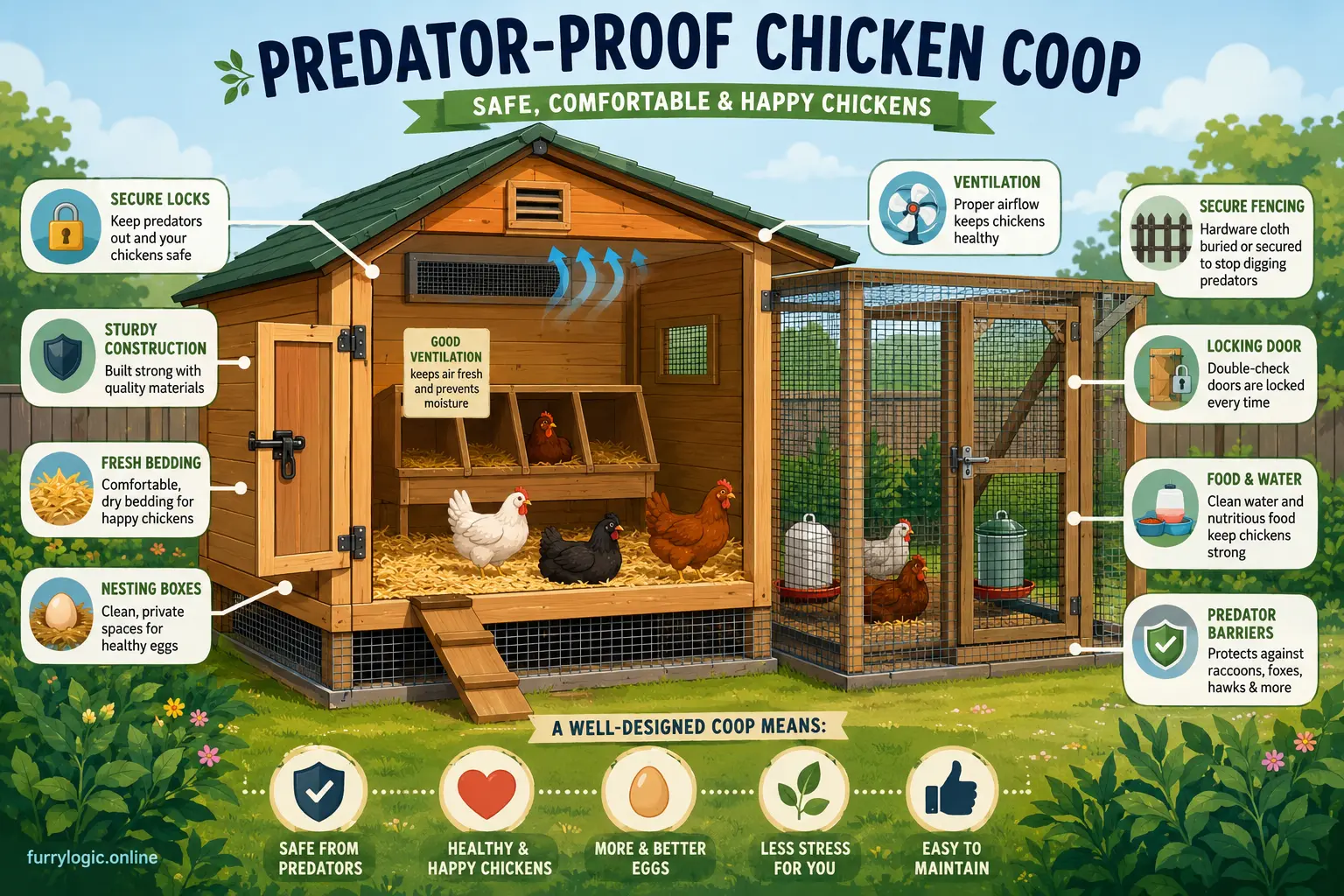
A chicken coop is far more than a sleeping space. It is the center of the flock’s health and security. Dirty coops filled with damp bedding, poor ventilation, and accumulated waste become breeding grounds for bacteria, parasites, and respiratory illness. Chickens forced to live in unsanitary environments often suffer chronic stress and weakened immunity.
Clean bedding helps prevent respiratory disease and foot injuries. Good ventilation reduces ammonia buildup from droppings, protecting delicate lungs. Proper roosts also matter because chickens spend long hours perched overnight. Weak or poorly designed roosts can contribute to foot problems and joint strain in older birds.
Predator-proofing is equally critical. Foxes, raccoons, stray dogs, snakes, and hawks pose constant threats in many areas. Even failed predator attacks can traumatize chickens and create chronic anxiety. Strong fencing, secure locks, buried wire barriers, and covered runs dramatically improve survival rates.
Predator Protection and Stress Reduction
Stress silently chips away at chicken health like rust eating through metal. Chickens exposed to constant fear may stop laying, lose weight, or become vulnerable to disease. Predator protection reduces more than physical attacks; it creates psychological stability for the flock.
Flock bullying can also become a major stress source. Chickens establish pecking orders naturally, but overcrowding intensifies aggression. Birds with injuries or lower status may be denied access to food and water. Owners should monitor flock dynamics carefully and separate aggressive birds if necessary.
Noise, overcrowding, sudden environmental changes, and rough handling can all contribute to stress. Calm daily routines help chickens feel secure. Chickens thrive on predictability. They enjoy consistent feeding schedules, familiar surroundings, and stable social groups.
The Role of Space and Free Ranging
Space is another essential ingredient for longevity. Chickens confined to cramped areas experience higher stress levels, faster disease spread, and increased aggression. Adequate outdoor access allows chickens to forage, scratch, dust bathe, and exercise naturally.
Free-ranging offers physical and mental benefits. Chickens that roam outdoors consume insects, greens, and seeds while staying active throughout the day. Exercise supports healthy weight management and stronger muscles, particularly in aging birds.
Still, free-ranging introduces risks such as predators and disease exposure. Many owners compromise by providing secure outdoor runs with supervised ranging sessions. Balance is important. Chickens need enrichment and movement, but they also need protection.
Nutrition and Daily Care That Matter Most
Essential Nutrients Chickens Need
Nutrition forms the foundation of chicken longevity. A poorly fed chicken may survive, but it rarely thrives. Chickens require balanced diets containing protein, vitamins, minerals, fats, and carbohydrates. Layer feed is specifically formulated to support egg production, while older birds often benefit from adjusted diets that reduce metabolic strain.
Protein supports feather health, muscle maintenance, and tissue repair. Calcium remains especially important for laying hens because eggshell production rapidly drains calcium reserves. Without enough calcium, hens may develop brittle bones and reproductive complications.
Fresh greens and occasional treats can improve enrichment and nutrition, but owners must avoid overfeeding unhealthy scraps. Chickens love treats like bread and pasta, yet excessive carbohydrates contribute to obesity and poor health. Healthy treats such as leafy greens, pumpkin, berries, and mealworms are much better choices.

Hydration, Supplements, and Seasonal Care
Water may be the most overlooked health factor in backyard flocks. Chickens can survive longer without food than without water. Dehydration quickly becomes dangerous, especially during summer heat waves. Fresh, clean water should always remain available.
Supplements can also help older chickens. Electrolytes during hot weather, probiotics after illness, and calcium supplements for laying hens may improve resilience. Owners should avoid overusing supplements unnecessarily, but targeted nutritional support can benefit aging birds.
Seasonal care matters more than many beginners realize. Winter requires protection from frostbite and damp conditions, while summer demands shade and cooling strategies. Chickens cannot sweat, which makes overheating especially dangerous during extreme temperatures.
Daily Habits That Improve Chicken Health
Healthy chickens usually come from healthy routines. Daily observation allows owners to spot problems early. Chickens often hide illness instinctively because weakness attracts predators in nature. Small behavioral changes may signal serious disease before obvious symptoms appear.
Owners should watch for reduced appetite, abnormal droppings, lethargy, limping, labored breathing, or social withdrawal. Quick action can prevent outbreaks and save lives. Routine cleaning, fresh feed, parasite control, and proper biosecurity also reduce disease risk significantly.
Simple habits create massive long-term benefits. Think of chicken care like maintaining a garden. Small consistent actions matter more than occasional dramatic interventions. A clean coop today prevents infections months later.
Common Health Challenges as Chickens Age
Reproductive Disorders in Older Hens
Aging hens frequently experience reproductive complications, especially high-production breeds. Conditions such as egg binding, internal laying, salpingitis, and ovarian cancer become increasingly common after peak laying years.
Owners may notice swollen abdomens, lethargy, waddling, decreased appetite, or unusual posture. These symptoms require immediate attention because reproductive illnesses can progress rapidly. Some hens recover with supportive care, while others decline despite treatment.
Reducing reproductive strain through proper nutrition and careful breed selection helps lower these risks. Heritage breeds generally experience fewer reproductive problems because they lay at more moderate rates.
Parasites, Arthritis, and Mobility Issues
External parasites such as mites and lice drain energy and weaken immune systems. Internal worms may also contribute to weight loss and chronic illness. Older chickens often struggle more with parasite burdens because their immune defenses naturally decline over time.
Arthritis becomes another common issue in senior birds. Large breeds and overweight chickens face especially high risk. Owners may observe stiffness, slower movement, or reluctance to climb roosts. Lower roost bars and softer bedding help aging chickens remain comfortable.
Mobility problems sometimes create secondary complications. Birds unable to move comfortably may struggle to access food and water or escape aggressive flock members. Senior chickens often benefit from special accommodations that reduce physical strain.
Signs Your Chicken Needs Veterinary Attention
Many owners hesitate to seek veterinary care because chickens are traditionally viewed as livestock rather than companion animals. Yet prompt treatment can dramatically extend lifespan and improve quality of life.
Seek veterinary attention if a chicken displays:
- Persistent lethargy
- Difficulty breathing
- Sudden weight loss
- Severe diarrhea
- Swollen abdomen
- Inability to stand
- Repeated egg-laying problems
- Open wounds or bleeding
Avian veterinarians can diagnose infections, prescribe treatments, and help manage chronic conditions. Early care often prevents suffering and reduces the spread of contagious disease within the flock.
Signs of Healthy Aging in Backyard Flocks
Behavioral Changes in Senior Chickens
Healthy aging chickens typically slow down gradually rather than suddenly. Older birds may spend more time resting, dust bathing, or quietly foraging. Some become less interested in laying eggs while remaining socially engaged and alert.
Senior hens often gain wisdom within the flock hierarchy. Younger birds may respect older hens even when they become physically slower. Owners frequently describe elderly chickens as calm, observant, and affectionate.
Aging chickens may also become more dependent on routine. Changes in environment or flock structure can create stress more easily than in younger birds. Stable conditions help older chickens remain comfortable and emotionally secure.
Physical Signs of a Healthy Older Chicken
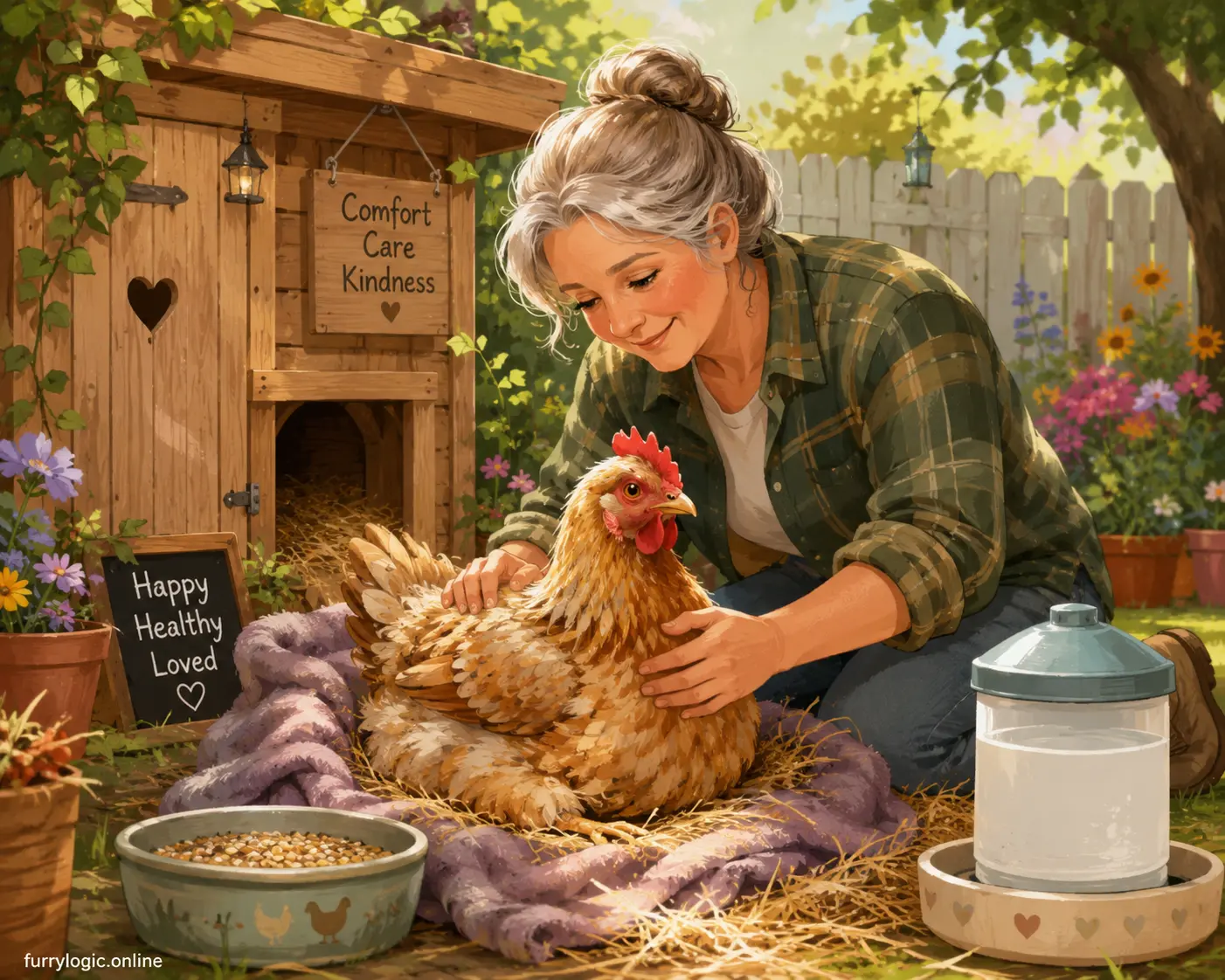
Healthy senior chickens still maintain bright eyes, clean feathers, and normal appetite. Their movements may slow slightly, but they should continue interacting with the flock and showing interest in food and surroundings.
Some physical aging signs are completely normal. Feathers may lose shine, comb color may fade, and egg production usually decreases significantly. Certain birds even develop lighter or grayish feathering with age.
Owners should focus less on productivity and more on quality of life. An older hen that no longer lays eggs can still enjoy many healthy years as a beloved companion animal.
What Can Shorten a Chicken’s Life Expectancy
Poor Nutrition and Overcrowding
Poor diet remains one of the most preventable causes of shortened lifespan. Chickens deprived of balanced nutrition develop weakened immune systems, fragile bones, reproductive issues, and reduced resilience against disease.
Overcrowding compounds these problems by increasing stress and encouraging aggressive behavior. Disease spreads rapidly in cramped conditions, and weaker birds may become isolated from food and water access.
Backyard flocks require adequate square footage both inside the coop and outdoors. Giving chickens enough space reduces stress while supporting natural behaviors like scratching and dust bathing.
Predators, Disease, and Extreme Weather
Predators rank among the leading causes of sudden chicken death. Hawks, foxes, raccoons, dogs, and snakes can wipe out flocks quickly if housing is insecure. Even urban environments contain risks from stray animals.
Disease outbreaks also pose serious threats. Respiratory illnesses, Marek’s disease, parasites, and bacterial infections can devastate flocks if biosecurity measures are weak. New birds should always be quarantined before introduction to existing flocks.
Extreme weather creates another challenge. Heat waves may cause fatal overheating, while damp winter conditions increase frostbite and respiratory illness risk. Owners who adapt housing seasonally greatly improve survival outcomes.
Helping Pet Chickens Thrive for Years
Building Strong Daily Care Routines
Longevity rarely comes from luck alone. Healthy chickens usually reflect consistent, attentive care. Strong routines create predictability, security, and early disease detection.
Daily feeding schedules, regular cleaning, fresh water, and observation build the foundation for long-term flock health. Owners should learn each bird’s personality and habits because subtle behavioral changes often reveal illness first.
Routine health checks also help identify injuries, parasites, or nutritional problems before they become severe. Preventive care saves both money and emotional heartbreak in the long run.
Creating a Stress-Free Environment
A calm environment may be one of the greatest gifts owners can provide. Chickens thrive when they feel safe, stable, and socially secure. Gentle handling, predator protection, and stable flock dynamics reduce chronic stress significantly.
Enrichment matters too. Chickens are intelligent animals that enjoy exploration and stimulation. Dust baths, foraging opportunities, hanging vegetables, and outdoor access all improve mental well-being.
Many owners discover that chickens become deeply rewarding companions over time. Watching hens scratch through leaves, sunbathe in warm dirt, or greet familiar humans creates a peaceful connection that surprises many first-time keepers.
Conclusion
Pet chickens can live surprisingly long lives when given proper care, safe housing, balanced nutrition, and low-stress environments. While the average backyard chicken lifespan falls between five and ten years, many heritage breeds exceed that range and remain active well into old age.
Breed selection plays a massive role in longevity. Commercial hybrids bred for heavy egg production often experience shorter lifespans because their bodies endure constant reproductive stress. Heritage breeds typically live longer and enjoy stronger overall health. Environmental factors such as coop cleanliness, predator protection, hydration, exercise, and veterinary care also shape long-term survival.
Caring for aging chickens means shifting focus away from productivity and toward comfort, health, and companionship. Older hens may stop laying regularly, but they still contribute personality, social stability, and joy to the flock. Chickens are far more intelligent and emotionally engaging than many people expect. With patience and attentive care, these feathered companions can remain cherished family members for many years.
FAQs
1. What is the average lifespan of a backyard pet chicken?
Most backyard pet chickens live between 5 and 10 years, although some heritage breeds can live 12 years or longer with excellent care.
2. Which chicken breeds live the longest?
Heritage breeds such as Orpingtons, Australorps, Wyandottes, Sussex, and Plymouth Rocks are often associated with longer lifespans. Bantam chickens also tend to live especially long lives.
3. Why do commercial egg-laying hens have shorter lifespans?
Commercial laying hens are bred for extremely high egg production, which places significant strain on their reproductive systems. This increases the risk of reproductive disorders and often shortens lifespan.
4. Can chickens live happily after they stop laying eggs?
Yes. Many hens continue living healthy, active lives for years after egg production slows or stops. Older chickens still enjoy social interaction, outdoor activity, and companionship.
5. What is the biggest threat to backyard chicken lifespan?
Predators, poor nutrition, disease, stress, and unsafe housing are among the biggest threats. Proper coop security and consistent care dramatically improve survival rates.

Briggs Hollis is an American blogger and content specialist living in Savannah, Georgia. At 36 years old, he brings years of experience creating informative web content covering technology, home improvement, and consumer resources. His writing combines careful fact-checking with approachable language, making complex information accessible to a broad audience. As part of furrylogic.online, Briggs focuses on producing reliable, experience-driven content that readers can trust.